Genre
musica maranhense
Top Musica maranhense Artists
Showing 12 of 12 artists


About Musica maranhense
Música maranhense is the sonic heart of Maranhão, a Brazilian state whose coastlines meet the Amazon and whose interior carries deep Afro-indigenous rhythms and a long history of cultural exchange. It is a living, evolving umbrella that encompasses chant, dance, storytelling, and ritual, merging African diasporic grooves, Indigenous melodies, and Portuguese-European forms into a distinctive soundscape. The result is intimate, earthy, and marvelously varied, from festive percussion-led processions to reflective, lyric-driven songs.
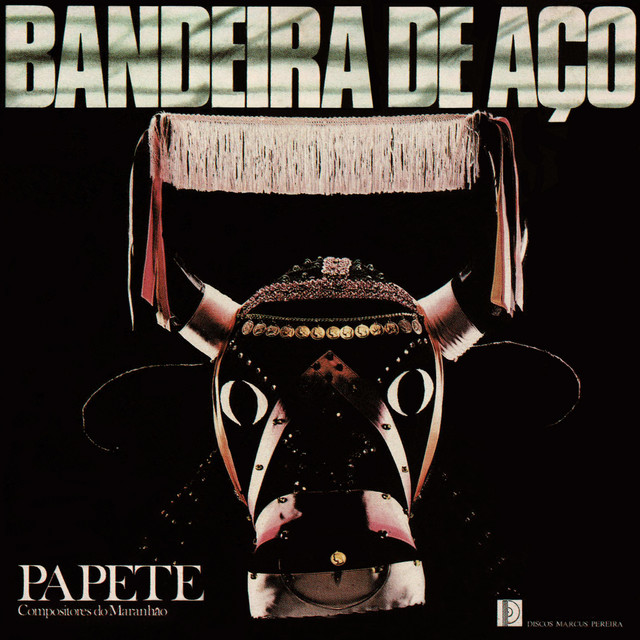
Historically, música maranhense grew from a confluence of communities that fed the region’s songs for centuries. Enslaved Africans carried rhythmic memory and call-and-response patterns into the countryside and urban centers; Indigenous peoples contributed melodic silhouettes and ceremonial cadence; and Portuguese and other European influences provided harmony and form. The most emblematic manifestations crystallized in the 18th through 20th centuries, with key traditional practices shaping both repertoire and performance style. Among these, the Bumba-Meu-Boi (Bumba Meu Boi) festival stands out as a central ritual-kinetic phenomenon: a cyclical carnival of color, storytelling, and drum-driven music that animates São Luís and inland towns alike. Alongside Bumba-Meu-Boi, toadas, lunduns, and coco rhythms gave voice to everyday life, love, humor, and social memory.
The repertoire of música maranhense is anchored by several cross-cutting forms. Toada songs are narrative and often intimate, delivered with guitar, tambourine, and gentle percussion; they reveal the region’s poetic storytelling and regional slang. Coco de baixo or coco rhythms (a lively, call-and-response percussive practice) bring dancers and drums together in a communal pulse that travels from rural piaçaba trails to urban stages. The lundu, with its Afro-Brazilian lineage, contributes syncopated lines and sensibilities that join older maranhense traditions with contemporary sensibilities. Tambor de crioula, a powerful drumming tradition associated with female-led circles in many communities, offers one of the most emblematic sonic textures of Maranhão—pulses that feel ancient and alive at once.
In contemporary times, música maranhense has gained visibility not only in Brazil but also among world-music audiences curious about regional Brazilian styles. The genre thrives in Maranhão’s capital, São Luís, and nearby towns, where festivals, radio programs, and small-venue concerts keep the tradition vibrant. It also enjoys a presence in diasporic circuits—especially in Portugal and various parts of Europe and North America—where world-music programmers and Brazilian music fans seek the distinctive combination of ritual percussion, lyrical storytelling, and genre-blending that the Maranhão sound offers. Modern ambassadors blend tradition with contemporary sensibility: Alcione, the legendary vocalist born in São Luís and known for her soulful, polished phrasing; and Zeca Baleiro, a songwriter-singer who situates MPB and folk-rock within the Maranhão idiom, expanding its reach without muting its roots.
For music enthusiasts, música maranhense offers a treasure: roots that feel personal and universal at once, and a repertoire that invites both deep listening and communal participation. It is a genre defined by rhythm as much as by memory—a sonic passport to a land where the drum speaks, the voice remembers, and the festival breathes life into everyday existence.
Historically, música maranhense grew from a confluence of communities that fed the region’s songs for centuries. Enslaved Africans carried rhythmic memory and call-and-response patterns into the countryside and urban centers; Indigenous peoples contributed melodic silhouettes and ceremonial cadence; and Portuguese and other European influences provided harmony and form. The most emblematic manifestations crystallized in the 18th through 20th centuries, with key traditional practices shaping both repertoire and performance style. Among these, the Bumba-Meu-Boi (Bumba Meu Boi) festival stands out as a central ritual-kinetic phenomenon: a cyclical carnival of color, storytelling, and drum-driven music that animates São Luís and inland towns alike. Alongside Bumba-Meu-Boi, toadas, lunduns, and coco rhythms gave voice to everyday life, love, humor, and social memory.
The repertoire of música maranhense is anchored by several cross-cutting forms. Toada songs are narrative and often intimate, delivered with guitar, tambourine, and gentle percussion; they reveal the region’s poetic storytelling and regional slang. Coco de baixo or coco rhythms (a lively, call-and-response percussive practice) bring dancers and drums together in a communal pulse that travels from rural piaçaba trails to urban stages. The lundu, with its Afro-Brazilian lineage, contributes syncopated lines and sensibilities that join older maranhense traditions with contemporary sensibilities. Tambor de crioula, a powerful drumming tradition associated with female-led circles in many communities, offers one of the most emblematic sonic textures of Maranhão—pulses that feel ancient and alive at once.
In contemporary times, música maranhense has gained visibility not only in Brazil but also among world-music audiences curious about regional Brazilian styles. The genre thrives in Maranhão’s capital, São Luís, and nearby towns, where festivals, radio programs, and small-venue concerts keep the tradition vibrant. It also enjoys a presence in diasporic circuits—especially in Portugal and various parts of Europe and North America—where world-music programmers and Brazilian music fans seek the distinctive combination of ritual percussion, lyrical storytelling, and genre-blending that the Maranhão sound offers. Modern ambassadors blend tradition with contemporary sensibility: Alcione, the legendary vocalist born in São Luís and known for her soulful, polished phrasing; and Zeca Baleiro, a songwriter-singer who situates MPB and folk-rock within the Maranhão idiom, expanding its reach without muting its roots.
For music enthusiasts, música maranhense offers a treasure: roots that feel personal and universal at once, and a repertoire that invites both deep listening and communal participation. It is a genre defined by rhythm as much as by memory—a sonic passport to a land where the drum speaks, the voice remembers, and the festival breathes life into everyday existence.