Genre
musica oaxaquena
Top Musica oaxaquena Artists
Showing 18 of 18 artists




About Musica oaxaquena
Musica oaxaqueña is not a single, isolated genre, but an umbrella for the rich and diverse soundscape of Oaxaca, a Mexican state where Indigenous, mestizo, and European influences mingle in everyday life and ritual. It is a living music that travels from highland villages to bustling city stages, and it expanding with new voices while keeping traditional roots intact. For the enthusiast, it offers a panorama of forms, instruments, languages, and moods.
Origins trace to Oaxaca’s deep Indigenous traditions—particularly Zapotec and Mixtec communities—coupled with Spanish colonial and later European musical influences. Over centuries, local musicians absorbed melodies and dances brought from abroad, then fused them with regional chants, rhythms, and languages. A central cultural pillar is the Guelaguetza festival, a yearly showcase that has long kept regional repertoires vibrant, from ceremonial dances to concert performances. This context helps explain why musica oaxaqueña often shifts between intimate, polyphonic vocal pieces and rousing, dance-ready ensembles.
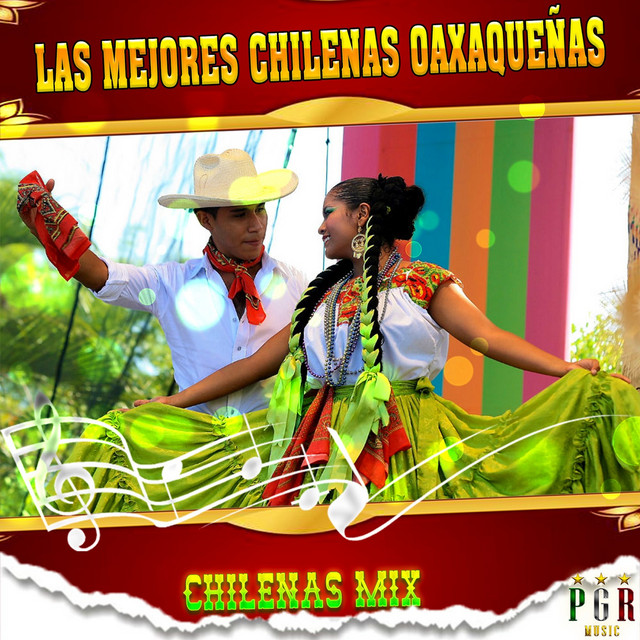
In sound, you will hear a remarkable blend of instruments and textures. Violin, guitar, and sometimes harp or charango mingle with the marimba, a hallmark of many coastal and village ensembles. The repertoire spans both sacred and secular worlds: jarabes (traditional regional dances), danzas, polkas, walsas, and the chilena (a dance-and-song form with roots in 19th-century cross-cultural exchange). The modal, often pentatonic lines of Indigenous singing sit beside the more European-formed waltzes and polkas, creating a sonic conversation across generations. Vocals may alternate between solo storytelling and robust, multipart choral sections, sometimes performed in Indigenous languages alongside Spanish.
Over the past decades, musica oaxaqueña has also embraced fusion, experimentation, and global circuits. Contemporary groups and soloists mingle rock, jazz, and world-music sensibilities with traditional melodies, drawing new audiences without erasing the music’s regional identity. The result is a genre that can feel ceremonial and intimate in one breath and electric and adventurous in the next.
Key ambassadors and recognizable voices help place Oaxaca on the world map. Lila Downs, born in Tlaxiaco, is one of the most visible faces of Oaxacan music abroad, renowned for weaving Indigenous roots, ranchera, and folk into modern songs with a strong sense of place. Susana Harp, a respected singer from Oaxaca City, has also helped bring the state’s musical traditions to a wider audience through concerts, collaborations, and cultural advocacy. Alongside these names are countless regional artists and ensembles whose work sustains the music at the grassroots level—communities where the music remains inseparable from celebration, ritual, and daily life.
Where is it popular? First and foremost in Mexico, especially within Oaxaca’s own communities and in urban centers where cultural festivals and concerts travel. The diaspora—notably in the United States (California, Texas, the Northeast), and parts of Central America and Europe—has kept the tradition alive in clubs, festivals, and academic settings, where listeners discover its warmth and resilience.
For music lovers, exploring musica oaxaqueña is an invitation to a living tradition: a sound that honors the past while pushing toward new artistic horizons. It rewards attentive listening, generous rhythms, and, above all, a sense of place—Oaxaca as heard through song.
Origins trace to Oaxaca’s deep Indigenous traditions—particularly Zapotec and Mixtec communities—coupled with Spanish colonial and later European musical influences. Over centuries, local musicians absorbed melodies and dances brought from abroad, then fused them with regional chants, rhythms, and languages. A central cultural pillar is the Guelaguetza festival, a yearly showcase that has long kept regional repertoires vibrant, from ceremonial dances to concert performances. This context helps explain why musica oaxaqueña often shifts between intimate, polyphonic vocal pieces and rousing, dance-ready ensembles.
In sound, you will hear a remarkable blend of instruments and textures. Violin, guitar, and sometimes harp or charango mingle with the marimba, a hallmark of many coastal and village ensembles. The repertoire spans both sacred and secular worlds: jarabes (traditional regional dances), danzas, polkas, walsas, and the chilena (a dance-and-song form with roots in 19th-century cross-cultural exchange). The modal, often pentatonic lines of Indigenous singing sit beside the more European-formed waltzes and polkas, creating a sonic conversation across generations. Vocals may alternate between solo storytelling and robust, multipart choral sections, sometimes performed in Indigenous languages alongside Spanish.
Over the past decades, musica oaxaqueña has also embraced fusion, experimentation, and global circuits. Contemporary groups and soloists mingle rock, jazz, and world-music sensibilities with traditional melodies, drawing new audiences without erasing the music’s regional identity. The result is a genre that can feel ceremonial and intimate in one breath and electric and adventurous in the next.
Key ambassadors and recognizable voices help place Oaxaca on the world map. Lila Downs, born in Tlaxiaco, is one of the most visible faces of Oaxacan music abroad, renowned for weaving Indigenous roots, ranchera, and folk into modern songs with a strong sense of place. Susana Harp, a respected singer from Oaxaca City, has also helped bring the state’s musical traditions to a wider audience through concerts, collaborations, and cultural advocacy. Alongside these names are countless regional artists and ensembles whose work sustains the music at the grassroots level—communities where the music remains inseparable from celebration, ritual, and daily life.
Where is it popular? First and foremost in Mexico, especially within Oaxaca’s own communities and in urban centers where cultural festivals and concerts travel. The diaspora—notably in the United States (California, Texas, the Northeast), and parts of Central America and Europe—has kept the tradition alive in clubs, festivals, and academic settings, where listeners discover its warmth and resilience.
For music lovers, exploring musica oaxaqueña is an invitation to a living tradition: a sound that honors the past while pushing toward new artistic horizons. It rewards attentive listening, generous rhythms, and, above all, a sense of place—Oaxaca as heard through song.