Genre
musica purepecha
Top Musica purepecha Artists
Showing 25 of 45 artists




About Musica purepecha
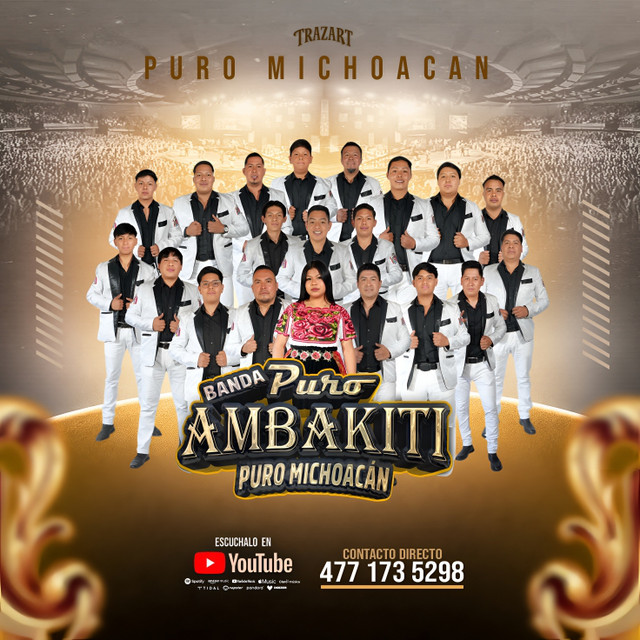
Musica Purépecha is a living soundscape from Michoacán, Mexico, carried by the Purépecha people (also known as Tarascan). It is not a single style, but a family of practices and repertoires tied to community life, ritual, and fiesta. Deeply rooted in centuries of history, Purépecha music reflects a reverence for memory, place, and communal gathering, while continually absorbing new influences through performers who keep the tradition relevant for contemporary listeners.
Historically, Purépecha culture predates the Spanish conquest, and its music evolved through centuries of ritual, dance, and social ceremony. By the colonial and post-colonial periods, Purépecha communities organized ensembles around dancing and processions, with performances that mark important life events—agricultural cycles, weddings, and religious festivities. A hallmark of many Purépecha performances is the dance-led moment when music and movement fuse on a tarima, a raised wooden platform whose rhythm is created by percussive elements. The tonal vocabulary often relies on a call-and-response vocal style, melodically supported by a mix of stringed instruments, wind instruments, and percussion. The result is music that feels both ceremonial and communal, with songs that tell stories of land, kinship, and memory.
Sonically, musica purépecha embraces a robust rhythmic core. The tarima and other wooden percussion provide pulse and drive, while melodic lines weave through vocal harmonies and instrumental textures. In traditional ensembles, you may hear violins, guitars, and occasionally wind instruments or flutes anchoring the texture, with voices that carry the narrative of the lyrics. The repertoire includes danzas and ritual songs performed during fiestas, as well as celebratory tunes that invite dancers to move with a distinctive Purépecha gait and cadence. The aesthetic often balances ornamented melodic figures with straightforward, emotionally direct singing, inviting listeners into a shared emotional space.
In the contemporary scene, Purépecha music has found new life through fusion and cross-cultural collaboration. Some artists and groups blend Purépecha motifs with other Mexican genres—rock, pop, norteño, or electronic textures—creating hybrid sounds that resonate with younger audiences while preserving core melodies and rhythms. This fusion is not a break with tradition but an expansion of it, enabling Purépecha music to travel beyond Michoacán and into festivals, cultural centers, and world-music programs around the globe. Ambassadors of the genre—whether traditional musicians who carry the repertoire to communities far from home, or contemporary performers who experiment with form—play a crucial role in keeping the music vibrant and accessible.
Geographically, musica purépecha is most strongly rooted in Mexico, particularly in Michoacán and surrounding Purépecha-speaking communities. It also thrives in the Mexican diaspora in the United States, where cultural centers, schools, and festivals present Purépecha performances and help keep the tradition alive for younger generations. Beyond North America, Purépecha cultural events occasionally surface in Europe and Spain, where interest in indigenous music and Mexican folk traditions fosters appreciation and collaboration.
For enthusiasts, exploring musica purépecha offers a gateway to a sound that is at once ancient and modern: ceremonial, communal, and continuously renewed. Listening deeply—to the rhythms of the tarima, the warmth of the vocals, and the stories carried in the melodies—reveals a genre that is less about a fixed genre label and more about a living tradition in motion. If you’d like, I can include specific contemporary artists or ensembles that exemplify the current Purépecha sound.
Historically, Purépecha culture predates the Spanish conquest, and its music evolved through centuries of ritual, dance, and social ceremony. By the colonial and post-colonial periods, Purépecha communities organized ensembles around dancing and processions, with performances that mark important life events—agricultural cycles, weddings, and religious festivities. A hallmark of many Purépecha performances is the dance-led moment when music and movement fuse on a tarima, a raised wooden platform whose rhythm is created by percussive elements. The tonal vocabulary often relies on a call-and-response vocal style, melodically supported by a mix of stringed instruments, wind instruments, and percussion. The result is music that feels both ceremonial and communal, with songs that tell stories of land, kinship, and memory.
Sonically, musica purépecha embraces a robust rhythmic core. The tarima and other wooden percussion provide pulse and drive, while melodic lines weave through vocal harmonies and instrumental textures. In traditional ensembles, you may hear violins, guitars, and occasionally wind instruments or flutes anchoring the texture, with voices that carry the narrative of the lyrics. The repertoire includes danzas and ritual songs performed during fiestas, as well as celebratory tunes that invite dancers to move with a distinctive Purépecha gait and cadence. The aesthetic often balances ornamented melodic figures with straightforward, emotionally direct singing, inviting listeners into a shared emotional space.
In the contemporary scene, Purépecha music has found new life through fusion and cross-cultural collaboration. Some artists and groups blend Purépecha motifs with other Mexican genres—rock, pop, norteño, or electronic textures—creating hybrid sounds that resonate with younger audiences while preserving core melodies and rhythms. This fusion is not a break with tradition but an expansion of it, enabling Purépecha music to travel beyond Michoacán and into festivals, cultural centers, and world-music programs around the globe. Ambassadors of the genre—whether traditional musicians who carry the repertoire to communities far from home, or contemporary performers who experiment with form—play a crucial role in keeping the music vibrant and accessible.
Geographically, musica purépecha is most strongly rooted in Mexico, particularly in Michoacán and surrounding Purépecha-speaking communities. It also thrives in the Mexican diaspora in the United States, where cultural centers, schools, and festivals present Purépecha performances and help keep the tradition alive for younger generations. Beyond North America, Purépecha cultural events occasionally surface in Europe and Spain, where interest in indigenous music and Mexican folk traditions fosters appreciation and collaboration.
For enthusiasts, exploring musica purépecha offers a gateway to a sound that is at once ancient and modern: ceremonial, communal, and continuously renewed. Listening deeply—to the rhythms of the tarima, the warmth of the vocals, and the stories carried in the melodies—reveals a genre that is less about a fixed genre label and more about a living tradition in motion. If you’d like, I can include specific contemporary artists or ensembles that exemplify the current Purépecha sound.