Genre
musica sarda
Top Musica sarda Artists
Showing 25 of 41 artists






About Musica sarda
Musica sarda is not a single style but a living family of sounds drawn from Sardinia’s rugged hills, coastal towns, and centuries of rural life. It exists at the crossroads of ancient ritual, shepherds’ songs, language, and communal singing, and it continues to evolve while staying rooted in the island’s identity. For enthusiasts, it offers a rare glimpse into a vocal tradition that has survived centuries of change, yet remains intensely present in everyday life and on festival stages today.
A pillar of musica sarda is canto a tenore, a remarkable polyphonic singing tradition that Sardinians still practice in many villages, especially in the central Highlands and around Nuoro. Typically performed a cappella, it features four voices weaving a deep, resonant texture full of drone and call-and-response interactions. The timbres—grounded, wailing, and soaring—convey a sense of place as if the landscape itself were singing. Canto a tenore is so distinctive and meaningful that UNESCO inscribed it on the Representative List of the Intangible Cultural Heritage of Humanity in 2005, signaling its importance not only to Sardinia but to the world’s musical imagination. In concert or recording, the effect is immediate: a ritual warmth, a sense of community, and a sound that feels both ancient and alive.
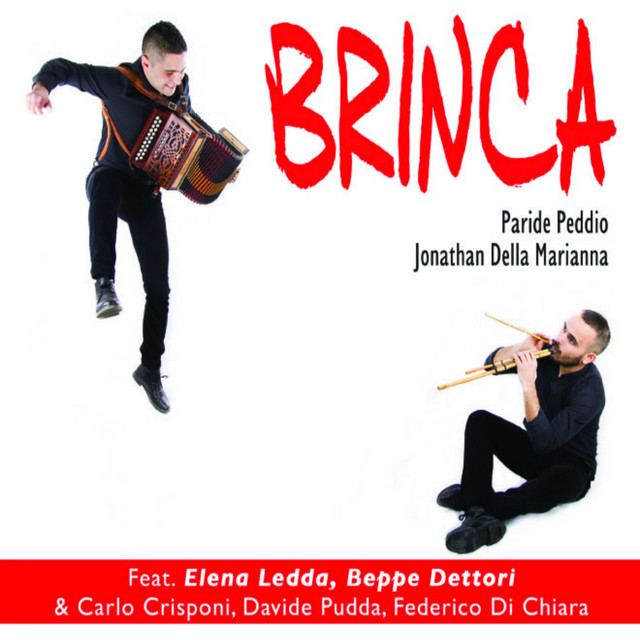
Another cornerstone of musica sarda is the launeddas, a traditional triple-pipe woodwind that has accompanied Sardinian music for generations. Played by blowing into the pipes and expertly fingered to produce intricate melodies, the launeddas carries a bright, piercing color that can cut through a chorus or echo softly in a solo line. The instrument’s adaptable voice—at once ancient and unmistakably Sardinian—has helped shape the island’s soundscape, from festive dances to meditative ballads.
Lyrically, the tradition is closely tied to the Sardinian language, with songs often sung in Logudorese or Campidanese dialects. Lyrics range from epic and heroic to pastoral and intimate, making the repertoire a repository of local stories, landscapes, and memories. The social setting for many pieces—weddings, harvests, religious processions, and village gatherings—gives the music a communal purpose that is as important as the melodies themselves.
Musica sarda has not remained a purely traditional art; it has found ambassadors and champions in both historical and contemporary voices. Among the most enduring symbols is Tenores di Bitti “Mialinu Pira,” one of the best-known ensembles that embodies the tenore tradition and has helped bring it to wider audiences. In the broader popular music history of Sardinia, figures and groups such as Andrea Parodi (with Tazenda) have bridged Sardinian genres with Italian pop and rock, helping to introduce the island’s language and sound to new listeners without diluting its essence. In the modern world, a growing cadre of ensembles and soloists continues to explore and expand the repertoire, blending traditional timbres with contemporary textures while preserving the core communal aspect of the performance.
Where is it most popular? Primarily in Sardinia and Italy, where the traditions remain central to cultural life. Outside Italy, hospitality for world-music audiences and diaspora communities in Europe and beyond has helped spread curiosity about the genre, with festivals, collaborations, and academic interest introducing the sound to curious listeners worldwide.
For music lovers, musica sarda offers a rare combination: music that feels timeless and immediate, rooted in place yet open to new dialogues. It invites listening not only for its beauty but for its sense of belonging—an audible invitation to share Sardinia’s past and present through song.
A pillar of musica sarda is canto a tenore, a remarkable polyphonic singing tradition that Sardinians still practice in many villages, especially in the central Highlands and around Nuoro. Typically performed a cappella, it features four voices weaving a deep, resonant texture full of drone and call-and-response interactions. The timbres—grounded, wailing, and soaring—convey a sense of place as if the landscape itself were singing. Canto a tenore is so distinctive and meaningful that UNESCO inscribed it on the Representative List of the Intangible Cultural Heritage of Humanity in 2005, signaling its importance not only to Sardinia but to the world’s musical imagination. In concert or recording, the effect is immediate: a ritual warmth, a sense of community, and a sound that feels both ancient and alive.
Another cornerstone of musica sarda is the launeddas, a traditional triple-pipe woodwind that has accompanied Sardinian music for generations. Played by blowing into the pipes and expertly fingered to produce intricate melodies, the launeddas carries a bright, piercing color that can cut through a chorus or echo softly in a solo line. The instrument’s adaptable voice—at once ancient and unmistakably Sardinian—has helped shape the island’s soundscape, from festive dances to meditative ballads.
Lyrically, the tradition is closely tied to the Sardinian language, with songs often sung in Logudorese or Campidanese dialects. Lyrics range from epic and heroic to pastoral and intimate, making the repertoire a repository of local stories, landscapes, and memories. The social setting for many pieces—weddings, harvests, religious processions, and village gatherings—gives the music a communal purpose that is as important as the melodies themselves.
Musica sarda has not remained a purely traditional art; it has found ambassadors and champions in both historical and contemporary voices. Among the most enduring symbols is Tenores di Bitti “Mialinu Pira,” one of the best-known ensembles that embodies the tenore tradition and has helped bring it to wider audiences. In the broader popular music history of Sardinia, figures and groups such as Andrea Parodi (with Tazenda) have bridged Sardinian genres with Italian pop and rock, helping to introduce the island’s language and sound to new listeners without diluting its essence. In the modern world, a growing cadre of ensembles and soloists continues to explore and expand the repertoire, blending traditional timbres with contemporary textures while preserving the core communal aspect of the performance.
Where is it most popular? Primarily in Sardinia and Italy, where the traditions remain central to cultural life. Outside Italy, hospitality for world-music audiences and diaspora communities in Europe and beyond has helped spread curiosity about the genre, with festivals, collaborations, and academic interest introducing the sound to curious listeners worldwide.
For music lovers, musica sarda offers a rare combination: music that feels timeless and immediate, rooted in place yet open to new dialogues. It invites listening not only for its beauty but for its sense of belonging—an audible invitation to share Sardinia’s past and present through song.