Genre
musik anak-anak
Top Musik anak-anak Artists
Showing 25 of 88 artists


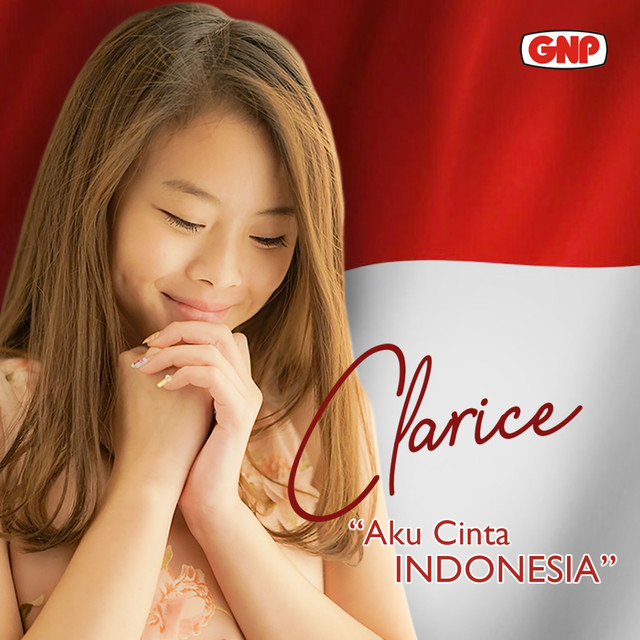




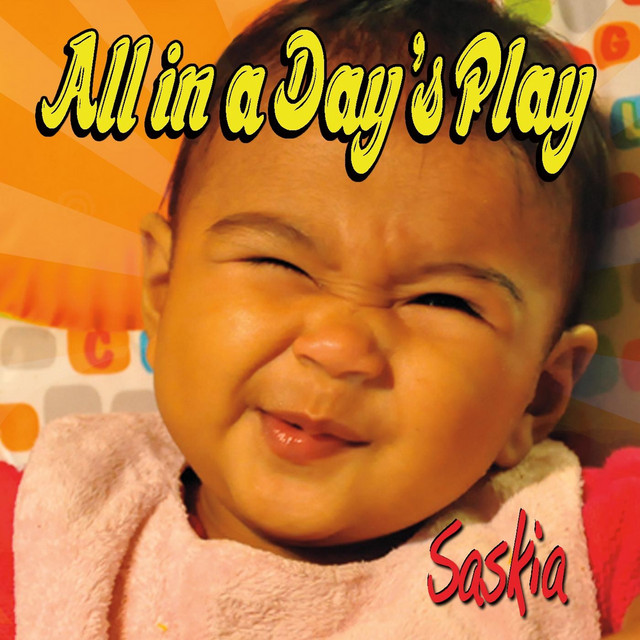

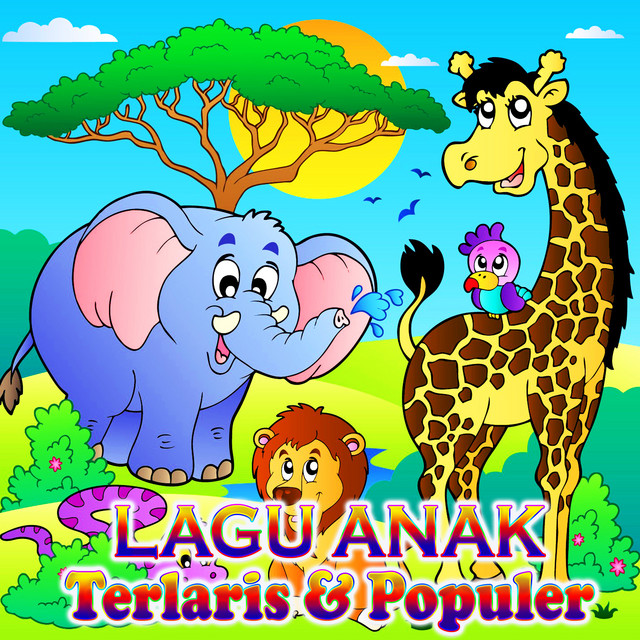
18

方冉星
6,658
10,165 listeners

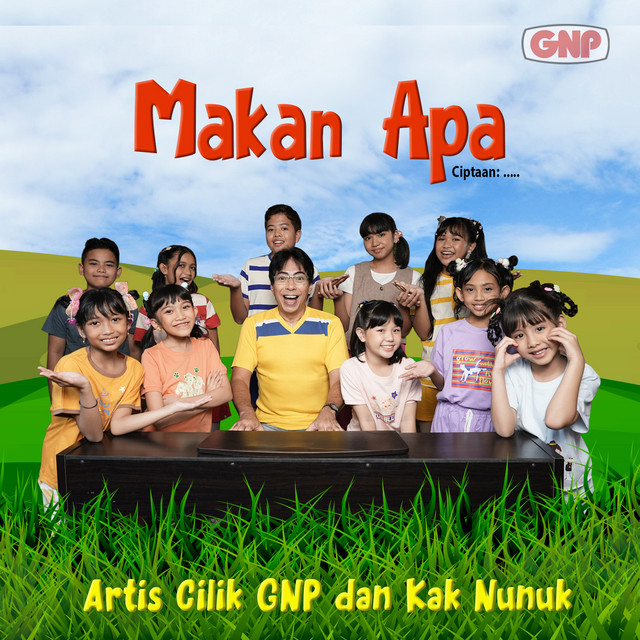


About Musik anak-anak
Musik anak-anak, or children's music, is a cross-cultural genre designed to entertain, educate, and invite participation from listeners young and old. It thrives on bright melodies, playful rhythms, and lyrics that invite sing-alongs, movement, and reflection. At its best, it works as a bridge between listening pleasure and early learning, turning simple tunes into quick lessons about language, numbers, kindness, and curiosity.
The birth of musik anak-anak as a recognizable field grew out of a long tradition of folk lullabies and nursery rhymes in many cultures, but it also consolidated in the 20th century with the rise of formal education, mass media, and kid-focused publishing. Schools, radio programs, and later television created dedicated repertoires and platforms for songs that could teach basic concepts and values while capturing children’s imaginations. This development coincided with a broader global appetite for media that could entertain while supporting development and socialization.
What characterizes musik anak-anak is its emphasis on accessibility and participation. Tubas of sound are often bright and uncluttered, melodies are repetitive and easy to remember, and lyrics typically use rhyme, ask for a response, or encourage movement and interaction. Many tracks double as mnemonic tools or moral touchpoints—counting games, color naming, animal sounds, and messages about sharing, empathy, and resilience. The genre has also shown a remarkable adaptability, absorbing folk, pop, folk-pop, world music, and even light electronic textures without losing its kid-friendly clarity.
Globally, musik anak-anak has found its strongest footholds in markets with established children’s media ecosystems. In North America and Europe, names like Raffi, They Might Be Giants, Laurie Berkner, and The Wiggles became influential ambassadors through albums, television programs, and live performance. Sesame Street and similar programs have helped disseminate high-quality children’s songs across borders, providing a template for engaging young audiences with music that teaches language, numeracy, and social skills. In recent years, streaming platforms and social video have broadened access, enabling a wider range of artists—indie bands, bilingual acts, and culturally specific voices—to reach children worldwide.
In Indonesia and other parts of Southeast Asia, musik anak-anak has a robust local lineage that blends native folk song sensibilities with international styles. It is deeply embedded in school curricula, children’s television, and community events. Classic Indonesian songs such as Balonku Ada Lima and Pelangi-Pelangi are widely recognized by generations of listeners, serving as cultural anchors that coexist with imported tunes. This regional strength highlights how musik anak-anak can be both locally rooted and globally informed.
For enthusiasts, the genre rewards careful listening: you’ll hear craftsmanship in how melody, rhythm, and lyric are aligned to invite participation; you’ll notice how modern producers fuse traditional warmth with contemporary textures; and you’ll discover a living archive of songs that document childhood across decades and borders. Whether revisiting familiar favorites or exploring new voices, musik anak-anak offers a richly social, musically satisfying doorway into the world of early sound.
The birth of musik anak-anak as a recognizable field grew out of a long tradition of folk lullabies and nursery rhymes in many cultures, but it also consolidated in the 20th century with the rise of formal education, mass media, and kid-focused publishing. Schools, radio programs, and later television created dedicated repertoires and platforms for songs that could teach basic concepts and values while capturing children’s imaginations. This development coincided with a broader global appetite for media that could entertain while supporting development and socialization.
What characterizes musik anak-anak is its emphasis on accessibility and participation. Tubas of sound are often bright and uncluttered, melodies are repetitive and easy to remember, and lyrics typically use rhyme, ask for a response, or encourage movement and interaction. Many tracks double as mnemonic tools or moral touchpoints—counting games, color naming, animal sounds, and messages about sharing, empathy, and resilience. The genre has also shown a remarkable adaptability, absorbing folk, pop, folk-pop, world music, and even light electronic textures without losing its kid-friendly clarity.
Globally, musik anak-anak has found its strongest footholds in markets with established children’s media ecosystems. In North America and Europe, names like Raffi, They Might Be Giants, Laurie Berkner, and The Wiggles became influential ambassadors through albums, television programs, and live performance. Sesame Street and similar programs have helped disseminate high-quality children’s songs across borders, providing a template for engaging young audiences with music that teaches language, numeracy, and social skills. In recent years, streaming platforms and social video have broadened access, enabling a wider range of artists—indie bands, bilingual acts, and culturally specific voices—to reach children worldwide.
In Indonesia and other parts of Southeast Asia, musik anak-anak has a robust local lineage that blends native folk song sensibilities with international styles. It is deeply embedded in school curricula, children’s television, and community events. Classic Indonesian songs such as Balonku Ada Lima and Pelangi-Pelangi are widely recognized by generations of listeners, serving as cultural anchors that coexist with imported tunes. This regional strength highlights how musik anak-anak can be both locally rooted and globally informed.
For enthusiasts, the genre rewards careful listening: you’ll hear craftsmanship in how melody, rhythm, and lyric are aligned to invite participation; you’ll notice how modern producers fuse traditional warmth with contemporary textures; and you’ll discover a living archive of songs that document childhood across decades and borders. Whether revisiting familiar favorites or exploring new voices, musik anak-anak offers a richly social, musically satisfying doorway into the world of early sound.