Genre
muzica maramureseana
Top Muzica maramureseana Artists
Showing 25 of 31 artists

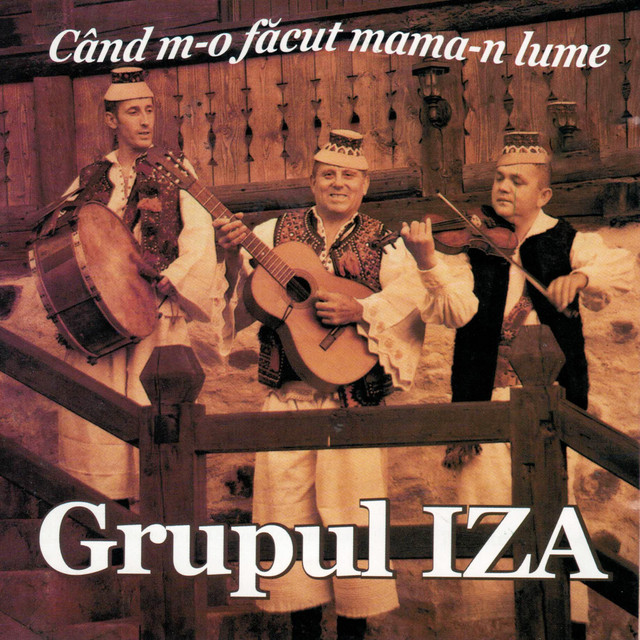


About Muzica maramureseana
Muzica maramureșeană is a traditional Romanian folk music from the northern region of Maramureș, a place famed for its wooden churches, hills, and a long history of peasant and shepherd life. Its roots run deep, stretching across centuries and surviving through village rituals, weddings, harvest celebrations, and seasonal gatherings. The genre emerged not as a single set of tunes but as a living, oral heritage—passed from generation to generation, adapted by families, communities, and traveling singers. In the modern era, it has been documented by ethnomusicologists and revived by ensembles and performers who want to keep the sound of the Maramureș hills alive for new listeners.
Musically, maramureșeană is characterized by a strong emphasis on voice. Songs are often delivered with robust, resonant singing that can echo in quartet or unison forms, sometimes with subtle polyphony where voices weave around a melodic lead. The vocal lines tend to be straightforward, lyric, and emotionally direct, reflecting the region’s pastoral and daily life. When instruments accompany the singing, the texture remains intimate and earthy rather than flashy, favoring the clarity of the human voice. The repertoire includes ballads, pastoral laments, wedding pieces, seasonal songs, and dance tunes used to animate community gatherings. The overall feeling is sincere, rustic, and rooted in the rhythms of rural work and seasonal cycles.
In terms of sound and atmosphere, maramureșeană often conveys open-air, highland spaces—the wind over wooden homesteads, the cadence of a procession to a village square, the communal joy of a wedding dance. The melodic language tends to favor expressive cadences, a certain austerity paired with warmth, and a sense that the song belongs as much to the landscape as to the singer. While the emphasis remains on vocal tradition, the music can be supported by modest instrumental color—primarily stringed lines in the fiddle family and simple wind or percussion elements in more contemporary arrangements. The result is music that feels both deeply local and, in modern performances, readily accessible to listeners from other musical worlds.
Historically, maramureșeană has benefited from the region’s strong sense of regional identity. The music was preserved in rural communities through practice rather than publication, and only in the 20th century did scholars and festival organizers begin to bring it to a wider audience. The late 20th and early 21st centuries saw a revival supported by ethnomusicology archives and world-music projects, which helped translate the music for international listeners while maintaining its authenticity.
Key artists and ambassadors of the genre tend to be the living masters of Maramureș’s singing tradition, custodians who keep the repertoire vibrant in villages, concerts, and festivals. In addition, contemporary folk ensembles and world-music artists who draw on Maramureș motifs help introduce the sound to new audiences without diluting its regional character. Diaspora communities in countries like Germany, Hungary, the United Kingdom, the United States, and Canada also play a vital role in keeping maramureșeană alive, sharing recordings, organizing concerts, and building intercultural connections.
Today, maramureșeană is most popular in Romania, especially in Maramureș County and neighboring regions, but it also resonates with listeners across Europe and in North America where travelers and descendants seek a sense of place, time, and tradition through its earnest, unadorned beauty. If you are drawn to music that speaks of land, lineage, and communal memory, maramureșeană offers a compelling, heartfelt invitation.
Musically, maramureșeană is characterized by a strong emphasis on voice. Songs are often delivered with robust, resonant singing that can echo in quartet or unison forms, sometimes with subtle polyphony where voices weave around a melodic lead. The vocal lines tend to be straightforward, lyric, and emotionally direct, reflecting the region’s pastoral and daily life. When instruments accompany the singing, the texture remains intimate and earthy rather than flashy, favoring the clarity of the human voice. The repertoire includes ballads, pastoral laments, wedding pieces, seasonal songs, and dance tunes used to animate community gatherings. The overall feeling is sincere, rustic, and rooted in the rhythms of rural work and seasonal cycles.
In terms of sound and atmosphere, maramureșeană often conveys open-air, highland spaces—the wind over wooden homesteads, the cadence of a procession to a village square, the communal joy of a wedding dance. The melodic language tends to favor expressive cadences, a certain austerity paired with warmth, and a sense that the song belongs as much to the landscape as to the singer. While the emphasis remains on vocal tradition, the music can be supported by modest instrumental color—primarily stringed lines in the fiddle family and simple wind or percussion elements in more contemporary arrangements. The result is music that feels both deeply local and, in modern performances, readily accessible to listeners from other musical worlds.
Historically, maramureșeană has benefited from the region’s strong sense of regional identity. The music was preserved in rural communities through practice rather than publication, and only in the 20th century did scholars and festival organizers begin to bring it to a wider audience. The late 20th and early 21st centuries saw a revival supported by ethnomusicology archives and world-music projects, which helped translate the music for international listeners while maintaining its authenticity.
Key artists and ambassadors of the genre tend to be the living masters of Maramureș’s singing tradition, custodians who keep the repertoire vibrant in villages, concerts, and festivals. In addition, contemporary folk ensembles and world-music artists who draw on Maramureș motifs help introduce the sound to new audiences without diluting its regional character. Diaspora communities in countries like Germany, Hungary, the United Kingdom, the United States, and Canada also play a vital role in keeping maramureșeană alive, sharing recordings, organizing concerts, and building intercultural connections.
Today, maramureșeană is most popular in Romania, especially in Maramureș County and neighboring regions, but it also resonates with listeners across Europe and in North America where travelers and descendants seek a sense of place, time, and tradition through its earnest, unadorned beauty. If you are drawn to music that speaks of land, lineage, and communal memory, maramureșeană offers a compelling, heartfelt invitation.