Genre
muzica populara
Top Muzica populara Artists
Showing 25 of 39 artists






About Muzica populara
Muzica populară, or muzică populară românească, is a living crossroads between Romania’s abundant folk heritage and the pulse of contemporary singing. It’s not merely traditional folk or pure pop; it’s a sophisticated, emotionally charged genre that has grown with the country’s history, adapting to new audiences while keeping its village-rooted soul.
Origins and birth
The roots lie in the regional folk songs carried by singers from Moldova, Muntenia, Oltenia, Transylvania and beyond. Doina, Hora, and baladele mingled with local dances and instruments, and over the 20th century these rural sounds were urbanized, organized, and amplified for mass audiences. After World War II, state-sponsored studios, radio, television, and large orchestras helped define and disseminate a standardized yet flexible form of Romanian folk-inspired song. By the 1960s and 1970s, a distinct, widely recognizable style had emerged: familiar folk melodies reframed with modern arrangements, often featuring a full ensemble, polished vocal formatting, and accessible, story-driven lyrics.
Sound and craft
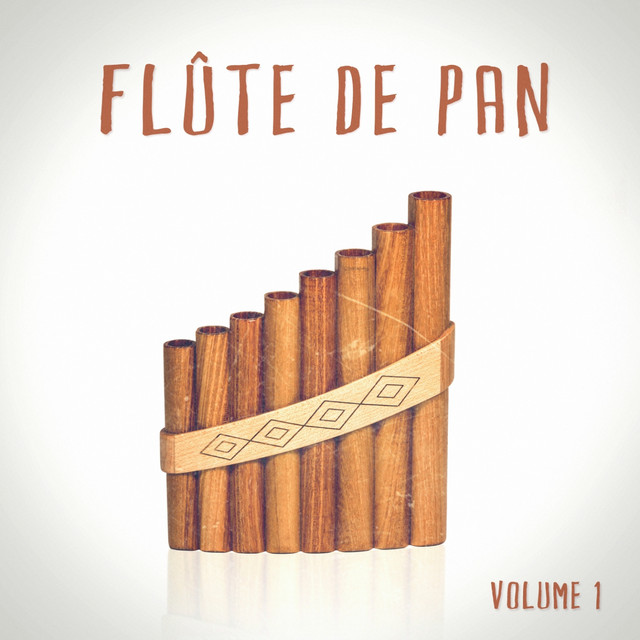
Muzică populară is characterized by melodic warmth, lyrical storytelling, and a strong sense of homeland and everyday life. The vocal line tends to be emotive and clear, often delivering themes of love, longing, pride of place, and resilience. Instrumentation traditionally centers on accordion, violin, and rhythm sections, with the cimbalom or pan flute adding regional color. In later decades, electric guitars, bass, and contemporary percussion were layered in to keep the sound current, while the heart of the genre remained a strong, singable melody and a chorus-friendly structure. The best performances balance vocal expressiveness with tasteful, country-influenced orchestration, making the music instantly recognizable to Romanian audiences and inviting to curious listeners abroad.
Key artists and ambassadors
Some names have become enduring symbols of muzică populară. Early icons include Maria Tănase, whose intense, dramatic delivery helped shape the tradition’s emotional vocabulary. In the postwar era and beyond, a generation of luminaries built the genre’s contemporary face: Ion Dolănescu, a sonorous voice with a deep sense of drama; Maria Ciobanu, celebrated for her warm tone and phrasing; Irina Loghin, renowned for a supple, heartfelt approach; and Ileana Ciuculete, a beloved interpreter whose work bridged classic folk and modern popular music. These singers—along with countless regional artists—kept the craft vibrant, continually inviting new listeners to discover the genre’s breadth and nuance.
Geography and audience
Muzică populară is most popular in Romania and Moldova, where it reflects shared linguistic and cultural roots. Its resonance extends to Romanian-speaking communities across the diaspora in Italy, Spain, the United States, Canada, the United Kingdom, and beyond. In these communities, the genre often serves as a touchstone of identity, memory, and celebration, performed at concerts, festivals, weddings, and cultural events.
Why it matters to enthusiasts
For music lovers, muzică populară offers a living archive of regional styles fused with modern production. It rewards attentive listening: subtle regional inflections in phrasing, nuanced vocal dynamics, and the way a song can shift from intimate storytelling to anthemic communal chorus. Its history mirrors Romania’s social changes—the rural-to-urban shift, mass media’s rise, and the ongoing dialogue between tradition and contemporary sound. For the curious listener, the genre is a gateway to a vast, emotionally rich repertoire that continues to evolve without relinquishing its heartfelt roots.
Origins and birth
The roots lie in the regional folk songs carried by singers from Moldova, Muntenia, Oltenia, Transylvania and beyond. Doina, Hora, and baladele mingled with local dances and instruments, and over the 20th century these rural sounds were urbanized, organized, and amplified for mass audiences. After World War II, state-sponsored studios, radio, television, and large orchestras helped define and disseminate a standardized yet flexible form of Romanian folk-inspired song. By the 1960s and 1970s, a distinct, widely recognizable style had emerged: familiar folk melodies reframed with modern arrangements, often featuring a full ensemble, polished vocal formatting, and accessible, story-driven lyrics.
Sound and craft
Muzică populară is characterized by melodic warmth, lyrical storytelling, and a strong sense of homeland and everyday life. The vocal line tends to be emotive and clear, often delivering themes of love, longing, pride of place, and resilience. Instrumentation traditionally centers on accordion, violin, and rhythm sections, with the cimbalom or pan flute adding regional color. In later decades, electric guitars, bass, and contemporary percussion were layered in to keep the sound current, while the heart of the genre remained a strong, singable melody and a chorus-friendly structure. The best performances balance vocal expressiveness with tasteful, country-influenced orchestration, making the music instantly recognizable to Romanian audiences and inviting to curious listeners abroad.
Key artists and ambassadors
Some names have become enduring symbols of muzică populară. Early icons include Maria Tănase, whose intense, dramatic delivery helped shape the tradition’s emotional vocabulary. In the postwar era and beyond, a generation of luminaries built the genre’s contemporary face: Ion Dolănescu, a sonorous voice with a deep sense of drama; Maria Ciobanu, celebrated for her warm tone and phrasing; Irina Loghin, renowned for a supple, heartfelt approach; and Ileana Ciuculete, a beloved interpreter whose work bridged classic folk and modern popular music. These singers—along with countless regional artists—kept the craft vibrant, continually inviting new listeners to discover the genre’s breadth and nuance.
Geography and audience
Muzică populară is most popular in Romania and Moldova, where it reflects shared linguistic and cultural roots. Its resonance extends to Romanian-speaking communities across the diaspora in Italy, Spain, the United States, Canada, the United Kingdom, and beyond. In these communities, the genre often serves as a touchstone of identity, memory, and celebration, performed at concerts, festivals, weddings, and cultural events.
Why it matters to enthusiasts
For music lovers, muzică populară offers a living archive of regional styles fused with modern production. It rewards attentive listening: subtle regional inflections in phrasing, nuanced vocal dynamics, and the way a song can shift from intimate storytelling to anthemic communal chorus. Its history mirrors Romania’s social changes—the rural-to-urban shift, mass media’s rise, and the ongoing dialogue between tradition and contemporary sound. For the curious listener, the genre is a gateway to a vast, emotionally rich repertoire that continues to evolve without relinquishing its heartfelt roots.