Genre
myanmar gospel
Top Myanmar gospel Artists
Showing 20 of 20 artists
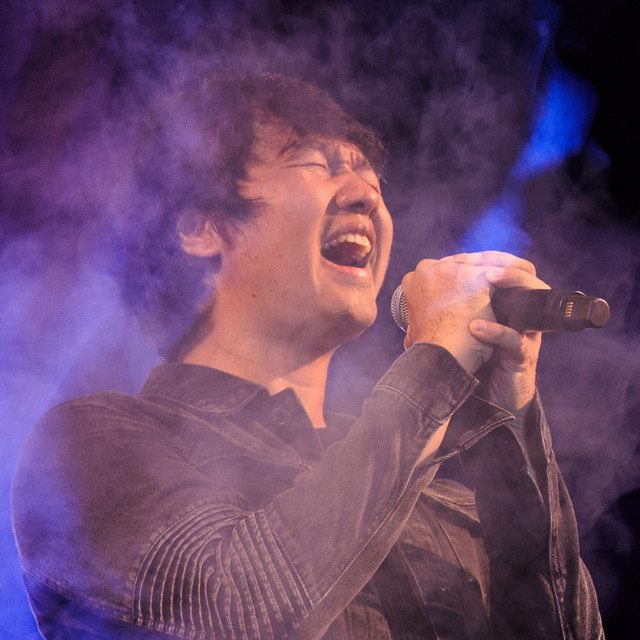




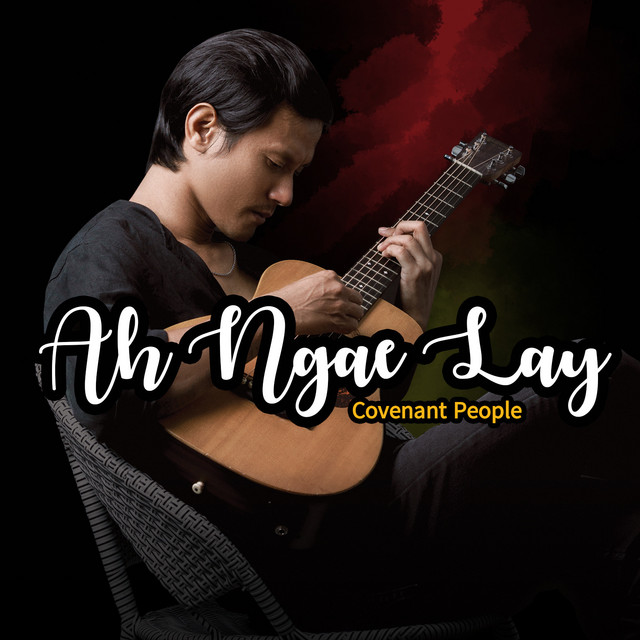





About Myanmar gospel
Myanmar gospel is a vibrant, community-driven music genre born from the country’s Christian minority and its long history of missionary activity. It blends Western hymnody and contemporary worship with Burmese language and local musical sensibilities, creating a sound that feels both universal to gospel fans and distinctly Burmese.
Origins trace back to the late 19th and early 20th centuries, when British and American Protestant missionaries—Baptists, Presbyterians, and Anglicans— arrived in Burma and introduced hymn singing, Bible schools, and choir traditions. Burmese translations of classic hymns, original gospel songs, and church melodies circulated through mission stations, seminary classrooms, and youth groups. Over time, church music ministries helped shape a living repertoire, with the genre maturing through mid‑century choral arrangements and popular Sunday worship. The political shifts of the latter half of the 20th century pushed much church music underground or underground‑adjacent, but perseverance in congregations kept the flame alive. The 1990s and 2000s saw a revival as Pentecostal and evangelical movements gained traction, bringing more contemporary arrangements and youth-led worship into the spotlight.
In sound and language, Burmese gospel favors clear, singable melodies, repetitive choruses, and call‑and‑response structures that invite participation. Instrumentation ranges from piano and acoustic guitar to keyboards and drum kits, with occasional electric guitars and light percussion to energize worship sets. Melodic contours often reflect Burmese tonal sensibilities, sometimes blending pentatonic flavors with Western harmonic progressions. Lyrics center on praise, salvation, grace, and community, and many songs switch between Burmese and English to accommodate bilingual congregations and cross-border collaborations. Production ranges from intimate church recordings to polished studio releases produced by regional ministries.
Geographically, the genre is most prominent within Myanmar’s Christian communities—especially among the Chin, Kachin, Karen, and other ethnic groups—as well as in the urban church scenes of Yangon and Mandalay. It has also traveled across borders to Thai border towns, Malaysia, Singapore, and into diaspora communities in the United States, Australia, and Europe, where Burmese worship songs circulate through churches, concerts, and online platforms.
Ambassadors and key artists emerge not from a single superstar but from church-based worship leaders, youth pastors, choir directors, and regional gospel collectives. These figures organize worship camps, coordinate recording projects, and partner with mission‑minded labels and ministries to bring Burmese-language worship to a broader audience. They act as cultural ambassadors, shaping the sound with local flavors—sometimes integrating ethnic minority musical elements, sometimes layering polished contemporary textures onto traditional melodies.
For listeners exploring gospel beyond culture will find Myanmar gospel offers unique entry points: intimate church performances captured in live worship videos, recorded albums by regional ministries, and festival appearances at mission conferences across Southeast Asia. Seek Burmese-language worship albums, youth camps, and livestreams from Yangon studios. Notice how the genre preserves traditional chime-like phrases while embracing contemporary pop‑rock rhythms, a combination that rewards repeated listening and attentive vocal nuance.
Origins trace back to the late 19th and early 20th centuries, when British and American Protestant missionaries—Baptists, Presbyterians, and Anglicans— arrived in Burma and introduced hymn singing, Bible schools, and choir traditions. Burmese translations of classic hymns, original gospel songs, and church melodies circulated through mission stations, seminary classrooms, and youth groups. Over time, church music ministries helped shape a living repertoire, with the genre maturing through mid‑century choral arrangements and popular Sunday worship. The political shifts of the latter half of the 20th century pushed much church music underground or underground‑adjacent, but perseverance in congregations kept the flame alive. The 1990s and 2000s saw a revival as Pentecostal and evangelical movements gained traction, bringing more contemporary arrangements and youth-led worship into the spotlight.
In sound and language, Burmese gospel favors clear, singable melodies, repetitive choruses, and call‑and‑response structures that invite participation. Instrumentation ranges from piano and acoustic guitar to keyboards and drum kits, with occasional electric guitars and light percussion to energize worship sets. Melodic contours often reflect Burmese tonal sensibilities, sometimes blending pentatonic flavors with Western harmonic progressions. Lyrics center on praise, salvation, grace, and community, and many songs switch between Burmese and English to accommodate bilingual congregations and cross-border collaborations. Production ranges from intimate church recordings to polished studio releases produced by regional ministries.
Geographically, the genre is most prominent within Myanmar’s Christian communities—especially among the Chin, Kachin, Karen, and other ethnic groups—as well as in the urban church scenes of Yangon and Mandalay. It has also traveled across borders to Thai border towns, Malaysia, Singapore, and into diaspora communities in the United States, Australia, and Europe, where Burmese worship songs circulate through churches, concerts, and online platforms.
Ambassadors and key artists emerge not from a single superstar but from church-based worship leaders, youth pastors, choir directors, and regional gospel collectives. These figures organize worship camps, coordinate recording projects, and partner with mission‑minded labels and ministries to bring Burmese-language worship to a broader audience. They act as cultural ambassadors, shaping the sound with local flavors—sometimes integrating ethnic minority musical elements, sometimes layering polished contemporary textures onto traditional melodies.
For listeners exploring gospel beyond culture will find Myanmar gospel offers unique entry points: intimate church performances captured in live worship videos, recorded albums by regional ministries, and festival appearances at mission conferences across Southeast Asia. Seek Burmese-language worship albums, youth camps, and livestreams from Yangon studios. Notice how the genre preserves traditional chime-like phrases while embracing contemporary pop‑rock rhythms, a combination that rewards repeated listening and attentive vocal nuance.