Genre
nadaswaram
Top Nadaswaram Artists
Showing 24 of 24 artists






About Nadaswaram
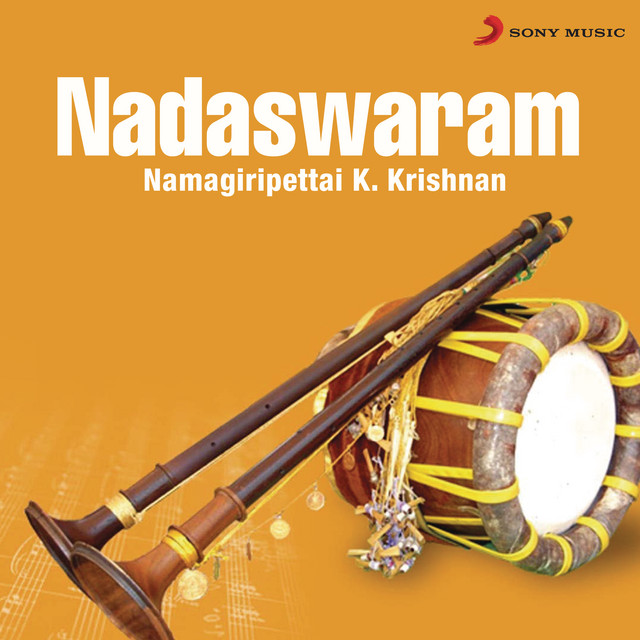
The nadaswaram is often described as the voice of South Indian temple music. This Carnatic wind instrument is majestic in scale, typically made of a long wooden body with a mouthpiece at one end and a flaring bell at the other. It is traditionally played in pairs with the accompanying thavil drum, creating a brassy, ritual timbre that can be heard above crowds at temple processions, weddings, and major festival concerts. Its sound is bright, forceful, and deeply ceremonial, yet there is a lyrical, almost vocal quality in its ornamentation that invites close listening from a discerning audience.
Historically, the nadaswaram sits near the heart of Tamil and South Indian musical life. Its origins are ancient, with references and depictions in temple art and literature dating back to the early medieval period. Many scholars trace a continuous lineage from early Tamil temple music through later Carnatic practice, with the instrument reaching a high degree of sophistication in the Vijayanagara and later periods. Though it has evolved through centuries, the instrument has retained its essential role as a lead melodic voice in ritual settings, where it can be heard across courtyards, soil-packed streets, and ceremonial stages.
Musically, the nadaswaram operates within the Carnatic framework of ragas and talas, but its technique and idiom demand a distinctive control of breath, embouchure, and a deep sense of long, sculpted phrases known as gamakas. Players pursue a spectrum of expression—from brisk, virtuosic passages to slow, expansive alapana-like explorations—always anchored by a sense of prayerful elevation. The instrument is capable of a wide dynamic range, and its sound is often described as both singing and piercing, capable of filling large spaces without amplification in outdoor venues.
Performance contexts define much of the nadaswaram’s identity. In temples, it accompanies ritual calls and processions; in weddings, it leads the musical welcome and is central to auspicious moments. In concert settings, skilled players demonstrate a high degree of improvisational fluency, navigating ragas with precision while maintaining the instrument’s ceremonial gravitas. The nadaswaram’s repertoire intersects sacred ceremony and concert artistry, making it a bridge between devotion and performance.
Key artists and ambassadors of the genre anchor its history and transmission. Palani Subramania Pillai (often cited as a towering figure of the 20th-century nadaswaram tradition) is revered for his mastery and expressive generosity. His recordings and live performances helped popularize the instrument beyond its ritual roots, inspiring generations of players in Tamil Nadu, Sri Lanka, Singapore, Malaysia, and the global Tamil diaspora. Today, the nadaswaram remains actively cultivated in temples and concert halls alike, carried forward by elder maestros and a new wave of virtuosi who train students and perform across Asia, Africa, Europe, and North America.
The instrument’s popularity extends well beyond India’s borders. It is particularly embraced in Sri Lanka and among Tamil communities in Singapore and Malaysia, where temple ensembles and wedding bands keep the tradition alive. Diaspora communities in the Caribbean, Africa, and the Pacific also preserve the nadaswaram as a cultural emblem of Tamil identity. For music enthusiasts, the nadaswaram offers a rare blend of temple devotion, virtuoso technique, and a living link to a centuries-old sonic heritage.
Historically, the nadaswaram sits near the heart of Tamil and South Indian musical life. Its origins are ancient, with references and depictions in temple art and literature dating back to the early medieval period. Many scholars trace a continuous lineage from early Tamil temple music through later Carnatic practice, with the instrument reaching a high degree of sophistication in the Vijayanagara and later periods. Though it has evolved through centuries, the instrument has retained its essential role as a lead melodic voice in ritual settings, where it can be heard across courtyards, soil-packed streets, and ceremonial stages.
Musically, the nadaswaram operates within the Carnatic framework of ragas and talas, but its technique and idiom demand a distinctive control of breath, embouchure, and a deep sense of long, sculpted phrases known as gamakas. Players pursue a spectrum of expression—from brisk, virtuosic passages to slow, expansive alapana-like explorations—always anchored by a sense of prayerful elevation. The instrument is capable of a wide dynamic range, and its sound is often described as both singing and piercing, capable of filling large spaces without amplification in outdoor venues.
Performance contexts define much of the nadaswaram’s identity. In temples, it accompanies ritual calls and processions; in weddings, it leads the musical welcome and is central to auspicious moments. In concert settings, skilled players demonstrate a high degree of improvisational fluency, navigating ragas with precision while maintaining the instrument’s ceremonial gravitas. The nadaswaram’s repertoire intersects sacred ceremony and concert artistry, making it a bridge between devotion and performance.
Key artists and ambassadors of the genre anchor its history and transmission. Palani Subramania Pillai (often cited as a towering figure of the 20th-century nadaswaram tradition) is revered for his mastery and expressive generosity. His recordings and live performances helped popularize the instrument beyond its ritual roots, inspiring generations of players in Tamil Nadu, Sri Lanka, Singapore, Malaysia, and the global Tamil diaspora. Today, the nadaswaram remains actively cultivated in temples and concert halls alike, carried forward by elder maestros and a new wave of virtuosi who train students and perform across Asia, Africa, Europe, and North America.
The instrument’s popularity extends well beyond India’s borders. It is particularly embraced in Sri Lanka and among Tamil communities in Singapore and Malaysia, where temple ensembles and wedding bands keep the tradition alive. Diaspora communities in the Caribbean, Africa, and the Pacific also preserve the nadaswaram as a cultural emblem of Tamil identity. For music enthusiasts, the nadaswaram offers a rare blend of temple devotion, virtuoso technique, and a living link to a centuries-old sonic heritage.