Genre
narodna muzika
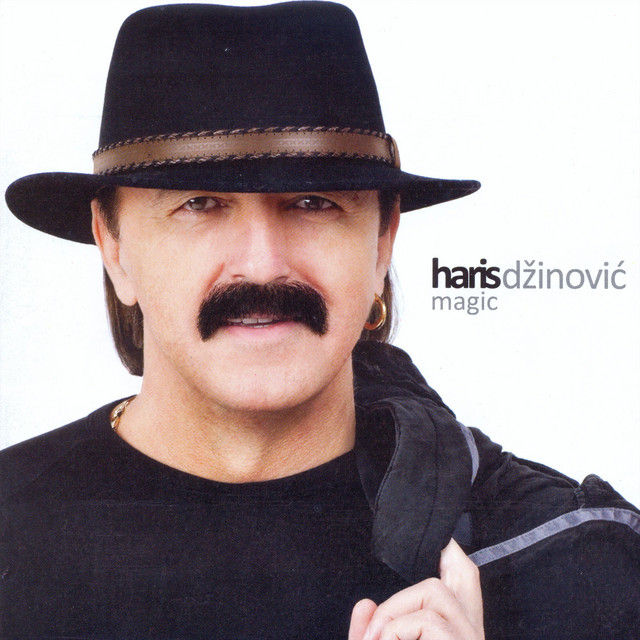
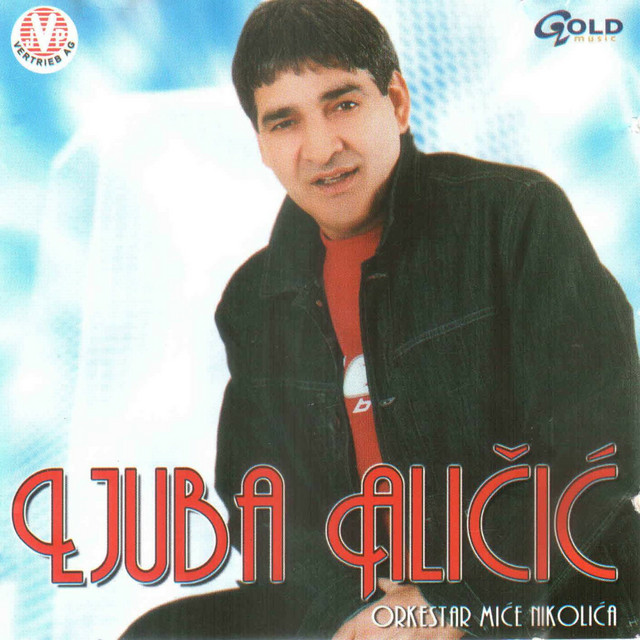
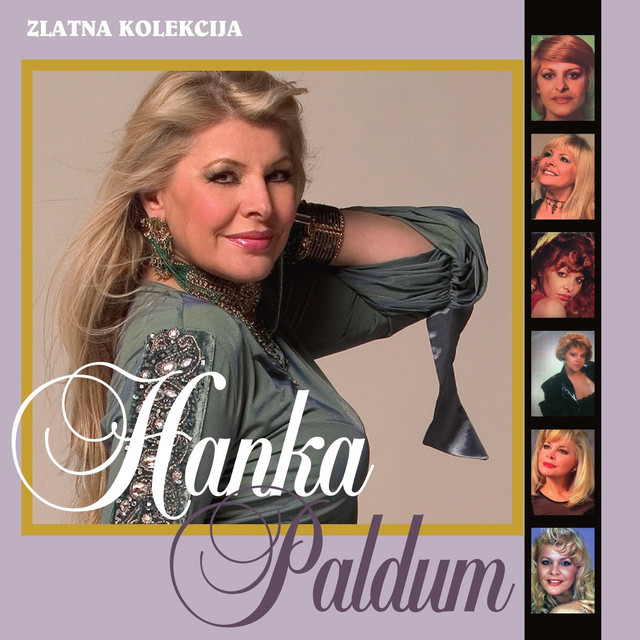
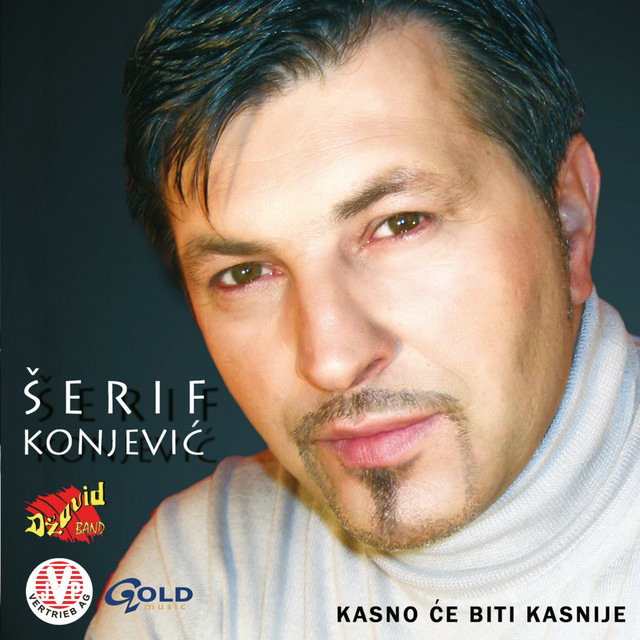
Top Narodna muzika Artists
Showing 25 of 99 artists





About Narodna muzika
Narodna muzika, literally “folk music” in the South Slavic languages, is a broad Balkan tradition that glides between village-rooted ballads, sentimental wedding songs, and contemporary, radio-friendly folk-pop hybrids. It is not a single fixed style but a family of regional sounds that share storytelling lyrics, expressive vocal delivery, and a preference for melodically memorable hooks. In broad terms, narodni zvuci draw on local folk repertoires from Serbia, Bosnia and Herzegovina, Croatia, Montenegro and North Macedonia, while absorbing Ottoman-influenced modal scales, urban brass textures, and, in modern forms, Western pop production.
Origins and evolution. The roots lie in the everyday music of rural communities—lute and tambura plucked tunes, accordion-led dances, gusle epics, and wedding serenades—passed down through generations. In the 19th and early 20th centuries, as national identities formed across the Balkans, regional folk songs were collected, arranged, and sometimes standardized for larger audiences. The mid–20th century brought state radio and, later, television, which helped fuse regional dialects into widely recognizable styles. By the 1960s–1970s, a more modern, mass-appeal branch emerged—often labeled narodna zabavna muzika—featuring electric guitars, orchestral backing, and polished vocal studio work. The later turbo-folk (often grouped under the same umbrella in everyday discourse) further blended traditional melodies with danceable beats and pop production, widening the genre’s reach beyond villages into city nightlife and regional festivals.
Sound, form, and instrumentation. Narodna muzika thrives on strong storytelling—love, pride, heartbreak, family, and honor—delivered in passionate, expressive vocal lines. The palette is diverse: accordion and tamburica provide the quintessential Balkan texture; brass bands (synthesized or live) add swagger and punch; bouzouki-like instruments, frula (flute), and gusle-crowned lines show the older traditions. Song forms range from slow, mournful ballads to upbeat wedding tunes and swaggering crowd-pleasers. Production can be stark and intimate or lush and orchestrated, depending on the era and the artist’s aim. In contemporary phases, electronic beats, pop hooks, and danceable tempos are common, making narodna muzika a living, evolving sound rather than a fixed folk archive.
Key artists and ambassadors. The genre has produced a constellation of beloved figures across the region. Šaban Šaulić (the “King of Folk”) helped shape the Serbian folk-ballad lineage in the late 20th century with emotionally direct singing and timeless melodicism. Lepa Brena became a regional phenomenon in the 1980s, blending traditional motifs with pop sensibility and broadcasting narodna energy to a wide audience. Ceca Ražnatović is another towering name, whose songs cross into contemporary folk-pop with broad appeal. Other influential voices include Željko Samardžić, Toma Zdravković, and Sejo Kalač, who have shaped the soundscape in Serbia, Bosnia and Herzegovina, and the wider Balkans. In Croatia and Montenegro, many singers carry forward the same legacy with regional color, while the diaspora keeps the sound vibrant in Germany, Switzerland, Sweden, Canada, and Australia.
Popularity and reach. Narodna muzika remains especially popular in Serbia, Bosnia and Herzegovina, Montenegro, Croatia, and North Macedonia, where it remains central to weddings, kafana culture, and festivals. Beyond the Balkans, its dancers, fans, and storytellers thrive in diaspora communities, where nostalgia and cultural identity keep the genre alive across generations.
In sum, narodna muzika embodies a shared Balkan soul: stories sung with heart, a blend of old and new, and an inclusive, evolving sound that travels from village squares to international stages.
Origins and evolution. The roots lie in the everyday music of rural communities—lute and tambura plucked tunes, accordion-led dances, gusle epics, and wedding serenades—passed down through generations. In the 19th and early 20th centuries, as national identities formed across the Balkans, regional folk songs were collected, arranged, and sometimes standardized for larger audiences. The mid–20th century brought state radio and, later, television, which helped fuse regional dialects into widely recognizable styles. By the 1960s–1970s, a more modern, mass-appeal branch emerged—often labeled narodna zabavna muzika—featuring electric guitars, orchestral backing, and polished vocal studio work. The later turbo-folk (often grouped under the same umbrella in everyday discourse) further blended traditional melodies with danceable beats and pop production, widening the genre’s reach beyond villages into city nightlife and regional festivals.
Sound, form, and instrumentation. Narodna muzika thrives on strong storytelling—love, pride, heartbreak, family, and honor—delivered in passionate, expressive vocal lines. The palette is diverse: accordion and tamburica provide the quintessential Balkan texture; brass bands (synthesized or live) add swagger and punch; bouzouki-like instruments, frula (flute), and gusle-crowned lines show the older traditions. Song forms range from slow, mournful ballads to upbeat wedding tunes and swaggering crowd-pleasers. Production can be stark and intimate or lush and orchestrated, depending on the era and the artist’s aim. In contemporary phases, electronic beats, pop hooks, and danceable tempos are common, making narodna muzika a living, evolving sound rather than a fixed folk archive.
Key artists and ambassadors. The genre has produced a constellation of beloved figures across the region. Šaban Šaulić (the “King of Folk”) helped shape the Serbian folk-ballad lineage in the late 20th century with emotionally direct singing and timeless melodicism. Lepa Brena became a regional phenomenon in the 1980s, blending traditional motifs with pop sensibility and broadcasting narodna energy to a wide audience. Ceca Ražnatović is another towering name, whose songs cross into contemporary folk-pop with broad appeal. Other influential voices include Željko Samardžić, Toma Zdravković, and Sejo Kalač, who have shaped the soundscape in Serbia, Bosnia and Herzegovina, and the wider Balkans. In Croatia and Montenegro, many singers carry forward the same legacy with regional color, while the diaspora keeps the sound vibrant in Germany, Switzerland, Sweden, Canada, and Australia.
Popularity and reach. Narodna muzika remains especially popular in Serbia, Bosnia and Herzegovina, Montenegro, Croatia, and North Macedonia, where it remains central to weddings, kafana culture, and festivals. Beyond the Balkans, its dancers, fans, and storytellers thrive in diaspora communities, where nostalgia and cultural identity keep the genre alive across generations.
In sum, narodna muzika embodies a shared Balkan soul: stories sung with heart, a blend of old and new, and an inclusive, evolving sound that travels from village squares to international stages.