Genre
nashville sound
Top Nashville sound Artists
Showing 6 of 6 artists



About Nashville sound
The Nashville Sound, later styled as Countrypolitan, is a defining chapter in the evolution of country music. Born in the late 1950s and blooming through the early 1960s on Music Row in Nashville, it was a conscious move to broaden country’s reach by marrying sturdy storytelling with polished, pop-friendly production. The idea was to keep the heart of country—the photographed realities of love, loss, work, and home—while rendering the sound more accessible on mainstream radio and in foreign markets.
Musically, the Nashville Sound is characterized by lush, cinematic arrangements: smoother vocal deliveries, double-tracked harmonies, and especially the use of string sections and choir-like backing vocals that softened edges of twang and grit. Producers and engineers mined pop conventions—slick tempos, conventional song shapes, and a refined orchestration—to create records that felt a step closer to the ballads and light pop of the era, without abandoning country melodic shapes or storytelling roots. The aim was clear: preserve country’s emotional honesty while inviting a broader audience to hear it without abrupt genre barriers.
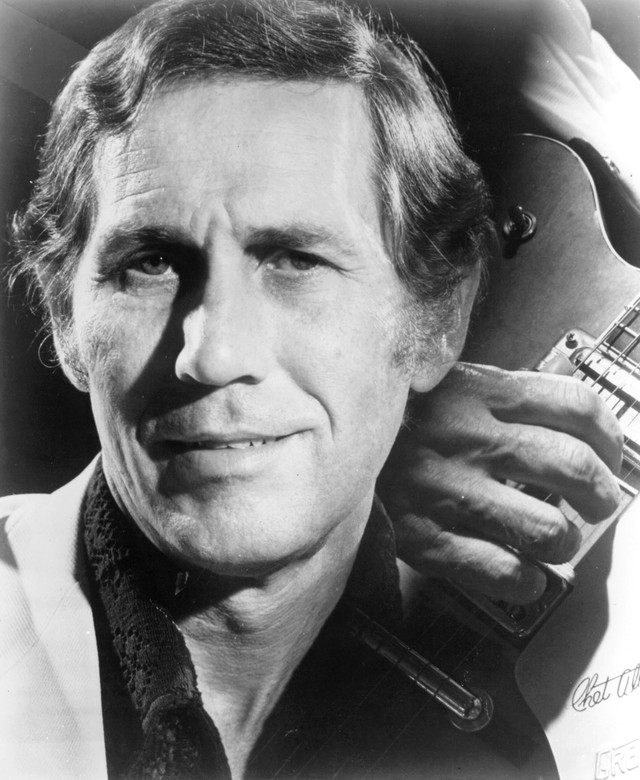
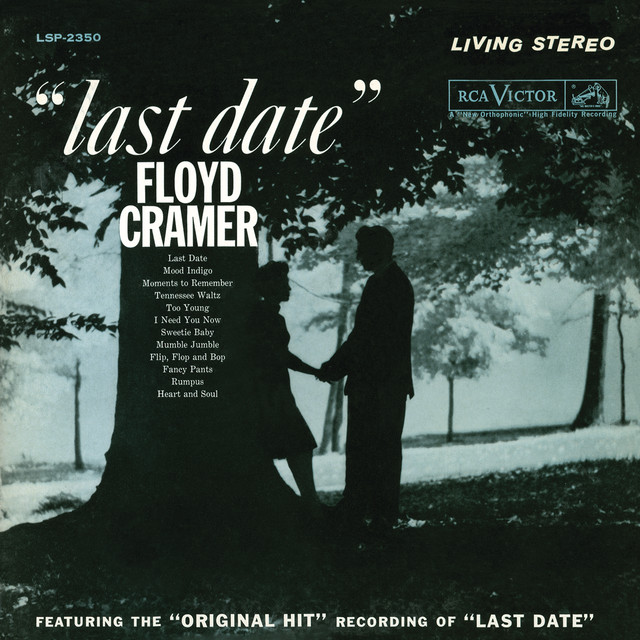
Central to its creation were the architects and the A-list session players who built the sound. Chet Atkins, a guitarist turned producer, along with Owen Bradley, steered many landmark sessions that defined the style. The roster of instrumentalists—Bob Moore on bass, Floyd Cramer on piano, Hank Garland on guitar, Buddy Emmons on pedal steel—along with reliable backing vocal ensembles like The Jordanaires, created a sonic fabric that could carry a ballad into pop arenas or anchor a mid-tempo storyteller in a velvet, accessible mood. This was the Nashville A-Team working behind the scenes, turning tenth-attempt ideas into cross-genre hits.
Ambassador voices of the Nashville Sound include Patsy Cline, Jim Reeves, and Eddy Arnold, each delivering performances that anchored the movement in public memory. Patsy Cline’s Walkin’ After Midnight and Crazy (plus I Fall to Pieces) showcased a tremulous elegance that bridged country and pop sensibilities. Jim Reeves brought a velvet baritone and a gliding tempo to songs like He’ll Have to Go, a crossover phenomenon that coasted onto pop charts while staying truthful to country core. Eddy Arnold’s Make the World Go Away epitomized the ballad-friendly, string-laden approach. Other notable names associated with the era include Brenda Lee, Don Gibson, and Porter Wagoner, who helped push country toward more refined, radio-ready textures even as their material preserved country storytelling.
Geographically, the Nashville Sound found its strongest footing in the United States, especially in the Southeast and Midwest markets, but its appeal crossed the Atlantic and reached Canada, the United Kingdom, and later other Western markets. Its influence rippled through international country audiences and contributed to a broader cultural dialogue: country could be polished, cosmopolitan, and emotionally direct at the same time.
Today, the Nashville Sound is remembered as a transitional force—an elegant bridge between the raw honky-tonk of earlier decades and the more expansive, crossover-oriented country-pop that followed. It remains a touchstone for enthusiasts who savor how craft, arrangement, and vocal nuance can widen a genre’s horizons without erasing its soul.
Musically, the Nashville Sound is characterized by lush, cinematic arrangements: smoother vocal deliveries, double-tracked harmonies, and especially the use of string sections and choir-like backing vocals that softened edges of twang and grit. Producers and engineers mined pop conventions—slick tempos, conventional song shapes, and a refined orchestration—to create records that felt a step closer to the ballads and light pop of the era, without abandoning country melodic shapes or storytelling roots. The aim was clear: preserve country’s emotional honesty while inviting a broader audience to hear it without abrupt genre barriers.
Central to its creation were the architects and the A-list session players who built the sound. Chet Atkins, a guitarist turned producer, along with Owen Bradley, steered many landmark sessions that defined the style. The roster of instrumentalists—Bob Moore on bass, Floyd Cramer on piano, Hank Garland on guitar, Buddy Emmons on pedal steel—along with reliable backing vocal ensembles like The Jordanaires, created a sonic fabric that could carry a ballad into pop arenas or anchor a mid-tempo storyteller in a velvet, accessible mood. This was the Nashville A-Team working behind the scenes, turning tenth-attempt ideas into cross-genre hits.
Ambassador voices of the Nashville Sound include Patsy Cline, Jim Reeves, and Eddy Arnold, each delivering performances that anchored the movement in public memory. Patsy Cline’s Walkin’ After Midnight and Crazy (plus I Fall to Pieces) showcased a tremulous elegance that bridged country and pop sensibilities. Jim Reeves brought a velvet baritone and a gliding tempo to songs like He’ll Have to Go, a crossover phenomenon that coasted onto pop charts while staying truthful to country core. Eddy Arnold’s Make the World Go Away epitomized the ballad-friendly, string-laden approach. Other notable names associated with the era include Brenda Lee, Don Gibson, and Porter Wagoner, who helped push country toward more refined, radio-ready textures even as their material preserved country storytelling.
Geographically, the Nashville Sound found its strongest footing in the United States, especially in the Southeast and Midwest markets, but its appeal crossed the Atlantic and reached Canada, the United Kingdom, and later other Western markets. Its influence rippled through international country audiences and contributed to a broader cultural dialogue: country could be polished, cosmopolitan, and emotionally direct at the same time.
Today, the Nashville Sound is remembered as a transitional force—an elegant bridge between the raw honky-tonk of earlier decades and the more expansive, crossover-oriented country-pop that followed. It remains a touchstone for enthusiasts who savor how craft, arrangement, and vocal nuance can widen a genre’s horizons without erasing its soul.