Genre
neo-psicodelia brasileira
Top Neo-psicodelia brasileira Artists
Showing 24 of 24 artists
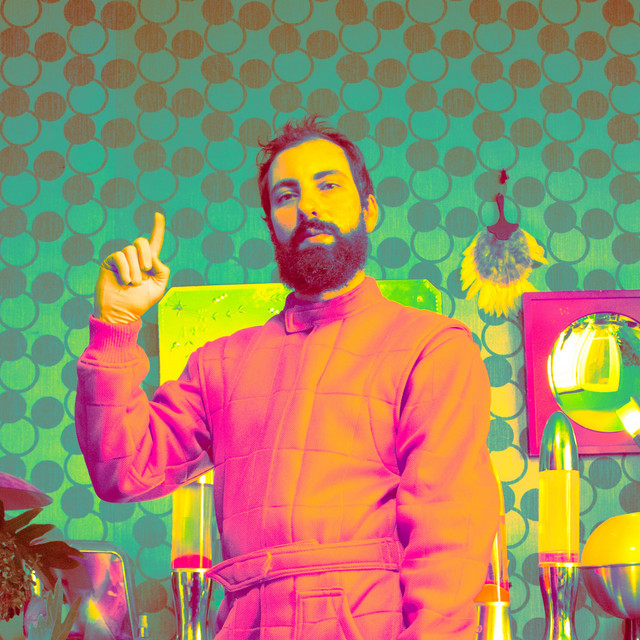






About Neo-psicodelia brasileira
Neo-psicodelia brasileira is a contemporary revival of Brazilian psychedelic rock that grows out of the 1960s Tropicalia legacy and the long line of experimental rock that followed. It doesn’t simply imitate a bygone sound; it reimagines it through modern production, global indie influences, and a distinctly Brazilian mood—dreamy, melancholic, riotously colorful.
The movement coalesced in the late 2000s and blossomed through the 2010s as a new generation of bands—often rooted in cities with rich DIY scenes like São Paulo, Goiânia, Recife, and Belo Horizonte—started blending fuzzed-out guitars, shimmering synths, and hypnotic basslines with MPB, samba-inflected rhythms, and garage-rock propulsion. Lyrics frequently roll in Portuguese, but the sonic vocabulary is wide: hazy shoegaze textures, motorik grooves, brass splashes, and paisley guitar solos sit beside warm analog keys and tape-echoed vocals. The result feels at once nostalgic and forward-looking, a bridge between Brazil’s tropical-pop tenderness and the jagged edge of contemporary indie rock.
Key ambassadors of the scene include bands that acknowledge their lineage while pushing it forward. On one hand, the neo-psicodelia brasileira looks back to Os Mutantes and the Tropicalia ethos as an ancestral flame—songs that invited playfulness, hybridization, and a willingness to bend genres. On the other hand, it leans on a new crop of groups that have earned international attention for their cohesive, lush visions. Boogarins, a Goiânia-based quartet, is widely regarded as a flagship act of the revival: their discography blends sunlit melodies, hypnotic guitar swirls, and immersive production, earning festival slots and critical notices across Europe and North America. Metá Metá—an experimental collective known for its Afro-beat, jazz-tinged explorations—expands the palette beyond traditional rock psych, infusing ritual percussion and improvisatory instincts into the Brazilian psych canon. São Paulo’s O Terno (with its retro-futurist take on pop and psych) is another touchstone, demonstrating how the movement can coexist with sharp songwriting and contemporary sensibilities. Together, these artists illustrate a scene that values texture, mood, and a sense of wonder as much as catchy hooks.
Geographically, the neo-psicodelia brasileira has flourished far beyond its Brazilian homeland, finding receptive audiences in Portugal, Spain, and other parts of Europe, as well as in Argentina, Chile, and the broader Latin American indie community. The music travels well in the streaming era, where Portuguese-language psych can breathe in international playlists while still speaking a Brazilian emotional tongue. Festivals, club shows, and curated label rosters have helped circulate these sounds worldwide, allowing curious listeners to discover the roots—the Tropicalia experiment that seeded the movement—and the present-day interpretations that push it into new sonic territories.
In short, neo-psicodelia brasileira is a vibrant, evolving dialogue: a Brazilian moodboard of reverb-drenched guitars, cosmic rhythms, and poetry in Portuguese, anchored by Goiânia’s sunlit drive and São Paulo’s urban grit, and carried to audiences around the world by bands that honor the past while fearlessly exploring the future.
The movement coalesced in the late 2000s and blossomed through the 2010s as a new generation of bands—often rooted in cities with rich DIY scenes like São Paulo, Goiânia, Recife, and Belo Horizonte—started blending fuzzed-out guitars, shimmering synths, and hypnotic basslines with MPB, samba-inflected rhythms, and garage-rock propulsion. Lyrics frequently roll in Portuguese, but the sonic vocabulary is wide: hazy shoegaze textures, motorik grooves, brass splashes, and paisley guitar solos sit beside warm analog keys and tape-echoed vocals. The result feels at once nostalgic and forward-looking, a bridge between Brazil’s tropical-pop tenderness and the jagged edge of contemporary indie rock.
Key ambassadors of the scene include bands that acknowledge their lineage while pushing it forward. On one hand, the neo-psicodelia brasileira looks back to Os Mutantes and the Tropicalia ethos as an ancestral flame—songs that invited playfulness, hybridization, and a willingness to bend genres. On the other hand, it leans on a new crop of groups that have earned international attention for their cohesive, lush visions. Boogarins, a Goiânia-based quartet, is widely regarded as a flagship act of the revival: their discography blends sunlit melodies, hypnotic guitar swirls, and immersive production, earning festival slots and critical notices across Europe and North America. Metá Metá—an experimental collective known for its Afro-beat, jazz-tinged explorations—expands the palette beyond traditional rock psych, infusing ritual percussion and improvisatory instincts into the Brazilian psych canon. São Paulo’s O Terno (with its retro-futurist take on pop and psych) is another touchstone, demonstrating how the movement can coexist with sharp songwriting and contemporary sensibilities. Together, these artists illustrate a scene that values texture, mood, and a sense of wonder as much as catchy hooks.
Geographically, the neo-psicodelia brasileira has flourished far beyond its Brazilian homeland, finding receptive audiences in Portugal, Spain, and other parts of Europe, as well as in Argentina, Chile, and the broader Latin American indie community. The music travels well in the streaming era, where Portuguese-language psych can breathe in international playlists while still speaking a Brazilian emotional tongue. Festivals, club shows, and curated label rosters have helped circulate these sounds worldwide, allowing curious listeners to discover the roots—the Tropicalia experiment that seeded the movement—and the present-day interpretations that push it into new sonic territories.
In short, neo-psicodelia brasileira is a vibrant, evolving dialogue: a Brazilian moodboard of reverb-drenched guitars, cosmic rhythms, and poetry in Portuguese, anchored by Goiânia’s sunlit drive and São Paulo’s urban grit, and carried to audiences around the world by bands that honor the past while fearlessly exploring the future.