Genre
neo soul-jazz
Top Neo soul-jazz Artists
Showing 16 of 16 artists

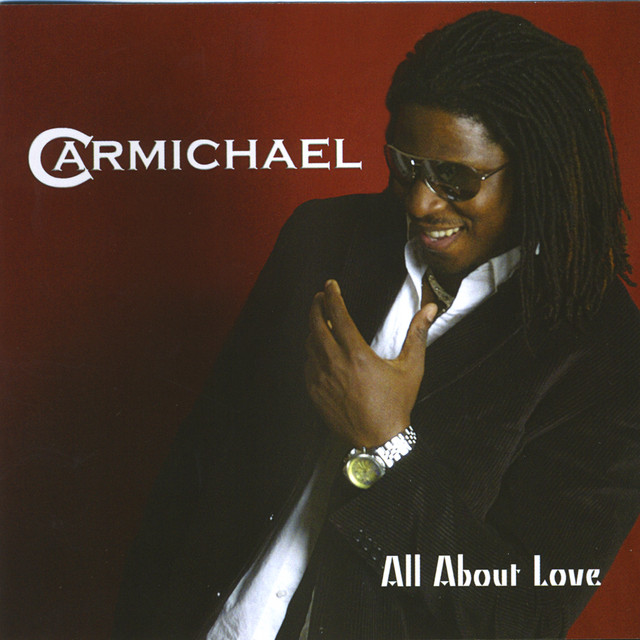



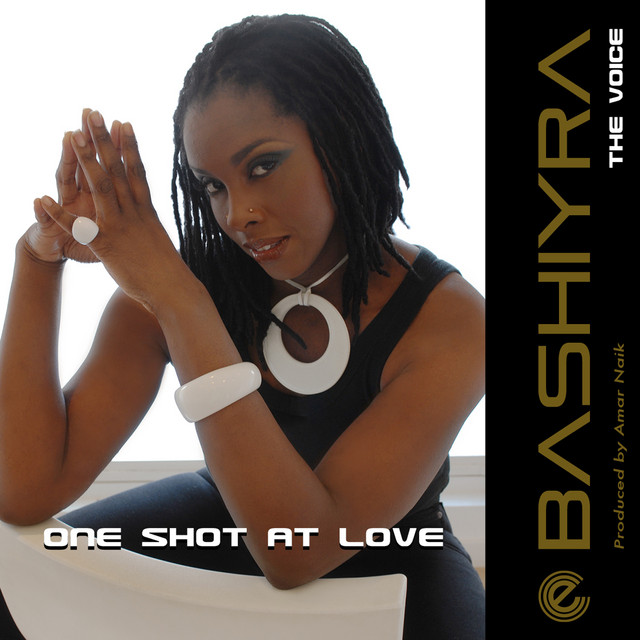
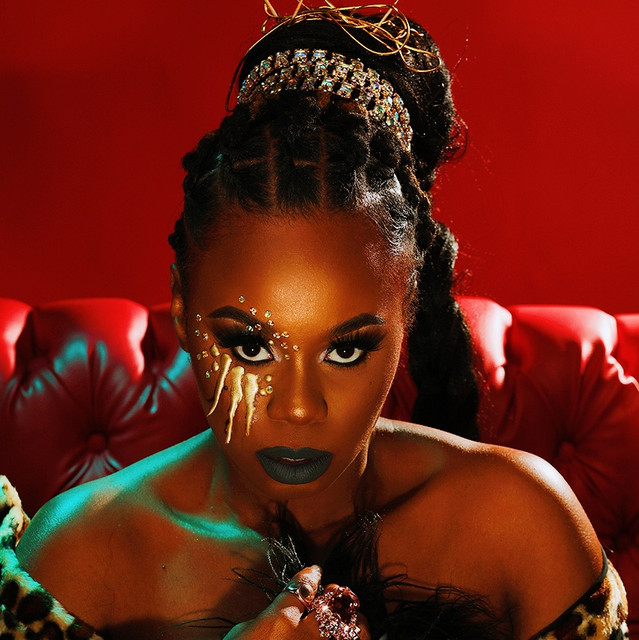

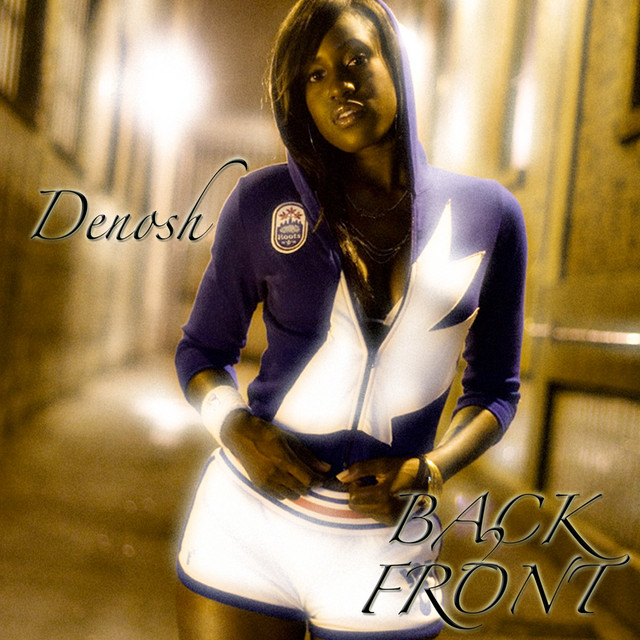

About Neo soul-jazz
Neo soul-jazz is a contemporary fusion that sits at the crossroads of velvet-smooth neo-soul aesthetics and the improvisational freedom of jazz. It blends warm vocal textures and intimate groove with harmonic sophistication, extended improvisation, and a lean, often hypnotic instrumental palette. The result is music that feels both personal and exploratory—perfect for focused listening, intimate clubs, and those “this is new but it already sounds timeless” moments.
Origins are anchored in a broader neo-soul movement that rose to prominence in the mid-1990s in the United States, led by artists like Erykah Badu, D’Angelo, Lauryn Hill, and Jill Scott. They reimagined R&B with jazz-inflected harmonies, organic live ensembles, and a spiritual, introspective bent. In the 2000s, jazz players and producers began weaving these sensibilities with core jazz language—improvisation, modal harmony, and groove-driven arrangements—creating a bridge between soul warmth and jazz’s exploratory drive. By the late 2000s and into the 2010s, critics and listeners started talking about a distinct “neo soul-jazz” strand: a mode in which gospel and soul timbres sit alongside modern jazz harmonic depth and rhythmic swing.
Several ambassadors have helped define and propel the sound. Robert Glasper stands at the center of the scene, his projects as the Robert Glasper Experiment blending precise piano, hip-hop-influenced beats, and soulful vocal performances on albums like Black Radio (2012) and subsequent releases, signaling a new era of accessible yet intellectually charged jazz. Kamasi Washington expanded the language with his expansive The Epic (2015) and subsequent work, marrying spiritual jazz grandeur with a modern, groove-aware sensibility that resonates with neo-soul audiences. Cory Henry, with his gospel-rooted organ finesse and the Funk Apostles, channels soulful gospel into tight, gospel-jazz-funk performances. José James brings a smoky, intimate vocal approach that sits comfortably beside contemporary R&B textures. Beyond them, figures like Esperanza Spalding and the instrumental groups Snarky Puppy and Brandee Younger have broadened the palette—piano, bass, horn lines, and virtuosic improvisation threaded through soulful phrasing.
Geographically, the genre’s home base is the United States, but its appeal travels. It thrives wherever there are vibrant contemporary jazz scenes and open-eared listeners: the United Kingdom, mainland Europe, and increasingly Japan, Canada, and parts of Asia and Australia. Cities with strong jazz clubs, immersive listening cultures, and a love of soul—New York, Los Angeles, Chicago, London, Paris, Tokyo—have become welcoming stages for neo soul-jazz artists.
Listening comes with its own expectations: expect warm Rhodes and piano textures, restrained drum patterns or live groove sections, lyrical vocal lines or intimate instrumental leads, and an emphasis on mood as much as technique. Albums and tracks to start with include Glasper’s Black Radio; Kamasi Washington’s The Epic; José James’ No Beginning No End; Cory Henry & The Funk Apostles’ The Revival; and Esperanza Spalding’s Chamber Music Society. For enthusiasts, neo soul-jazz is less a single sound than a movement—a living conversation between the soul’s tenderness and jazz’s restless curiosity.
Origins are anchored in a broader neo-soul movement that rose to prominence in the mid-1990s in the United States, led by artists like Erykah Badu, D’Angelo, Lauryn Hill, and Jill Scott. They reimagined R&B with jazz-inflected harmonies, organic live ensembles, and a spiritual, introspective bent. In the 2000s, jazz players and producers began weaving these sensibilities with core jazz language—improvisation, modal harmony, and groove-driven arrangements—creating a bridge between soul warmth and jazz’s exploratory drive. By the late 2000s and into the 2010s, critics and listeners started talking about a distinct “neo soul-jazz” strand: a mode in which gospel and soul timbres sit alongside modern jazz harmonic depth and rhythmic swing.
Several ambassadors have helped define and propel the sound. Robert Glasper stands at the center of the scene, his projects as the Robert Glasper Experiment blending precise piano, hip-hop-influenced beats, and soulful vocal performances on albums like Black Radio (2012) and subsequent releases, signaling a new era of accessible yet intellectually charged jazz. Kamasi Washington expanded the language with his expansive The Epic (2015) and subsequent work, marrying spiritual jazz grandeur with a modern, groove-aware sensibility that resonates with neo-soul audiences. Cory Henry, with his gospel-rooted organ finesse and the Funk Apostles, channels soulful gospel into tight, gospel-jazz-funk performances. José James brings a smoky, intimate vocal approach that sits comfortably beside contemporary R&B textures. Beyond them, figures like Esperanza Spalding and the instrumental groups Snarky Puppy and Brandee Younger have broadened the palette—piano, bass, horn lines, and virtuosic improvisation threaded through soulful phrasing.
Geographically, the genre’s home base is the United States, but its appeal travels. It thrives wherever there are vibrant contemporary jazz scenes and open-eared listeners: the United Kingdom, mainland Europe, and increasingly Japan, Canada, and parts of Asia and Australia. Cities with strong jazz clubs, immersive listening cultures, and a love of soul—New York, Los Angeles, Chicago, London, Paris, Tokyo—have become welcoming stages for neo soul-jazz artists.
Listening comes with its own expectations: expect warm Rhodes and piano textures, restrained drum patterns or live groove sections, lyrical vocal lines or intimate instrumental leads, and an emphasis on mood as much as technique. Albums and tracks to start with include Glasper’s Black Radio; Kamasi Washington’s The Epic; José James’ No Beginning No End; Cory Henry & The Funk Apostles’ The Revival; and Esperanza Spalding’s Chamber Music Society. For enthusiasts, neo soul-jazz is less a single sound than a movement—a living conversation between the soul’s tenderness and jazz’s restless curiosity.