Genre
nepali pop
Top Nepali pop Artists
Showing 25 of 104 artists










About Nepali pop
Nepali pop is the contemporary heartbeat of Nepal’s music scene, a genre that threads traditional melodies through the loom of Western pop production. It is not a single sound but a constellation of styles—melodic ballads, glossy synth-pop, light rock, and indie-folk—sung in Nepali and, increasingly, in other Nepal languages. The term gained currency as private studios, media channels, and a generation of writers embraced pop clarity, singability, and lyric intimacy. For music enthusiasts, Nepali pop offers a map of Nepal’s modern identity: rooted in the hillside and city alike, propelled by diaspora circuits, and continually reimagined through collaboration with Indian and Western producers. The sonic palette ranges from warm acoustic ballads to glossy, radio-ready synth-pop, with producers layering guitars, piano, and light percussion to keep the sound accessible. Lyrics often circle love, identity, urban youth, and the realities of migration and diaspora life.
It began to crystallize in the late 1990s and early 2000s as Nepal opened to satellite TV, private radio, and home recording. The post-royal era and the explosion of internet access fed a vibrant scene where singer-songwriters could craft Nepali-language songs with pop-friendly hooks, while established film songs kept the emotional core of the language intact. Over the next decade, bands and solo artists fused catchy guitar-driven melodies with cinematic production, giving birth to a distinct pop sensibility that could ride radio airplay and live venues alike. The rise of music videos, independent labels, and online platforms further broadened the reach beyond Kathmandu to regional towns and the global Nepali-speaking diaspora.
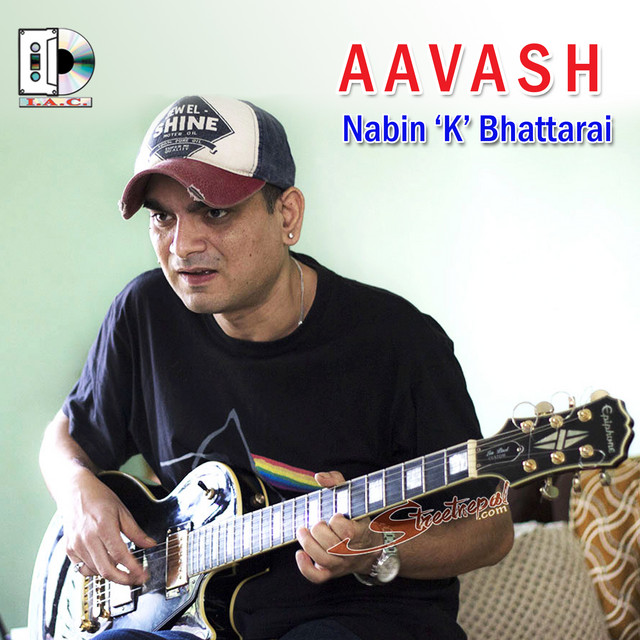
Among its ambassadors, several names stand out for shaping the contemporary sound. Nabin K. Bhattarai helped popularize the modern Nepali pop-rock voice with lyric-driven romance and accessible hooks. Sabin Rai, a defining figure of the early 2000s crossover between pop and rock, brought a moody, urban sensibility to the mainstream. Anju Panta, often called the queen of Nepali pop, has been a touchstone for expressive vocal lines and melodic phrasing. The band 1974 AD offered pop-rock anthems that resonated with both old-school fans and newer listeners. In more recent years, Sajjan Raj Vaidya has pushed the form toward songwriter-led, intimate pop with crisp production, while Melina Rai has become a prominent voice for contemporary Nepali pop across genres and languages. These artists, among others, act as cultural ambassadors, showing how Nepali pop can function as both accessible entertainment and a vehicle for artistic storytelling.
While Nepal remains the heartbeat—Kathmandu’s cafés, studios, and concert venues fueling most activity—the genre travels far. Nepali pop has found audiences among the Nepali diaspora in India’s Northeast and Sikkim, the Gulf states, the UK, the United States, Canada, and Australia. In these communities, local concerts, social media, and streaming platforms sustain the music between visits home. Collaborations across borders—Indian producers, Nepalese indie labels, and Western collaborators—have further broadened its textures, creating hybrids that retain a distinctly Nepali tonal core. For enthusiasts, Nepali pop offers both familiarity and discovery: a discipline of craft where affectionately woven melodies meet contemporary production, and where songs can sound intimate yet win large-scale resonance. It remains a living genre, always in motion as new voices enter the frame.
It began to crystallize in the late 1990s and early 2000s as Nepal opened to satellite TV, private radio, and home recording. The post-royal era and the explosion of internet access fed a vibrant scene where singer-songwriters could craft Nepali-language songs with pop-friendly hooks, while established film songs kept the emotional core of the language intact. Over the next decade, bands and solo artists fused catchy guitar-driven melodies with cinematic production, giving birth to a distinct pop sensibility that could ride radio airplay and live venues alike. The rise of music videos, independent labels, and online platforms further broadened the reach beyond Kathmandu to regional towns and the global Nepali-speaking diaspora.
Among its ambassadors, several names stand out for shaping the contemporary sound. Nabin K. Bhattarai helped popularize the modern Nepali pop-rock voice with lyric-driven romance and accessible hooks. Sabin Rai, a defining figure of the early 2000s crossover between pop and rock, brought a moody, urban sensibility to the mainstream. Anju Panta, often called the queen of Nepali pop, has been a touchstone for expressive vocal lines and melodic phrasing. The band 1974 AD offered pop-rock anthems that resonated with both old-school fans and newer listeners. In more recent years, Sajjan Raj Vaidya has pushed the form toward songwriter-led, intimate pop with crisp production, while Melina Rai has become a prominent voice for contemporary Nepali pop across genres and languages. These artists, among others, act as cultural ambassadors, showing how Nepali pop can function as both accessible entertainment and a vehicle for artistic storytelling.
While Nepal remains the heartbeat—Kathmandu’s cafés, studios, and concert venues fueling most activity—the genre travels far. Nepali pop has found audiences among the Nepali diaspora in India’s Northeast and Sikkim, the Gulf states, the UK, the United States, Canada, and Australia. In these communities, local concerts, social media, and streaming platforms sustain the music between visits home. Collaborations across borders—Indian producers, Nepalese indie labels, and Western collaborators—have further broadened its textures, creating hybrids that retain a distinctly Nepali tonal core. For enthusiasts, Nepali pop offers both familiarity and discovery: a discipline of craft where affectionately woven melodies meet contemporary production, and where songs can sound intimate yet win large-scale resonance. It remains a living genre, always in motion as new voices enter the frame.