Genre
korean singer-songwriter
Top Korean singer-songwriter Artists
Showing 10 of 10 artists
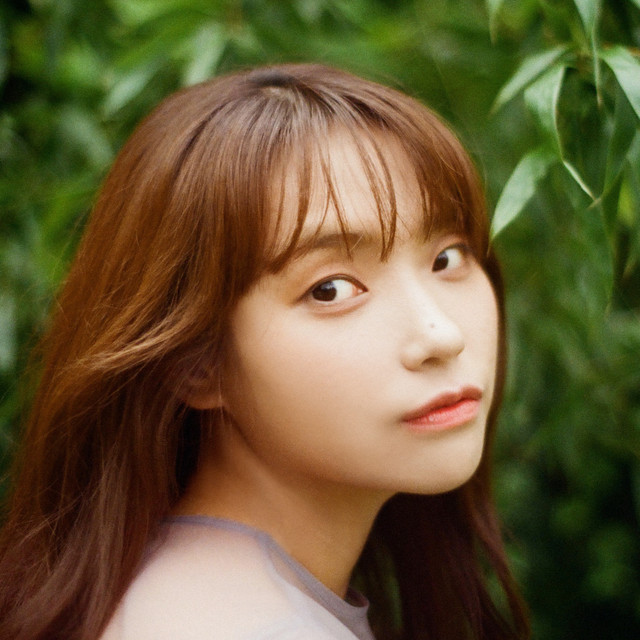
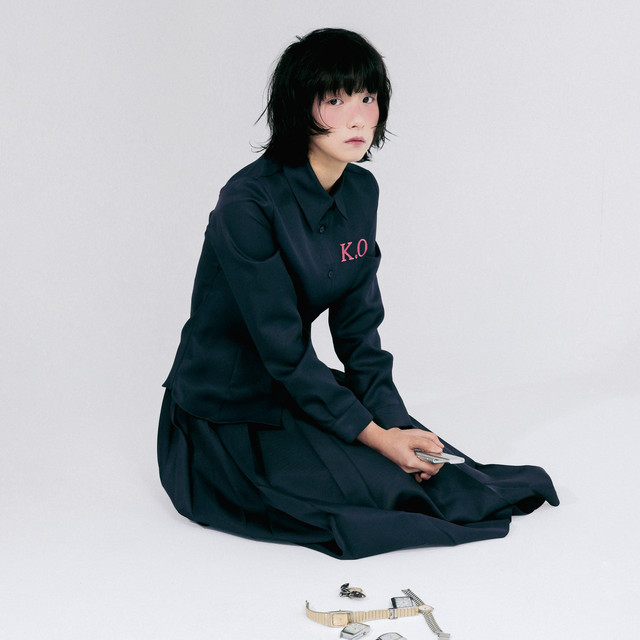
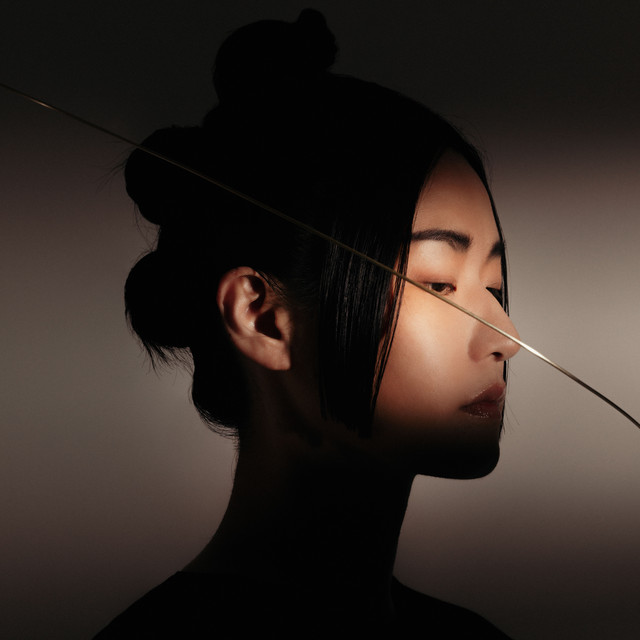

8
이장희
750
914 listeners
About Korean singer-songwriter
Korean singer-songwriter is a closely watched strand of Korea’s contemporary music scene rooted in self-authored, often intimate songs that lean toward folk, acoustic, and melodic indie rock textures. It centers on artists who write, compose and perform their own material in Korean, prioritizing lyrical storytelling, personal mood, and songwriter’s craft over big-scale idol arsenals. The result is a spectrum that can feel spare and reflective one moment and quietly expansive the next, with a strong emphasis on voice, guitar or piano, and observant observation of daily life.
The genre’s modern birth is tied to Korea’s late-20th-century folk and rock traditions, but it truly began to take shape in the 1990s and 2000s as indie clubs, small venues and open-mic spaces in Seoul’s Hongdae district created a fertile ecosystem for lyric-driven music. Before this, composers like Shin Joong-hyun and the broader folk-rock lineage laid groundwork, but the singer-songwriter identity crystallized as artists began performing their own songs with more direct storytelling. A pivotal figure often cited by fans and scholars is Kim Kwang-seok, whose poignant, guitar-driven ballads in the late 1980s and early 1990s became a touchstone for generations of aspiring songwriter-performers. His influence survives in the emphasis on lyrical depth and emotionally honest delivery that characterizes many contemporary Korean singer-songwriters.
In the 2000s and beyond, the scene diversified. You see a blend of acoustic confessionals, piano-led storytelling, and indie-pop-inflected tunes. Figures like Yoo Hee-yeol, a veteran singer‑songwriter who led the pop-adjacent project Toy, helped bring a songwriter-centric sensibility into the wider public spotlight. The more conspicuous modern ambassadors include Busker Busker’s Jang Beom-jun, whose 2011-2012 breakout captured a broad audience with melodic, singable tunes that feel rooted in everyday life; Oh Hyuk of Hyukoh, whose indie-rock songwriting carved a new template for youth-oriented introspection; and other prolific writers such as Kim Dong-ryool and Park Ji-yoon’s contemporaries who continue to show the genre’s versatility. Beyond the stars of pop-leaning indie canons, artists like Lee So-ra or Paul Kim illustrate how the tradition can straddle intimate, acoustic confessionals and mainstream radio-friendly storytelling.
Geographically, the genre is most deeply anchored in South Korea, where the audience rewards the craft of the writer-artist and the intimacy of private-venue performances. It also enjoys international resonance among Korean-speaking communities and global indie listeners who seek Korean-language storytelling with a distinctive melodic sense. In markets with strong indie or folk scenes—Japan, parts of Southeast Asia, and Western cities with robust Korean diaspora communities—singersongwriter work finds receptive ears, especially when streamed or performed live in intimate settings.
For enthusiasts, the Korean singer-songwriter scene offers a high-value map of lyric-focused artistry: the warmth of a well-placed guitar figure, the clarity of a candid vocal take, and the sense that the artist’s pen is guiding the mood. Albums and tracks by Kim Kwang-seok, Busker Busker, Hyukoh, Park Dong-ryul, Lee Sora, and Paul Kim are good entry points—entries that reveal how personal, well-crafted songs can carry universal feeling across borders.
The genre’s modern birth is tied to Korea’s late-20th-century folk and rock traditions, but it truly began to take shape in the 1990s and 2000s as indie clubs, small venues and open-mic spaces in Seoul’s Hongdae district created a fertile ecosystem for lyric-driven music. Before this, composers like Shin Joong-hyun and the broader folk-rock lineage laid groundwork, but the singer-songwriter identity crystallized as artists began performing their own songs with more direct storytelling. A pivotal figure often cited by fans and scholars is Kim Kwang-seok, whose poignant, guitar-driven ballads in the late 1980s and early 1990s became a touchstone for generations of aspiring songwriter-performers. His influence survives in the emphasis on lyrical depth and emotionally honest delivery that characterizes many contemporary Korean singer-songwriters.
In the 2000s and beyond, the scene diversified. You see a blend of acoustic confessionals, piano-led storytelling, and indie-pop-inflected tunes. Figures like Yoo Hee-yeol, a veteran singer‑songwriter who led the pop-adjacent project Toy, helped bring a songwriter-centric sensibility into the wider public spotlight. The more conspicuous modern ambassadors include Busker Busker’s Jang Beom-jun, whose 2011-2012 breakout captured a broad audience with melodic, singable tunes that feel rooted in everyday life; Oh Hyuk of Hyukoh, whose indie-rock songwriting carved a new template for youth-oriented introspection; and other prolific writers such as Kim Dong-ryool and Park Ji-yoon’s contemporaries who continue to show the genre’s versatility. Beyond the stars of pop-leaning indie canons, artists like Lee So-ra or Paul Kim illustrate how the tradition can straddle intimate, acoustic confessionals and mainstream radio-friendly storytelling.
Geographically, the genre is most deeply anchored in South Korea, where the audience rewards the craft of the writer-artist and the intimacy of private-venue performances. It also enjoys international resonance among Korean-speaking communities and global indie listeners who seek Korean-language storytelling with a distinctive melodic sense. In markets with strong indie or folk scenes—Japan, parts of Southeast Asia, and Western cities with robust Korean diaspora communities—singersongwriter work finds receptive ears, especially when streamed or performed live in intimate settings.
For enthusiasts, the Korean singer-songwriter scene offers a high-value map of lyric-focused artistry: the warmth of a well-placed guitar figure, the clarity of a candid vocal take, and the sense that the artist’s pen is guiding the mood. Albums and tracks by Kim Kwang-seok, Busker Busker, Hyukoh, Park Dong-ryul, Lee Sora, and Paul Kim are good entry points—entries that reveal how personal, well-crafted songs can carry universal feeling across borders.