Genre
new age piano
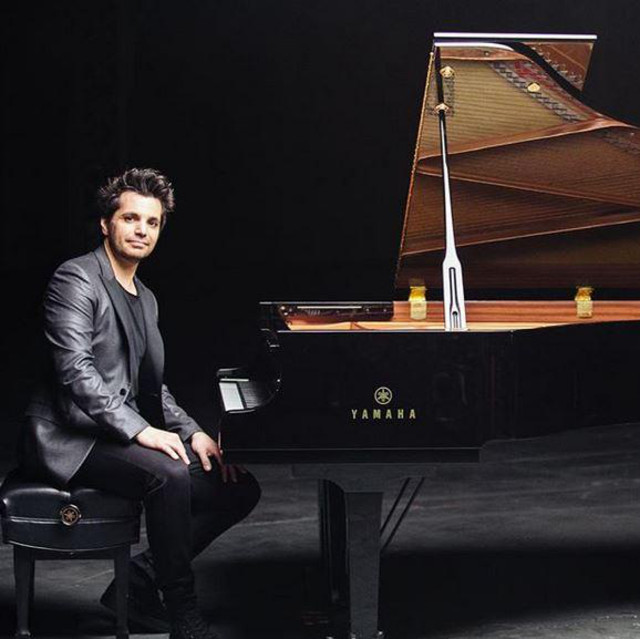
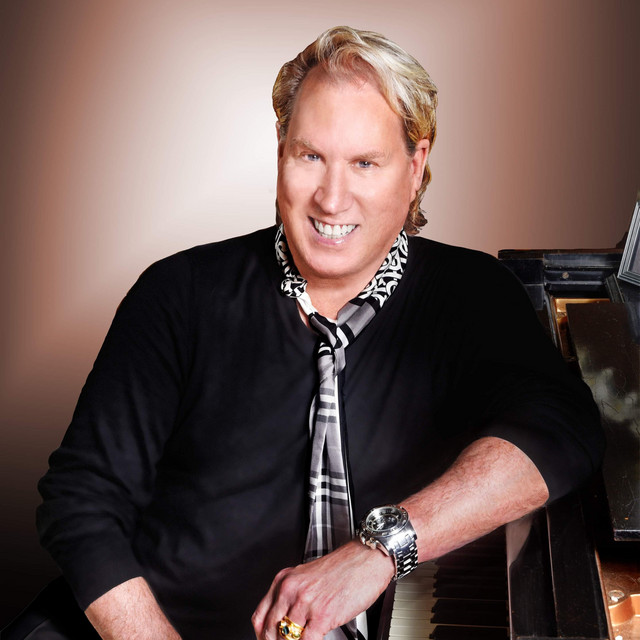
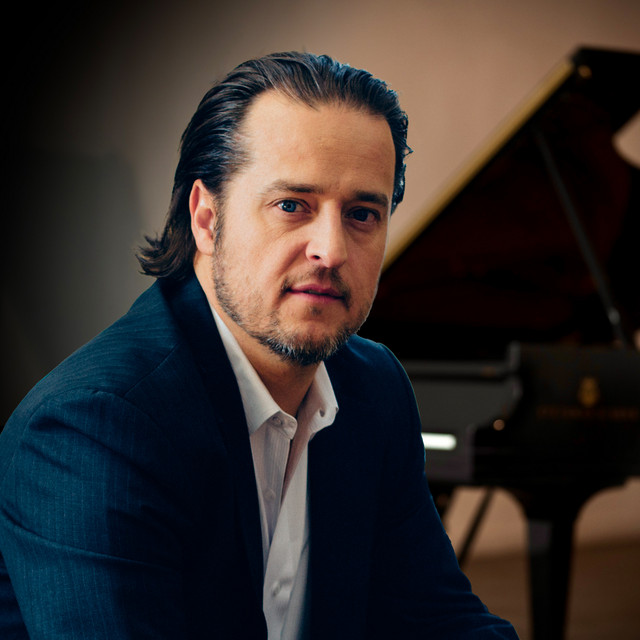
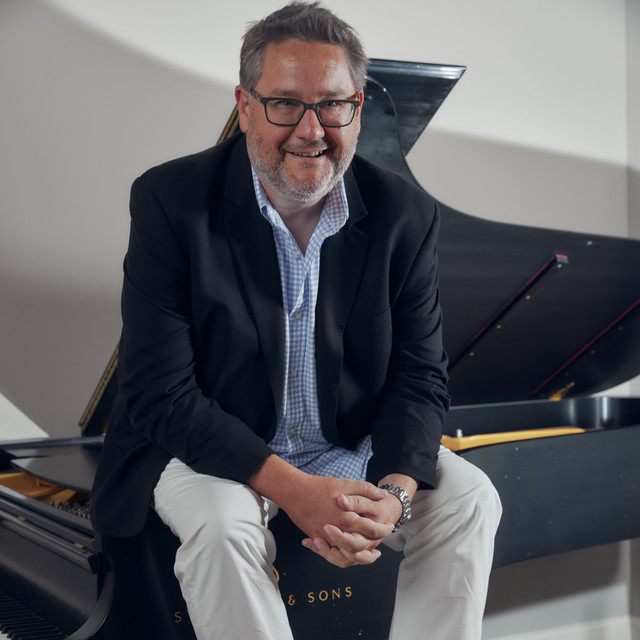
Top New age piano Artists
Showing 25 of 54 artists









About New age piano
New age piano is a spacious, soothing branch of the broader new age movement, where the piano leads listeners into contemplative, atmospheric soundscapes. It emphasizes melodic clarity, generous open space, and restrained dynamics over flashy virtuosity. The result is music that often feels like a soundtrack for inward journeys, nature scenes, or quiet evenings: intimate, cinematic, and gently meditative.
Origins and birth: The new age movement took shape in the late 1970s and 1980s in the United States and Europe, drawing on ambient textures, minimalism, folk-inflected melodies, and world-music influences. Solo piano emerged as one of its defining strands as composers sought to evoke serenity, spirituality, or a sense of timeless place without relying on heavy electronics or operatic climaxes. A critical engine behind this development was Windham Hill Records, a California-based label founded by Will Ackerman in 1976. It nurtured a generation of pianists and guitarist-composers who forged a distinctly serene, almost sanctuary-like harmonic language. By the 1980s and into the 1990s, the genre’s piano voice—clear, lyrical, sometimes sparse—had become a recognizable pillar of the broader scene.
Key artists and ambassadors: George Winston is widely regarded as a defining figure in new age piano. His stripped-down, melodic approach—think autumnal moods, rural imagery, and folk-inflected phrasing—popularized the sound far beyond the early experimental circles. David Lanz followed with lush, cinematic suites that paint landscapes and memories with eloquent, easy-to-access melodies. Philip Aaberg brought a fusion-informed sensibility, combining folk, jazz-influenced lines, and expansive atmospheres into his piano work. Scott Cossu offered pristine, gently swinging pieces that became a touchstone for many listeners seeking serenity through piano. Jim Brickman helped propel new age piano into mainstream adult contemporary markets with warm, emotionally direct tunes that still feel intimate. On a larger scale, Yanni’s triumphant, orchestral approach showcased how piano-centered music could roam across stadiums and cross over to broad audiences, while Kitaro contributed lush, synthesized textures that enriched the mood-driven vocabulary of the genre. Together, these artists represent the spectrum—from intimate solo piano to cinematic, symphonic constructions—that defines the field.
Geography and popularity: New age piano has found its strongest footholds in the United States and parts of Europe (notably the United Kingdom, Germany, and Scandinavia). Japan has also been an active and influential market, reinforcing the cross-cultural appeal of shimmering, reflective piano tones. The genre’s popularity is often tied to wellness, mindfulness, spa culture, and soundtrack aesthetics, so it frequently appears in yoga classes, meditation playlists, and film cues.
Culture and listening context: For enthusiasts, new age piano offers a bridge between accessibility and depth. It invites repeat listening, micro-detail discovery, and a sense of calm that can coexist with emotional nuance. Its modern iterations continue to fuse traditional piano with ambient textures, light electronics, and minimalist progressions, ensuring the genre remains both nostalgic and freshly contemporary. This is music that rewards attentive listening as a personal space of respite, imagination, and quiet wonder.
Origins and birth: The new age movement took shape in the late 1970s and 1980s in the United States and Europe, drawing on ambient textures, minimalism, folk-inflected melodies, and world-music influences. Solo piano emerged as one of its defining strands as composers sought to evoke serenity, spirituality, or a sense of timeless place without relying on heavy electronics or operatic climaxes. A critical engine behind this development was Windham Hill Records, a California-based label founded by Will Ackerman in 1976. It nurtured a generation of pianists and guitarist-composers who forged a distinctly serene, almost sanctuary-like harmonic language. By the 1980s and into the 1990s, the genre’s piano voice—clear, lyrical, sometimes sparse—had become a recognizable pillar of the broader scene.
Key artists and ambassadors: George Winston is widely regarded as a defining figure in new age piano. His stripped-down, melodic approach—think autumnal moods, rural imagery, and folk-inflected phrasing—popularized the sound far beyond the early experimental circles. David Lanz followed with lush, cinematic suites that paint landscapes and memories with eloquent, easy-to-access melodies. Philip Aaberg brought a fusion-informed sensibility, combining folk, jazz-influenced lines, and expansive atmospheres into his piano work. Scott Cossu offered pristine, gently swinging pieces that became a touchstone for many listeners seeking serenity through piano. Jim Brickman helped propel new age piano into mainstream adult contemporary markets with warm, emotionally direct tunes that still feel intimate. On a larger scale, Yanni’s triumphant, orchestral approach showcased how piano-centered music could roam across stadiums and cross over to broad audiences, while Kitaro contributed lush, synthesized textures that enriched the mood-driven vocabulary of the genre. Together, these artists represent the spectrum—from intimate solo piano to cinematic, symphonic constructions—that defines the field.
Geography and popularity: New age piano has found its strongest footholds in the United States and parts of Europe (notably the United Kingdom, Germany, and Scandinavia). Japan has also been an active and influential market, reinforcing the cross-cultural appeal of shimmering, reflective piano tones. The genre’s popularity is often tied to wellness, mindfulness, spa culture, and soundtrack aesthetics, so it frequently appears in yoga classes, meditation playlists, and film cues.
Culture and listening context: For enthusiasts, new age piano offers a bridge between accessibility and depth. It invites repeat listening, micro-detail discovery, and a sense of calm that can coexist with emotional nuance. Its modern iterations continue to fuse traditional piano with ambient textures, light electronics, and minimalist progressions, ensuring the genre remains both nostalgic and freshly contemporary. This is music that rewards attentive listening as a personal space of respite, imagination, and quiet wonder.