Genre
new jack swing
Top New jack swing Artists
Showing 25 of 749 artists

About New jack swing
New jack swing is a defining late-1980s fusion of R&B, funk, hip-hop, and pop that brought the street-ready energy of rap rhythms into polished urban soul. It isn’t merely a set of glossy productions; it was a cultural movement that rewired how R&B sounded on radio and on the dance floor. The sound is built around punchy, swung drum patterns, tight keyboard grooves, and soulful vocal melodies that could ride a hip-hop rhythm without losing the smooth vocal cadence that defines contemporary R&B.
The birth of the genre is generally anchored in the mid-to-late 1980s, with the core engine driven by Teddy Riley, a prolific producer and artist whose work with Guy helped crystallize the formula. Riley’s productions—especially on Bobby Brown’s 1988 album Dont Be Cruel—became the archetype: hard-hitting drum machines, soaring hooks, crisp synths, and a swaggering tempo that sat between traditional R&B ballads and streetwise hip-hop. Around the same time, Riley and his peers at the time (artists and producers in the Uptown Records milieu and beyond) pushed a new sense of rhythm and swagger that would define the sound through the early 1990s. The result was a line of records that could swing dancers to the floor while keeping R&B’s lush vocal presence front and center.
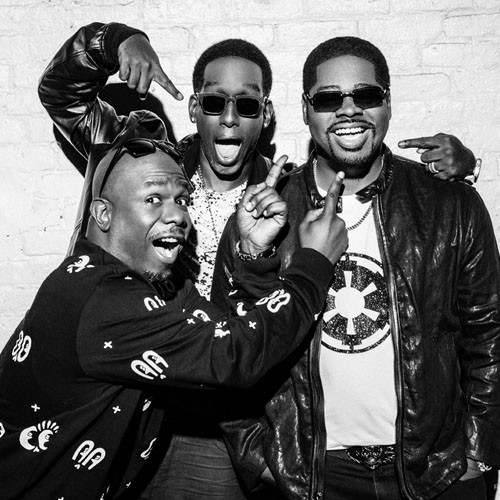
Key artists and ambassadors of new jack swing include Teddy Riley himself, along with his groups Guy and later Blackstreet, who carried the sound into the 1990s. Other emblematic acts are Bell Biv DeVoe with Poison (1990), whose track styling fused pop hooks with the genre’s hip-hop-tinged drums; Jodeci, whose early-1990s records blended sensuality with the same rhythmic aggression; and Al B. Sure!, whose catalog sits in the same orbit of polished, street-smart R&B. The era also saw acts like Bobby Brown pushing the sound into mainstream pop culture, helping new jack swing dominate radio playlists and club rotations. In short, the movement wasn’t a single album or single artist so much as a constellation of producers and performers who shared a confidence in blending rap’s rhythmic edge with R&B’s melodic vocal prowess.
Geographically, new jack swing was most popular in the United States, where it defined late-80s/early-90s R&B radio and urban party culture. It enjoyed strong followings in the United Kingdom and parts of Europe, and it found receptive audiences in Japan and other parts of Asia, where the stylish production and danceable grooves aligned well with local club scenes and contemporary pop programming. The genre’s influence extended beyond its peak years, seeping into the broader evolution of urban contemporary and hip-hop soul, shaping the production sensibilities of early-1990s R&B and helping set the stage for later movements that fused hip-hop with soulful vocal delivery.
Today, new jack swing is remembered for its swaggering vitality and as a bridge between 1980s boogie-funk R&B and the more hip-hop–inflected sounds that would define 1990s urban music. Its legacy lives on in the way modern R&B producers blend groove-centric drum programming with lush vocal harmonies, and in the perpetual fascination of music enthusiasts with that crisp, swing-forward groove that sounded both streetwise and futuristic.
The birth of the genre is generally anchored in the mid-to-late 1980s, with the core engine driven by Teddy Riley, a prolific producer and artist whose work with Guy helped crystallize the formula. Riley’s productions—especially on Bobby Brown’s 1988 album Dont Be Cruel—became the archetype: hard-hitting drum machines, soaring hooks, crisp synths, and a swaggering tempo that sat between traditional R&B ballads and streetwise hip-hop. Around the same time, Riley and his peers at the time (artists and producers in the Uptown Records milieu and beyond) pushed a new sense of rhythm and swagger that would define the sound through the early 1990s. The result was a line of records that could swing dancers to the floor while keeping R&B’s lush vocal presence front and center.
Key artists and ambassadors of new jack swing include Teddy Riley himself, along with his groups Guy and later Blackstreet, who carried the sound into the 1990s. Other emblematic acts are Bell Biv DeVoe with Poison (1990), whose track styling fused pop hooks with the genre’s hip-hop-tinged drums; Jodeci, whose early-1990s records blended sensuality with the same rhythmic aggression; and Al B. Sure!, whose catalog sits in the same orbit of polished, street-smart R&B. The era also saw acts like Bobby Brown pushing the sound into mainstream pop culture, helping new jack swing dominate radio playlists and club rotations. In short, the movement wasn’t a single album or single artist so much as a constellation of producers and performers who shared a confidence in blending rap’s rhythmic edge with R&B’s melodic vocal prowess.
Geographically, new jack swing was most popular in the United States, where it defined late-80s/early-90s R&B radio and urban party culture. It enjoyed strong followings in the United Kingdom and parts of Europe, and it found receptive audiences in Japan and other parts of Asia, where the stylish production and danceable grooves aligned well with local club scenes and contemporary pop programming. The genre’s influence extended beyond its peak years, seeping into the broader evolution of urban contemporary and hip-hop soul, shaping the production sensibilities of early-1990s R&B and helping set the stage for later movements that fused hip-hop with soulful vocal delivery.
Today, new jack swing is remembered for its swaggering vitality and as a bridge between 1980s boogie-funk R&B and the more hip-hop–inflected sounds that would define 1990s urban music. Its legacy lives on in the way modern R&B producers blend groove-centric drum programming with lush vocal harmonies, and in the perpetual fascination of music enthusiasts with that crisp, swing-forward groove that sounded both streetwise and futuristic.