Genre
new mexico music
Top New mexico music Artists
Showing 23 of 23 artists




About New mexico music
New Mexico music is a regional American sound that grows from the cultural crossroads of the state’s northern Hispanic communities, the rural Southwest, and borderland exchange. It isn’t a single fixed style, but a family of sounds linked by shared roots in Spanish-language folk, ranchera, Norteño and Tejano influences, mixed with country, Western swing, and, in some strands, Indigenous musical traditions. The result is a warm, narrative-driven flavor that can feel intimate and folky one moment, and exuberant and danceable the next.
Historically, New Mexico music began to take shape in the mid-20th century as local musicians in places like Santa Fe, Española, Taos, and Albuquerque integrated what they heard on regional radios, at rodeos, and in family gatherings. The combination of accordion, bajo sexto, guitars, bass, and drums became a defining sonic palette, often anchored by storytelling lyrics that celebrate love, family, daily life, faith, and the vast desert landscapes that define the state. A hallmark of many NM songs is bilingual or Spanish-dominant lyrics, weaving traditional themes with contemporary sensibilities, and a sense of place that feels steeped in the high desert and the adobe towns of the plains and mountains.
Instruments and form give New Mexico music its distinct color. The accordion and bajo sexto nod to conjunto and Norteño traditions, while guitar-driven ballads and uptempo rancheras evoke Mexican folk and country influences. Yet the music also embraces a Southwestern sense of humor and resilience, frequently featuring warm vocal harmonies, expressive storytelling, and a readiness to blend English phrases with Spanish phrases in a way that reflects everyday life in borderlands communities.
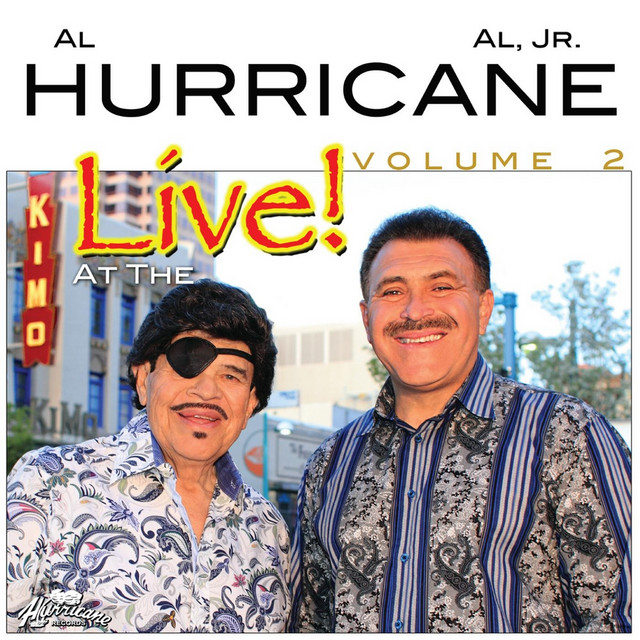
Key moments in the genre’s evolution are tied to cultural ambassadors who helped bring NM sounds beyond local dance halls. Al Hurricane, often celebrated as the Godfather of New Mexico music, stands as one of the genre’s most enduring icons. His multilingual catalog—songs that celebrate life in New Mexico while bridging generations—helped define the sound for decades. Another important advocate from the broader New Mexico scene is Robert Mirabal, a Pueblo musician whose flute-centered compositions and cross-cultural collaborations highlight the state’s Native and Hispanic musical dialogues. These figures, among others, illustrate how New Mexico music functions not only as entertainment but as a vehicle for regional identity and intergenerational storytelling.
Today, New Mexico music continues to evolve, while staying deeply rooted in its regional origins. Contemporary artists incorporate pop, rock, and indie influences, expanding the sound without losing the sense of place that makes NM music distinct. The genre enjoys its strongest following in the United States—especially within New Mexico, Texas, Arizona, and other parts of the Southwest—with a growing presence in northern Mexico and among the broader Latin music community through festivals, radio, and streaming platforms.
For enthusiasts, listening to New Mexico music is an invitation to hear how a community preserves language, memory, and landscape through song. It’s about the way a chorus can echo across a dusty plaza at dusk, the way a story can unfold in Spanish and English, and how the high desert and mesa skies become a living, audible portrait.
Historically, New Mexico music began to take shape in the mid-20th century as local musicians in places like Santa Fe, Española, Taos, and Albuquerque integrated what they heard on regional radios, at rodeos, and in family gatherings. The combination of accordion, bajo sexto, guitars, bass, and drums became a defining sonic palette, often anchored by storytelling lyrics that celebrate love, family, daily life, faith, and the vast desert landscapes that define the state. A hallmark of many NM songs is bilingual or Spanish-dominant lyrics, weaving traditional themes with contemporary sensibilities, and a sense of place that feels steeped in the high desert and the adobe towns of the plains and mountains.
Instruments and form give New Mexico music its distinct color. The accordion and bajo sexto nod to conjunto and Norteño traditions, while guitar-driven ballads and uptempo rancheras evoke Mexican folk and country influences. Yet the music also embraces a Southwestern sense of humor and resilience, frequently featuring warm vocal harmonies, expressive storytelling, and a readiness to blend English phrases with Spanish phrases in a way that reflects everyday life in borderlands communities.
Key moments in the genre’s evolution are tied to cultural ambassadors who helped bring NM sounds beyond local dance halls. Al Hurricane, often celebrated as the Godfather of New Mexico music, stands as one of the genre’s most enduring icons. His multilingual catalog—songs that celebrate life in New Mexico while bridging generations—helped define the sound for decades. Another important advocate from the broader New Mexico scene is Robert Mirabal, a Pueblo musician whose flute-centered compositions and cross-cultural collaborations highlight the state’s Native and Hispanic musical dialogues. These figures, among others, illustrate how New Mexico music functions not only as entertainment but as a vehicle for regional identity and intergenerational storytelling.
Today, New Mexico music continues to evolve, while staying deeply rooted in its regional origins. Contemporary artists incorporate pop, rock, and indie influences, expanding the sound without losing the sense of place that makes NM music distinct. The genre enjoys its strongest following in the United States—especially within New Mexico, Texas, Arizona, and other parts of the Southwest—with a growing presence in northern Mexico and among the broader Latin music community through festivals, radio, and streaming platforms.
For enthusiasts, listening to New Mexico music is an invitation to hear how a community preserves language, memory, and landscape through song. It’s about the way a chorus can echo across a dusty plaza at dusk, the way a story can unfold in Spanish and English, and how the high desert and mesa skies become a living, audible portrait.