Genre
gothic rock
Top Gothic rock Artists
Showing 25 of 1,536 artists





About Gothic rock
Gothic rock is a late‑20th‑century music genre that grew from the UK’s post‑punk underground and, by the early 1980s, had forged a distinct, moody identity. It emerged from a collision of literate lyrics, dimly lit aesthetics, and a willingness to push rock music toward darker, more romantic territory. The Batcave club in London (opening around 1982) is often cited as the scene’s nerve center, where bands and fans gathered to share a fascination with Gothic cinema, poetry, and art. From these clubs and fanzines, a sound and a subculture flourished that would influence generations of bands and listeners.
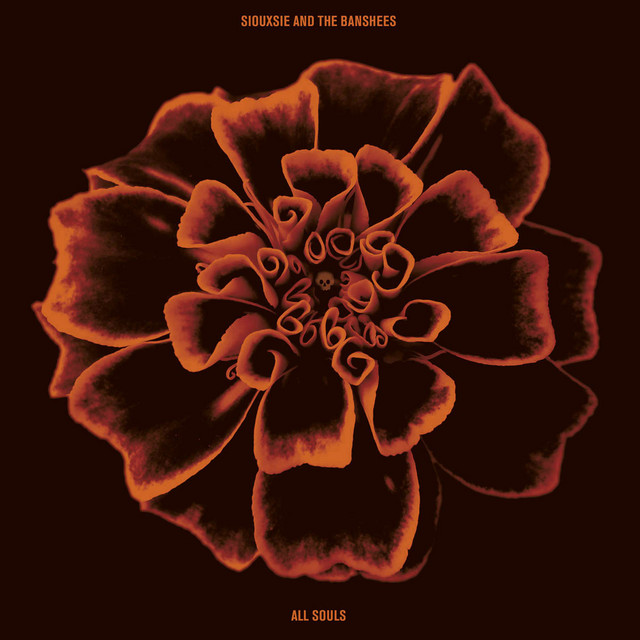
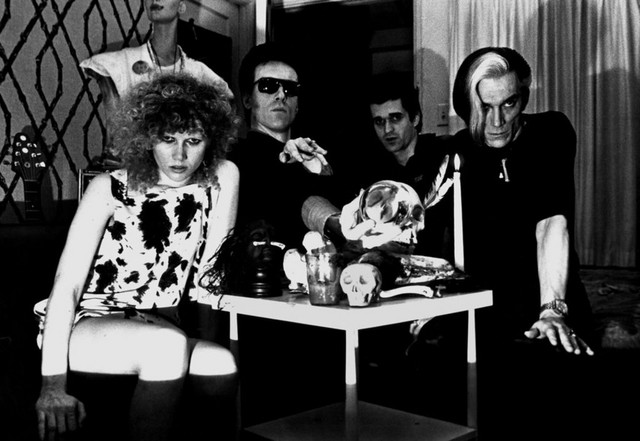
One can point to a lineage of foundational artists. Bauhaus’s Bela Lugosi’s Dead (1979) is frequently hailed as a proto‑goth anthem, signaling a move away from club‑friendly post‑punk into something more nocturnal and cinematic. Siouxsie and the Banshees helped codify the mood with stark, artful arrangements and vividly nocturnal imagery. The Cure, with records such as Seventeen Seconds and Faith, offered a template for melodic, atmospheric gloom that many fans associate with the genre’s emotional core. The Sisters of Mercy, with Andrew Eldritch’s imposing baritone and hypnotic drum machine backbone, became one of Gothic rock’s most enduring pillars, while newer‑generation acts like Fields of the Nephilim and The Mission carried the torch into the mid‑1980s and beyond. In the United States, deathrock and related currents in Los Angeles and elsewhere ran parallel to gothic rock, feeding a transatlantic exchange of ideas and aesthetics.
Musically, Gothic rock is characterized by droning or hypnotic guitar textures, low‑to‑mid vocal ranges, steady bass, and drum patterns that can range from martial to lushly atmospheric. Lyrically, it often leans into romantic fatalism, haunted pasts, and literary or mythic imagery. Electronic textures and drum machines later became common, giving many records a cathedral‑like resonance that could feel both intimate and epic. The genre’s visual language—black clothing, lace, corsets, and a fascination with decay and beauty—has done as much to define Gothic rock as the music itself, reinforcing a cohesive cultural package that listeners could inhabit.
Ambassadors and enduring icons include Peter Murphy (Bauhaus), Andrew Eldritch (The Sisters of Mercy), Siouxsie Sioux (Siouxsie and the Banshees), and Robert Smith (The Cure). These figures helped shape the genre’s voice: literate, uncompromising, and unafraid of melancholy as a source of beauty. The genre has also proven adaptable, sharing kinship with post‑punk, darkwave, and doom‑tinged rock, while preserving a distinctly nocturnal mood.
Where is Gothic rock most popular? The United Kingdom remains the birthplace and heartbeat, but strong scenes exist across continental Europe—Germany, Italy, and Spain in particular—where clubs, festivals, and dedicated radio programs sustain a loyal audience. The United States hosts vibrant pockets on both coasts, with collector‑level interest in vintage catalogues and a continuing appetite for new takes on the sound. Beyond Europe and North America, Japan and parts of Latin America harbor dedicated communities that keep the tradition alive in clubs and online communities alike.
In short, Gothic rock offers an experience built on contrast: beauty and decay, restraint and intensity, melody and menace. It rewards listeners who savor mood, atmosphere, and intelligent, sometimes theatrical, storytelling—music that feels like a midnight walk through a candlelit cathedral of sound.
One can point to a lineage of foundational artists. Bauhaus’s Bela Lugosi’s Dead (1979) is frequently hailed as a proto‑goth anthem, signaling a move away from club‑friendly post‑punk into something more nocturnal and cinematic. Siouxsie and the Banshees helped codify the mood with stark, artful arrangements and vividly nocturnal imagery. The Cure, with records such as Seventeen Seconds and Faith, offered a template for melodic, atmospheric gloom that many fans associate with the genre’s emotional core. The Sisters of Mercy, with Andrew Eldritch’s imposing baritone and hypnotic drum machine backbone, became one of Gothic rock’s most enduring pillars, while newer‑generation acts like Fields of the Nephilim and The Mission carried the torch into the mid‑1980s and beyond. In the United States, deathrock and related currents in Los Angeles and elsewhere ran parallel to gothic rock, feeding a transatlantic exchange of ideas and aesthetics.
Musically, Gothic rock is characterized by droning or hypnotic guitar textures, low‑to‑mid vocal ranges, steady bass, and drum patterns that can range from martial to lushly atmospheric. Lyrically, it often leans into romantic fatalism, haunted pasts, and literary or mythic imagery. Electronic textures and drum machines later became common, giving many records a cathedral‑like resonance that could feel both intimate and epic. The genre’s visual language—black clothing, lace, corsets, and a fascination with decay and beauty—has done as much to define Gothic rock as the music itself, reinforcing a cohesive cultural package that listeners could inhabit.
Ambassadors and enduring icons include Peter Murphy (Bauhaus), Andrew Eldritch (The Sisters of Mercy), Siouxsie Sioux (Siouxsie and the Banshees), and Robert Smith (The Cure). These figures helped shape the genre’s voice: literate, uncompromising, and unafraid of melancholy as a source of beauty. The genre has also proven adaptable, sharing kinship with post‑punk, darkwave, and doom‑tinged rock, while preserving a distinctly nocturnal mood.
Where is Gothic rock most popular? The United Kingdom remains the birthplace and heartbeat, but strong scenes exist across continental Europe—Germany, Italy, and Spain in particular—where clubs, festivals, and dedicated radio programs sustain a loyal audience. The United States hosts vibrant pockets on both coasts, with collector‑level interest in vintage catalogues and a continuing appetite for new takes on the sound. Beyond Europe and North America, Japan and parts of Latin America harbor dedicated communities that keep the tradition alive in clubs and online communities alike.
In short, Gothic rock offers an experience built on contrast: beauty and decay, restraint and intensity, melody and menace. It rewards listeners who savor mood, atmosphere, and intelligent, sometimes theatrical, storytelling—music that feels like a midnight walk through a candlelit cathedral of sound.