Genre
houston rap
Top Houston rap Artists
Showing 25 of 78 artists

About Houston rap
Houston rap is the Houston, Texas branch of American hip hop, born from a vibrant mix of neighborhoods in the late 1980s and early 1990s. Grounded in the city’s blues-tinged, bass-forward sound and the raw, confrontational energy of late-80s West and Southern rap, it quickly developed its own personality. The Geto Boys, formed in the late 1980s by Scarface, Willie D, and Bushwick Bill in Houston, helped put the city on the map, delivering muscular, gritty narratives about street life that would define much of the early scene. By the mid-1990s, a broader Houston sound was taking shape across clubs, mixtapes, and radio.
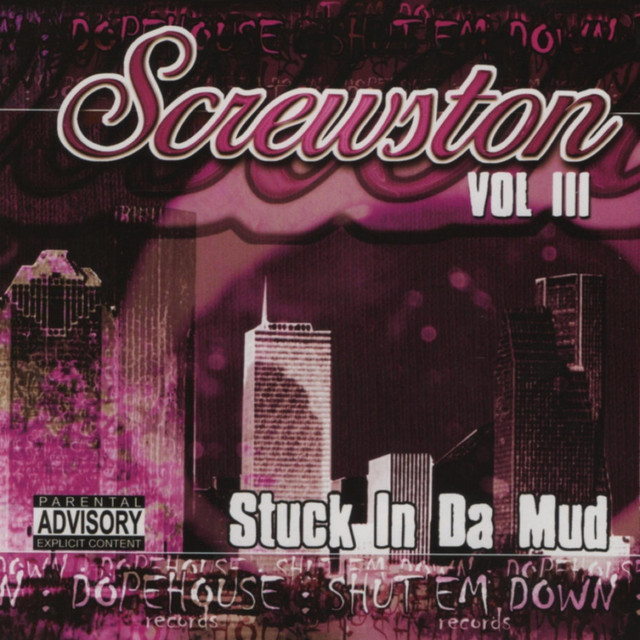
DJ Screw, a pioneering figure rooted in the city’s Third Ward, would change the course of Houston rap forever. In the early to mid-1990s he popularized “screwed and chopped” remixes — slow grooves with slowed tempos, skipping syllables, and chopped-up phrases — turning ordinary rap into a velvet-slow, hypnotic experience. The technique became a signature sound of Houston, and Screw’s crew built the Screwed Up Click (SUC) as an informal collective that helped launch careers and shape the city’s aesthetic. The hypnotic cadence, deep bass, and extended instrumental space defined what many fans now identify as the core Houston vibe.
Several artists and ambassadors later carried the torch beyond the club and the mixtape. Scarface and the Geto Boys laid the groundwork with influential Texas rap. In the 2000s, the city’s voice became more varied: Lil’ Keke, Fat Pat, and Big Pokey kept the SUC lineage alive; Devin the Dude offered laid-back, introspective rhymes; Z-Ro blended street narratives with melodic hooks; and later, Slim Thug, Paul Wall, and Chamillionaire brought Houston to a nationwide audience through independent flows and glossy, radio-friendly hits. From the underground to national charts, these figures helped map a path for the newer generation of Houston MCs. Trae tha Truth and Mike Jones carried the tradition into the 2010s with conscious grit and accessibility.
Production in Houston remains anchored by 808-driven bass, punchy drums, and samples that traverse funk, soul, and blues, often slowed or rendered with a chopped texture that invites repetition. The result is a sound that can feel sleepy and meditative one moment and hard-edged and confrontational the next. The genre thrives in mixtapes and clubs but has also left marks on mainstream rap and urban pop, influencing producers and artists across the South and beyond.
Geographically, Houston rap is most popular in the United States, especially within Texas and the broader South, but its innovations have gained international followings. Fans in the United Kingdom, France, and parts of Africa and Latin America have embraced the Screw-produced aesthetic via online streaming and global tours. The genre remains a key instrument of Houston’s cultural identity — an evolving conversation between the city’s past, present, and future.
DJ Screw, a pioneering figure rooted in the city’s Third Ward, would change the course of Houston rap forever. In the early to mid-1990s he popularized “screwed and chopped” remixes — slow grooves with slowed tempos, skipping syllables, and chopped-up phrases — turning ordinary rap into a velvet-slow, hypnotic experience. The technique became a signature sound of Houston, and Screw’s crew built the Screwed Up Click (SUC) as an informal collective that helped launch careers and shape the city’s aesthetic. The hypnotic cadence, deep bass, and extended instrumental space defined what many fans now identify as the core Houston vibe.
Several artists and ambassadors later carried the torch beyond the club and the mixtape. Scarface and the Geto Boys laid the groundwork with influential Texas rap. In the 2000s, the city’s voice became more varied: Lil’ Keke, Fat Pat, and Big Pokey kept the SUC lineage alive; Devin the Dude offered laid-back, introspective rhymes; Z-Ro blended street narratives with melodic hooks; and later, Slim Thug, Paul Wall, and Chamillionaire brought Houston to a nationwide audience through independent flows and glossy, radio-friendly hits. From the underground to national charts, these figures helped map a path for the newer generation of Houston MCs. Trae tha Truth and Mike Jones carried the tradition into the 2010s with conscious grit and accessibility.
Production in Houston remains anchored by 808-driven bass, punchy drums, and samples that traverse funk, soul, and blues, often slowed or rendered with a chopped texture that invites repetition. The result is a sound that can feel sleepy and meditative one moment and hard-edged and confrontational the next. The genre thrives in mixtapes and clubs but has also left marks on mainstream rap and urban pop, influencing producers and artists across the South and beyond.
Geographically, Houston rap is most popular in the United States, especially within Texas and the broader South, but its innovations have gained international followings. Fans in the United Kingdom, France, and parts of Africa and Latin America have embraced the Screw-produced aesthetic via online streaming and global tours. The genre remains a key instrument of Houston’s cultural identity — an evolving conversation between the city’s past, present, and future.