Genre
nordic classical piano
Top Nordic classical piano Artists
Showing 21 of 21 artists









About Nordic classical piano
Nordic classical piano is a descriptive label for a strand of piano literature and performance that emerges from the Nordic countries—Norway, Sweden, Denmark, Finland, and Iceland. It is not a formally codified genre, but a recognizable aesthetic: a emphasis on lyric expression, clear melodic line, transparent textures, and a sense of landscape, solitude, and memory that often feels both intimate and expansive. Its roots lie in the late 19th-century national romantic movements, when composers and pianists in the north sought to express local character through intimate piano forms rather than grand orchestral statements.
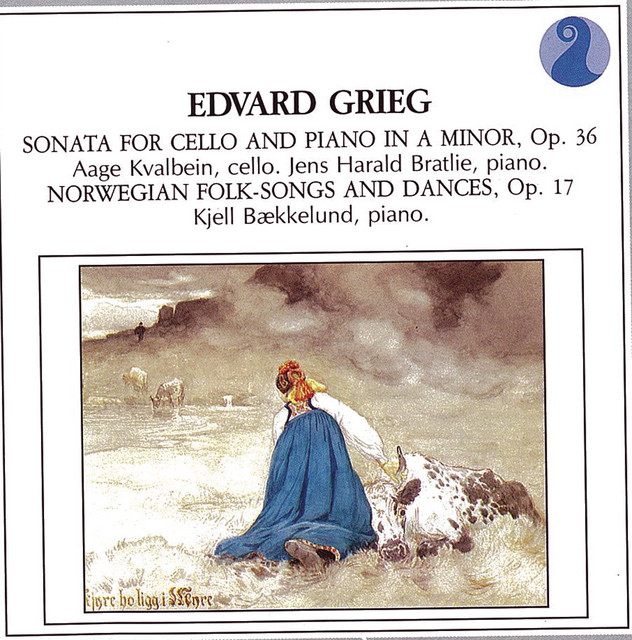
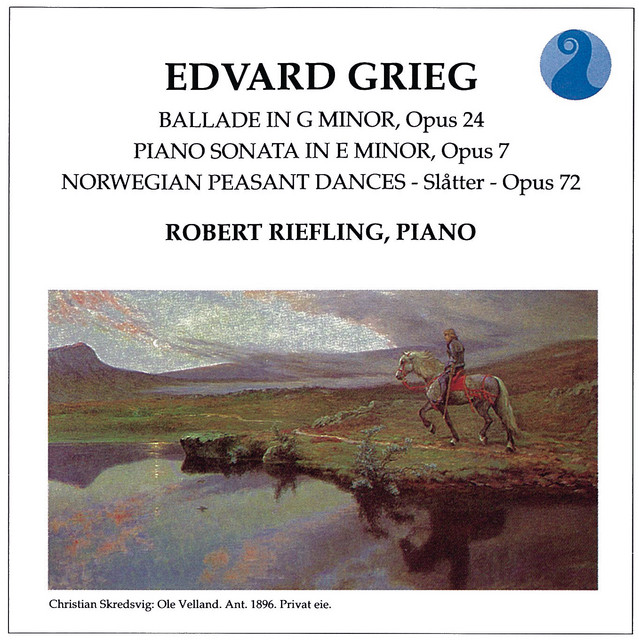
A pivotal figure in the birth of this sensibility is Edvard Grieg of Norway. His Lyric Pieces for solo piano, composed between 1867 and 1901, distilled a Nordic character into compact, songlike pieces that fuse folk-inflected melodies with refined Romantic harmony. Grieg’s piano language—concise gestures, singing melodic lines, and careful attention to color and atmosphere—set a template that inspired generations. As the century turned, the Nordic piano tradition broadened its horizon beyond Norway, welcoming Finnish, Swedish, and Danish voices that shared a preference for natural imagery, melodic clarity, and an often contemplative mood.
Musically, Nordic classical piano tends toward spacious pacing and nuanced dynamic shading. Pieces frequently evoke the northern landscape—fjords, forests, winter light—through restrained textures, modal inflections, and a heightened sensitivity to timbre. While some works lean toward compact, intimate microcosms, others experiment with rhythm, color, and texture, without sacrificing a sense of phrase-making that feels inherently musical and human. The repertoire spans Grieg’s iconic miniatures to late-19th- and 20th-century explorations from Finland, Sweden, and Denmark, and it continues to expand with contemporary composers who situate Nordic identity within modern idioms.
Key artists and ambassadors of the modern Nordic piano scene include Leif Ove Andsnes of Norway, whose thoughtful programming and lyrical warmth bring Grieg and the Nordic lineage into clear focus for today’s audiences. His recordings of Grieg, as well as collaborations that highlight a balanced approach to classical and contemporary works, have helped crystallize the Nordic aesthetic for a global audience. Another prominent figure is Håvard Gimse, a Norwegian pianist known for his refined touch and deep engagement with Nordic repertoire. In Iceland and across the Nordic world, a new generation of pianists continues to explore both traditional pieces and contemporary works, further diversifying the sound of Nordic piano.
Nordic classical piano enjoys its strongest popularity in its home region—Norway, Sweden, Finland, Denmark, and Iceland—where audiences prize its clarity, introspection, and atmospheric expressivity. Abroad, it finds enthusiasts among classical listeners who seek music that feels rooted, naturally lyrical, and emotionally direct. Streamed performances, festival programs, and thoughtful recital choices keep the Nordic piano tradition vibrant, inviting listeners to hear the North’s musical voice in intimate, revealing piano sound.
A pivotal figure in the birth of this sensibility is Edvard Grieg of Norway. His Lyric Pieces for solo piano, composed between 1867 and 1901, distilled a Nordic character into compact, songlike pieces that fuse folk-inflected melodies with refined Romantic harmony. Grieg’s piano language—concise gestures, singing melodic lines, and careful attention to color and atmosphere—set a template that inspired generations. As the century turned, the Nordic piano tradition broadened its horizon beyond Norway, welcoming Finnish, Swedish, and Danish voices that shared a preference for natural imagery, melodic clarity, and an often contemplative mood.
Musically, Nordic classical piano tends toward spacious pacing and nuanced dynamic shading. Pieces frequently evoke the northern landscape—fjords, forests, winter light—through restrained textures, modal inflections, and a heightened sensitivity to timbre. While some works lean toward compact, intimate microcosms, others experiment with rhythm, color, and texture, without sacrificing a sense of phrase-making that feels inherently musical and human. The repertoire spans Grieg’s iconic miniatures to late-19th- and 20th-century explorations from Finland, Sweden, and Denmark, and it continues to expand with contemporary composers who situate Nordic identity within modern idioms.
Key artists and ambassadors of the modern Nordic piano scene include Leif Ove Andsnes of Norway, whose thoughtful programming and lyrical warmth bring Grieg and the Nordic lineage into clear focus for today’s audiences. His recordings of Grieg, as well as collaborations that highlight a balanced approach to classical and contemporary works, have helped crystallize the Nordic aesthetic for a global audience. Another prominent figure is Håvard Gimse, a Norwegian pianist known for his refined touch and deep engagement with Nordic repertoire. In Iceland and across the Nordic world, a new generation of pianists continues to explore both traditional pieces and contemporary works, further diversifying the sound of Nordic piano.
Nordic classical piano enjoys its strongest popularity in its home region—Norway, Sweden, Finland, Denmark, and Iceland—where audiences prize its clarity, introspection, and atmospheric expressivity. Abroad, it finds enthusiasts among classical listeners who seek music that feels rooted, naturally lyrical, and emotionally direct. Streamed performances, festival programs, and thoughtful recital choices keep the Nordic piano tradition vibrant, inviting listeners to hear the North’s musical voice in intimate, revealing piano sound.