Genre
norteño
Top Norteño Artists
Showing 25 of 2,048 artists








About Norteño
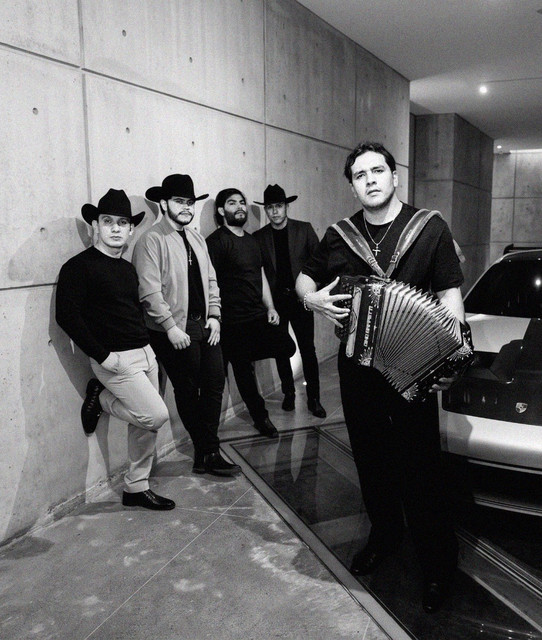
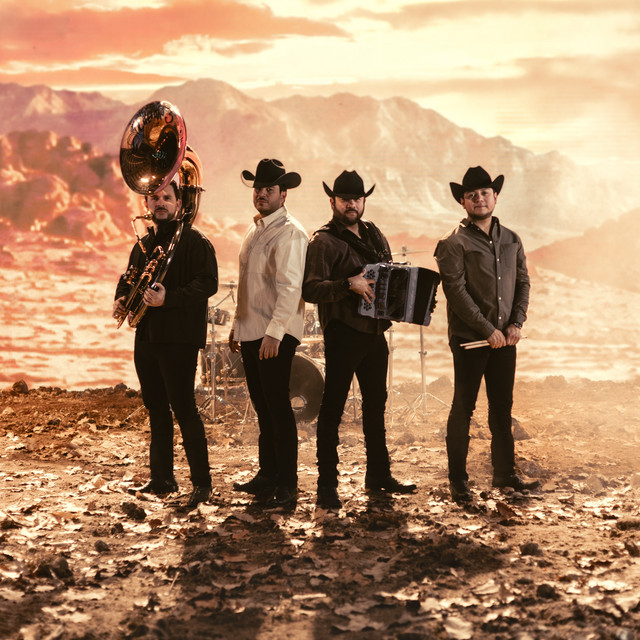
Norteño, or norteña, is a vibrant regional Mexican genre driven by accordion melodies, the fat pulse of bass-driven bajo sexto, and a tight rhythm section. Its sound is instantly recognizable: a melodic, danceable air built on polkas, waltzes, corridos and a distinctly northern cadence. The genre blends rural roots with urban energy, pairing storytelling lyrics with a lively, often martial, tempo. In practice, norteño is as comfortable playing a heartbreak ballad as it is driving a high-energy dance floor set, making it a staple at fiestas, corridos, and cross-border gatherings.
The roots of norteño lie in the borderlands of northern Mexico and southern Texas, where Mexican regional music intersected with European immigrant rhythms. By the early to mid-20th century, ensembles began to crystallize around the conjunto format, featuring the diatonic accordion and the bajo sexto, sometimes complemented by electric bass and drums. The accordion, introduced to the region by German and Czech immigrants, gave norteño its signature voice and emotional range. The repertoire often includes corridos—ominously narrated songs about heroes, outlaws, migrations, and social issues—alongside romantic ballads, making the genre both poetic and hard-hitting.
Over the decades, norteño evolved through regional variation and commercial growth. In the hand of defining masters, it transitioned from village dances to concert stages and radio airwaves. The style became a canvas for cross-cultural fusion, absorbing Tex-Mex sensibilities, polka- and mazurka-inspired rhythms, and, later, pop and banda influences. The result is a music that feels contemporary yet deeply rooted in rural memory: a sound that celebrates endurance, family, and the open road.
Key artists and ambassadors of norteño include several generations who shaped its vocabulary and reach. Ramón Ayala, known as “El Rey del Acordeón,” remains a touchstone for virtuosity and the classic norteño feel. Los Tigres del Norte helped propel the genre into mainstream consciousness with sweeping narratives, political edge, and mass-appeal songs that cross borders. Los Tucanes de Tijuana brought norteño into a wider pop landscape with tight harmonies and catchy hooks, while Intocable fused norteño with a modern, crossover sensibility that resonated with audiences across the United States. Other influential acts include Los Rieleros del Norte and El Curly, as well as newer groups that keep the repertoire fresh while honoring tradition.
Norteño is most popular in Mexico’s northern states—Coahuila, Nuevo León, Chihuahua, Sonora, Durango—and among Mexican-American communities in the United States, especially Texas and California. It thrives at festivals, radio formats, and nightclubs that celebrate regional Mexican music, and it remains a potent symbol of transnational identity for many listeners who navigate life across the border.
In short, norteño is a dynamic story of migration, memory, and motion: accordion-driven melodies, the driving pulse of bajo sexto, and a repertoire that ranges from corridos to love songs. It continues to evolve while keeping its roots firmly planted in the northern heartlands—proof that regional music can travel far while staying deeply personal.
The roots of norteño lie in the borderlands of northern Mexico and southern Texas, where Mexican regional music intersected with European immigrant rhythms. By the early to mid-20th century, ensembles began to crystallize around the conjunto format, featuring the diatonic accordion and the bajo sexto, sometimes complemented by electric bass and drums. The accordion, introduced to the region by German and Czech immigrants, gave norteño its signature voice and emotional range. The repertoire often includes corridos—ominously narrated songs about heroes, outlaws, migrations, and social issues—alongside romantic ballads, making the genre both poetic and hard-hitting.
Over the decades, norteño evolved through regional variation and commercial growth. In the hand of defining masters, it transitioned from village dances to concert stages and radio airwaves. The style became a canvas for cross-cultural fusion, absorbing Tex-Mex sensibilities, polka- and mazurka-inspired rhythms, and, later, pop and banda influences. The result is a music that feels contemporary yet deeply rooted in rural memory: a sound that celebrates endurance, family, and the open road.
Key artists and ambassadors of norteño include several generations who shaped its vocabulary and reach. Ramón Ayala, known as “El Rey del Acordeón,” remains a touchstone for virtuosity and the classic norteño feel. Los Tigres del Norte helped propel the genre into mainstream consciousness with sweeping narratives, political edge, and mass-appeal songs that cross borders. Los Tucanes de Tijuana brought norteño into a wider pop landscape with tight harmonies and catchy hooks, while Intocable fused norteño with a modern, crossover sensibility that resonated with audiences across the United States. Other influential acts include Los Rieleros del Norte and El Curly, as well as newer groups that keep the repertoire fresh while honoring tradition.
Norteño is most popular in Mexico’s northern states—Coahuila, Nuevo León, Chihuahua, Sonora, Durango—and among Mexican-American communities in the United States, especially Texas and California. It thrives at festivals, radio formats, and nightclubs that celebrate regional Mexican music, and it remains a potent symbol of transnational identity for many listeners who navigate life across the border.
In short, norteño is a dynamic story of migration, memory, and motion: accordion-driven melodies, the driving pulse of bajo sexto, and a repertoire that ranges from corridos to love songs. It continues to evolve while keeping its roots firmly planted in the northern heartlands—proof that regional music can travel far while staying deeply personal.