Genre
norwegian indie
Top Norwegian indie Artists
Showing 12 of 12 artists






About Norwegian indie
Norwegian indie is not a single sound but a lineage of independent artists from Norway who fuse intimate, melodic songwriting with a free, experimental edge. Born out of late-1990s and early-2000s currents in Bergen, Oslo, and smaller towns, it grew as Norway’s own answer to the worldwide indie boom: a Nordic emphasis on clarity, restraint, and mood rather than bravado. Core to its emergence were bands and duos who treated songs as small worlds, built from acoustic guitars, piano, warm bass, and careful electronics, rather than loud guitar anthems. The scene gained momentum with a string of self-released records and sympathetic labels, then spread through European indie circuits and into festival catalogs across North America.
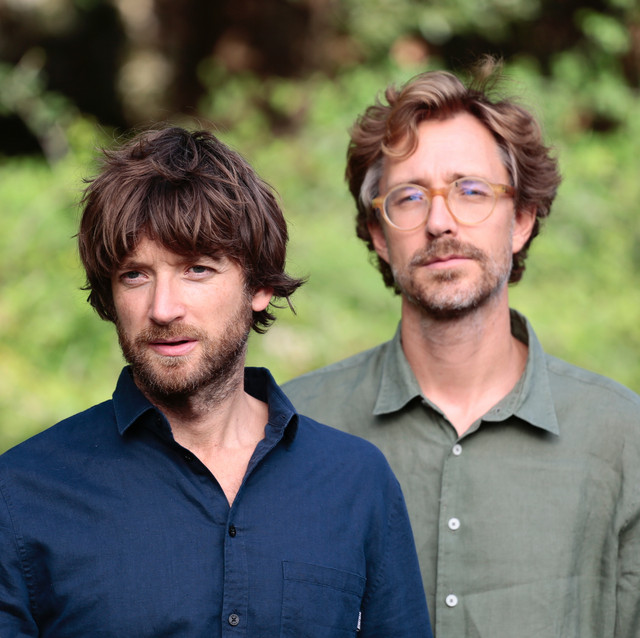
Kings of Convenience stand as one of the defining ambassadors. The Bergen duo—Eirik Glambek Bøe and Erlend Øye—built a reputation around hushed harmonies, fingerpicked guitars, and a mood of quiet wonder. Their 2001 release, and the subsequent "Quiet Is the New Loud" era, helped crystallize a Norwegian indie sound: intimate, timeless, and unhurried. Sondre Lerche, another Bergen native, emerged with a luminous, literate pop sensibility on Faces Down (2002). His songs blend jangly guitars with bright, characterful melodies and have kept Norwegian indie on the world map through successive records and cross-Atlantic touring.
Ane Brun, a defining voice in Norwegian singer-songwriter circles, has carried the genre’s emotive storytelling into international rooms with sparse arrangements and clear, expressive vocal lines. Her work, along with other contemporaries, showed that Norwegian indie could inhabit personal confession with broad, melodic reach. In the 2010s, a newer generation—artists like Highasakite—brought a more anthemic yet still intimate approach: glacial synths, propulsive drums, and gospel-like harmonies that sit somewhere between indie pop and Nordic dream-pop.
Röyksopp and related acts have broadened the spectrum by weaving electronic textures into indie frameworks, proving that Norwegian indie can flirt with club-ready rhythms without losing its reflective core. The cross-pollination with Nordic electronic scenes reinforces the sense that Norwegian indie is both inward-looking and outward-facing—a music of rooms with windows to the world.
Which countries celebrate it most? Norway itself is the heartland, naturally, with NRK and domestic festivals sustaining discovery. Across Europe, the sound resonates in the United Kingdom, Germany, the Netherlands, and the Nordic region, where audiences prize lyric focus, intimate production, and well-crafted ensembles. North America has a smaller but dedicated following among listeners who chase the genre’s quiet emotionality, craft, and the intelligible storytelling that remains a hallmark of Norwegian songwriting.
If you chase music with restraint, lyric-driven warmth, and a sense of a coastline and distance in every note, Norwegian indie offers a coherent map: a lineage that respects tradition while inviting experimentation, where soft guitars meet bright melodies, and where Scandinavian melancholy feels almost buoyant in its clarity.
Today the tradition stays alive in intimate venues—from Oslo's Grünerløkka clubs to Bergen's intimate stages—where new acts explore spare textures and warm choruses. DIY releases, cross-border curiosity, and careful curation keep Norwegian indie vibrant, inviting listeners to a Nordic melodic continuum forward.
Kings of Convenience stand as one of the defining ambassadors. The Bergen duo—Eirik Glambek Bøe and Erlend Øye—built a reputation around hushed harmonies, fingerpicked guitars, and a mood of quiet wonder. Their 2001 release, and the subsequent "Quiet Is the New Loud" era, helped crystallize a Norwegian indie sound: intimate, timeless, and unhurried. Sondre Lerche, another Bergen native, emerged with a luminous, literate pop sensibility on Faces Down (2002). His songs blend jangly guitars with bright, characterful melodies and have kept Norwegian indie on the world map through successive records and cross-Atlantic touring.
Ane Brun, a defining voice in Norwegian singer-songwriter circles, has carried the genre’s emotive storytelling into international rooms with sparse arrangements and clear, expressive vocal lines. Her work, along with other contemporaries, showed that Norwegian indie could inhabit personal confession with broad, melodic reach. In the 2010s, a newer generation—artists like Highasakite—brought a more anthemic yet still intimate approach: glacial synths, propulsive drums, and gospel-like harmonies that sit somewhere between indie pop and Nordic dream-pop.
Röyksopp and related acts have broadened the spectrum by weaving electronic textures into indie frameworks, proving that Norwegian indie can flirt with club-ready rhythms without losing its reflective core. The cross-pollination with Nordic electronic scenes reinforces the sense that Norwegian indie is both inward-looking and outward-facing—a music of rooms with windows to the world.
Which countries celebrate it most? Norway itself is the heartland, naturally, with NRK and domestic festivals sustaining discovery. Across Europe, the sound resonates in the United Kingdom, Germany, the Netherlands, and the Nordic region, where audiences prize lyric focus, intimate production, and well-crafted ensembles. North America has a smaller but dedicated following among listeners who chase the genre’s quiet emotionality, craft, and the intelligible storytelling that remains a hallmark of Norwegian songwriting.
If you chase music with restraint, lyric-driven warmth, and a sense of a coastline and distance in every note, Norwegian indie offers a coherent map: a lineage that respects tradition while inviting experimentation, where soft guitars meet bright melodies, and where Scandinavian melancholy feels almost buoyant in its clarity.
Today the tradition stays alive in intimate venues—from Oslo's Grünerløkka clubs to Bergen's intimate stages—where new acts explore spare textures and warm choruses. DIY releases, cross-border curiosity, and careful curation keep Norwegian indie vibrant, inviting listeners to a Nordic melodic continuum forward.