Genre
norwegian rock
Top Norwegian rock Artists
Showing 6 of 6 artists
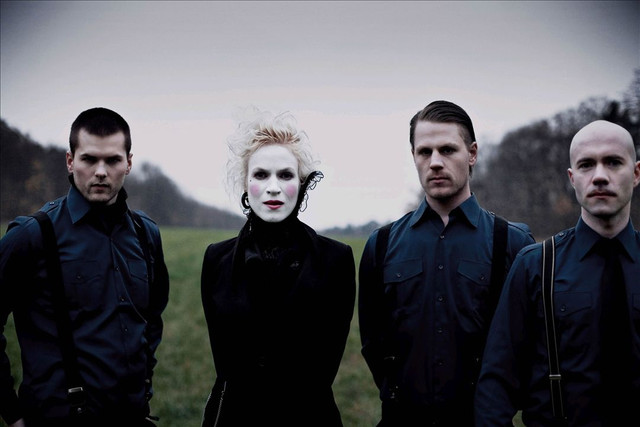


About Norwegian rock
Norwegian rock is the rock music produced in Norway, a scene that grew from small clubs and radio favorites into a distinctive, national voice with international reach. It encompasses a wide spectrum: garage punk energy, melodic indie sensibilities, artful alternative rock, and ambitious concept albums that borrow from folk, prog, and even black metal occasionally. What unites it is a stubborn, Northern earnestness: bright guitar hooks, often sung in Norwegian or English, and lyrics that blend social observation with a certain melancholic beauty that many Nordic genres share.
The birth of Norwegian rock can be traced to the late 1960s and into the 1970s, when Norwegian bands started translating American and British rock into a local language and context. The scene matured through the 1980s with a surge of new wave, post-punk, and garage acts that pushed beyond imitation and began to forge a truly Norwegian sound. The 1990s brought a more diverse palette—indie rock, noise, and stylistically adventurous bands that could tour Europe and beyond. By the early 2000s, a new generation had blended storytelling lyricism with cinematic arrangements, and Norwegian rock began to be taken seriously on international stages.
If you’re hunting for ambassadors of the modern Norwegian rock sound, a few names cut a wide swath. Kaizers Orchestra, formed in Stavanger in 2000, stand out for their theatrical, stomping rhythms and vivid storytelling. Their album Ompa til du dør became a cornerstone for contemporary Norwegian rock, blending roguish cabaret with driving guitars and a distinctly Nordic moodiness. Motorpsycho, based in Trondheim since the late 1980s, have built a long, fearless career that fuses hard rock, psych, and progressive tendencies; albums like Demon Box (1993) and Timothy’s Monster (1994) helped broaden the perception of what Norwegian rock could be—grand, heavy, and introspective at once. Other influential acts include DumDum Boys, whose late-80s to early-90s output helped popularize rock with a Norwegian voice, and Raga Rockers, whose post-punk energy and sharp social commentaries captured a crucial Norwegian moment. In the indie and underground scenes, bands such as Datarock have kept the energy high, delivering danceable, guitar-driven tunes with a Nordic twist.
Norwegian rock’s audience is strongest at home, where the sound is part of the cultural conversation and festival circuits. It also travels well to other Nordic countries—Sweden, Denmark, and Finland—where audiences share an appetite for crisp guitars and emotionally direct songwriting. In central Europe and the UK, Norway’s acts have found niche audiences through festivals and independent-label networks, often highlighting the country’s reputation for high musical craftsmanship and live performance intensity. Japan and North America have seen periodic interest as well, especially among listeners who prize well-crafted rock narratives and audacious live shows.
For enthusiasts, the best entry points are albums and performances that showcase both the toughness and the lyric nuance of the scene. Start with Kaizers Orchestra’s Ompa til du dør for a dramatic plunge into Norwegian storytelling set to urgent, theatrical rock; then dip into Motorpsycho’s Demon Box or Timothy’s Monster to hear how Norwegian rock can expand into expansive, adventurous rock ‘n’ roll. If you’re curious about the indie side, Datarock’s trickier, buoyant cuts offer a lighter but deeply Norwegian take on the genre. Norwegian rock rewards attentive listening—the more you lean into its stories, the more you hear the sea-cooled sensibility that makes it uniquely Norwegian.
The birth of Norwegian rock can be traced to the late 1960s and into the 1970s, when Norwegian bands started translating American and British rock into a local language and context. The scene matured through the 1980s with a surge of new wave, post-punk, and garage acts that pushed beyond imitation and began to forge a truly Norwegian sound. The 1990s brought a more diverse palette—indie rock, noise, and stylistically adventurous bands that could tour Europe and beyond. By the early 2000s, a new generation had blended storytelling lyricism with cinematic arrangements, and Norwegian rock began to be taken seriously on international stages.
If you’re hunting for ambassadors of the modern Norwegian rock sound, a few names cut a wide swath. Kaizers Orchestra, formed in Stavanger in 2000, stand out for their theatrical, stomping rhythms and vivid storytelling. Their album Ompa til du dør became a cornerstone for contemporary Norwegian rock, blending roguish cabaret with driving guitars and a distinctly Nordic moodiness. Motorpsycho, based in Trondheim since the late 1980s, have built a long, fearless career that fuses hard rock, psych, and progressive tendencies; albums like Demon Box (1993) and Timothy’s Monster (1994) helped broaden the perception of what Norwegian rock could be—grand, heavy, and introspective at once. Other influential acts include DumDum Boys, whose late-80s to early-90s output helped popularize rock with a Norwegian voice, and Raga Rockers, whose post-punk energy and sharp social commentaries captured a crucial Norwegian moment. In the indie and underground scenes, bands such as Datarock have kept the energy high, delivering danceable, guitar-driven tunes with a Nordic twist.
Norwegian rock’s audience is strongest at home, where the sound is part of the cultural conversation and festival circuits. It also travels well to other Nordic countries—Sweden, Denmark, and Finland—where audiences share an appetite for crisp guitars and emotionally direct songwriting. In central Europe and the UK, Norway’s acts have found niche audiences through festivals and independent-label networks, often highlighting the country’s reputation for high musical craftsmanship and live performance intensity. Japan and North America have seen periodic interest as well, especially among listeners who prize well-crafted rock narratives and audacious live shows.
For enthusiasts, the best entry points are albums and performances that showcase both the toughness and the lyric nuance of the scene. Start with Kaizers Orchestra’s Ompa til du dør for a dramatic plunge into Norwegian storytelling set to urgent, theatrical rock; then dip into Motorpsycho’s Demon Box or Timothy’s Monster to hear how Norwegian rock can expand into expansive, adventurous rock ‘n’ roll. If you’re curious about the indie side, Datarock’s trickier, buoyant cuts offer a lighter but deeply Norwegian take on the genre. Norwegian rock rewards attentive listening—the more you lean into its stories, the more you hear the sea-cooled sensibility that makes it uniquely Norwegian.