Genre
nova musica carioca
Top Nova musica carioca Artists
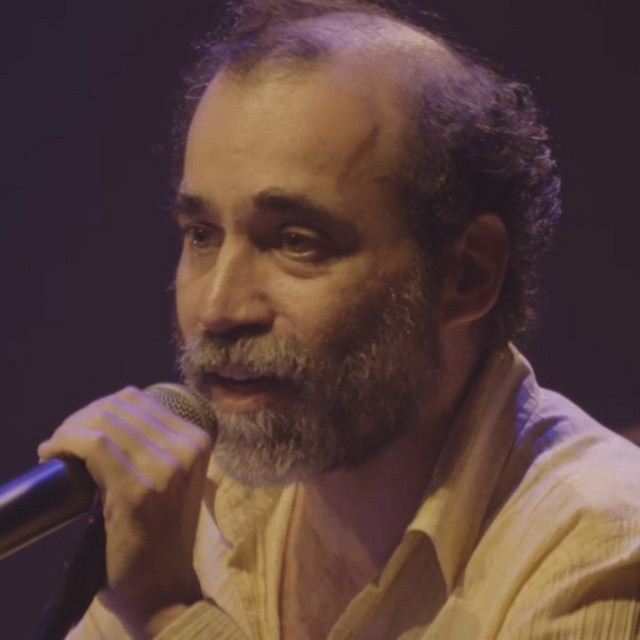
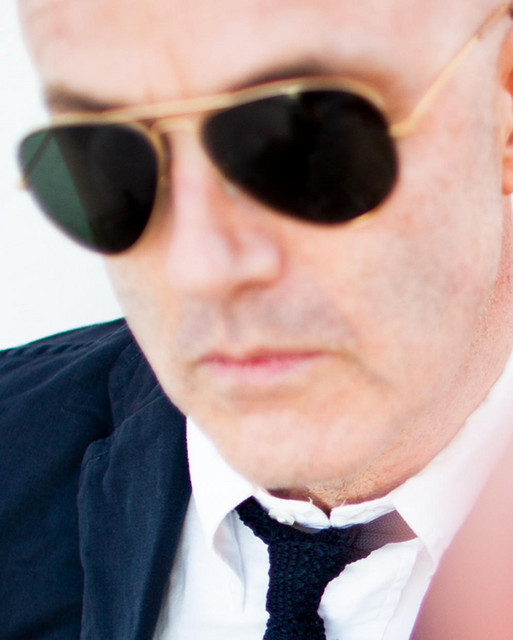
Showing 5 of 5 artists


About Nova musica carioca
Nova Música Carioca, or Nova Música Popular Carioca, is a loosely defined Brazilian movement that coalesced in Rio de Janeiro in the late 2000s as a new generation of singer‑songwriters revitalized MPB for a contemporary audience. It grew from the city’s intimate micro-scenes—Lapa’s basement rooms, Santa Teresa studios, and café stages—where artists traded acoustic guitars and portable recorders for a more personal, DIY approach. If traditional MPB had long been the country’s core sound, nova música carioca reframed it as a city portrait: intimate, modern, and capable of speaking to both longtime fans of Brazilian songcraft and listeners drawn to indie pop and folk.
Musically, the movement is a dialogue between heritage and experiment. It borrows from samba, bossa nova, and classic MPB while filtering those elements through indie folk, pop, and gentle electronic textures. Arrangements favor warmth over polish: clear vocal takes, intimate piano and guitar lines, understated percussion, and a sense of space that invites the listener in. Production tends toward immediacy—live takes, subtle lo-fi reverberation, and the feeling that the music is being performed in the room with you. Thematically, lyrics often mix romance with urban observation, daily life with dreamlike reverie, expressed in precise, personal language rather than sweeping social manifesto. The mood is urban and reflective, with rays of sunshine and a wink of humor.
The movement crystallized around a cohort of young voices who built audiences through blogs, early streaming, and word‑of‑mouth circuits, then expanded to festivals and independent labels. It is not a formal school, but a shared ethic: proximity to the listener, authenticity in presentation, and a curiosity about how Brazil’s songcraft can thrive in modern arrangements. The city’s geography—the hillside studios of Santa Teresa, the bohemian lanes of Lapa, the sunlit leisure of Copacabana—became as much a muse as a setting.
Among the movement’s most visible ambassadors are Mallu Magalhães, whose early guitar-led folk captured a generation’s imagination; Maria Gadú, whose expressive piano-driven voice brought Brazilian song to a wide audience around 2010; Tulipa Ruiz, with her airy voice and catchy, sunlit melodies shaping the era’s sensibility; and Mariana Aydar, who fused samba, pop, and Brazilian rhythms with crisp, contemporary sensibilities. Together, these artists illustrate the genre’s breadth—from intimate confessionals to radiant, radio‑friendly tunes.
Today, nova música carioca remains a touchstone for Brazilian music lovers, a lens into Rio’s ongoing cultural vitality. It resonates most strongly in Brazil—particularly in Rio de Janeiro and urban centers nearby—but it has also found listening communities in Portugal and other Portuguese-speaking countries, as well as among Brazilian diasporas across the United States and Europe, where artists tour and streaming platforms help the movement reach new ears.
Musically, the movement is a dialogue between heritage and experiment. It borrows from samba, bossa nova, and classic MPB while filtering those elements through indie folk, pop, and gentle electronic textures. Arrangements favor warmth over polish: clear vocal takes, intimate piano and guitar lines, understated percussion, and a sense of space that invites the listener in. Production tends toward immediacy—live takes, subtle lo-fi reverberation, and the feeling that the music is being performed in the room with you. Thematically, lyrics often mix romance with urban observation, daily life with dreamlike reverie, expressed in precise, personal language rather than sweeping social manifesto. The mood is urban and reflective, with rays of sunshine and a wink of humor.
The movement crystallized around a cohort of young voices who built audiences through blogs, early streaming, and word‑of‑mouth circuits, then expanded to festivals and independent labels. It is not a formal school, but a shared ethic: proximity to the listener, authenticity in presentation, and a curiosity about how Brazil’s songcraft can thrive in modern arrangements. The city’s geography—the hillside studios of Santa Teresa, the bohemian lanes of Lapa, the sunlit leisure of Copacabana—became as much a muse as a setting.
Among the movement’s most visible ambassadors are Mallu Magalhães, whose early guitar-led folk captured a generation’s imagination; Maria Gadú, whose expressive piano-driven voice brought Brazilian song to a wide audience around 2010; Tulipa Ruiz, with her airy voice and catchy, sunlit melodies shaping the era’s sensibility; and Mariana Aydar, who fused samba, pop, and Brazilian rhythms with crisp, contemporary sensibilities. Together, these artists illustrate the genre’s breadth—from intimate confessionals to radiant, radio‑friendly tunes.
Today, nova música carioca remains a touchstone for Brazilian music lovers, a lens into Rio’s ongoing cultural vitality. It resonates most strongly in Brazil—particularly in Rio de Janeiro and urban centers nearby—but it has also found listening communities in Portugal and other Portuguese-speaking countries, as well as among Brazilian diasporas across the United States and Europe, where artists tour and streaming platforms help the movement reach new ears.