Genre
himalayan folk
Top Himalayan folk Artists
Showing 16 of 16 artists



About Himalayan folk
Himalayan folk is a living tapestry of songs and sounds drawn from the high valleys and plateaus of the Himalayas. It spans Nepal, Bhutan, the Indian states of Uttarakhand, Himachal Pradesh, Ladakh and Sikkim, and touches Tibetan and Baltistan cultures. It isn’t one fixed style but a family of regional traditions that share a deep kinship with mountains, shepherd life, harvest rituals, and spiritual practice. For listeners, it offers the raw immediacy of village performance and the intimate poetry of mountain life, sung in local languages and handed down through generations.
The roots of Himalayan folk lie in everyday work, ritual, and storytelling. Villagers sang to mark seasons—planting and harvesting, migrations, and sheep drives—and to accompany ceremonies, weddings, and temple rites. The repertoire blends mythic and lyrical content, often invoking nature’s grandeur, wind and snow, rivers and terraces, and the grit and tenderness of itinerant life. With vast linguistic diversity—from Nepali and Tamang to Ladakhi, Dzongkha, and Tibetan—the music carries regional scales, rhythms, and modal textures that reflect centuries of cultural exchange along trekking routes, trade corridors, and monastic corridors.
Instruments ground Himalayan folk in tactile sound: the damphu and madal drums that keep time in Tamang and Nepali communities; the bansuri or other bamboo flutes that carve wind-like melodies; the sarangi and other stringed instruments that weave singing with resonance; and a host of regional plucked, bowed, and percussion timbres. Vocals range from robust, communal chorus to intimate solo storytelling, often characterized by microtonal inflections and a sense of immediacy that feels close to the mountains themselves.
The 20th century brought a revival mood and a renewed curiosity from outside the region. Musicians began documenting, reinterpreting, and recombining traditional tunes with contemporary forms, while younger artists carried these sounds into festivals, classrooms, and recording studios. Today, Himalayan folk continues to evolve through cross-border collaborations, field recordings, and intimate live performances that honor lineage while inviting new listeners into the fold.
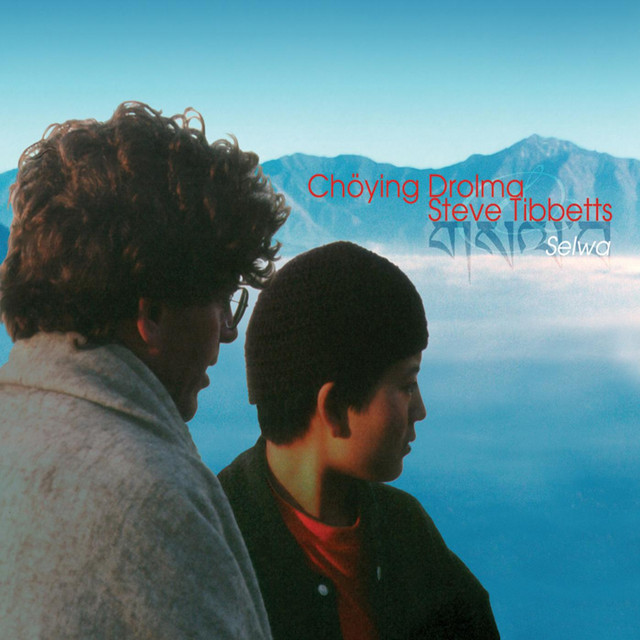
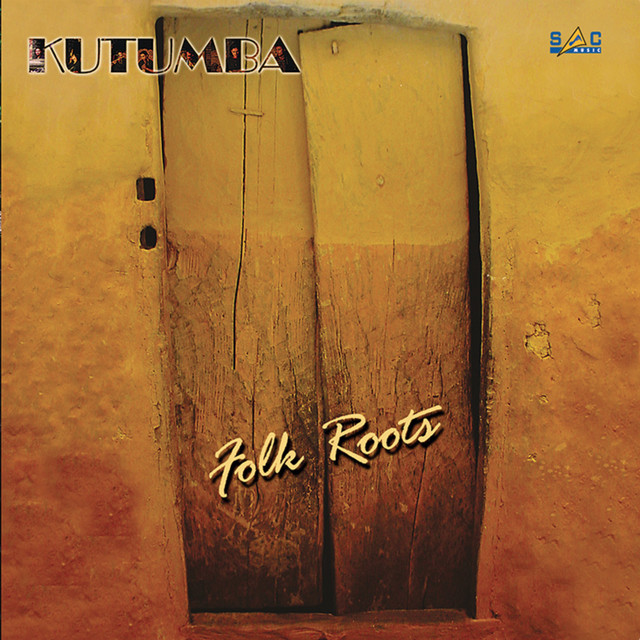
Key ambassadors and acts help anchor the genre in the public imagination. Kutumba, an acclaimed Nepalese instrumental ensemble, stands as a flagship project that reimagines traditional Nepali tunes with a modern sensibility, using only folk instruments to highlight the region’s sonic character. Ani Choying Drolma, a Nepalese Tibetan-born vocalist, has brought Himalayan and Tibetan devotional repertoires to global audiences, blending contemplative chant with accessible emotion. In the diaspora, acts like Tenzin Choegyal have carried Himalayan musical identity to international stages, illustrating how the genre travels beyond borders while staying rooted in its mountain origins.
Himalayan folk remains most deeply cherished in the mountains themselves—Nepal, Uttarakhand, Himachal, Ladakh, Sikkim, and Bhutan—where it reflects daily life and memory. It has also found new appreciating audiences across India’s north and in Europe, North America, and beyond, as listeners seek soundscapes that evoke vast skies and time-honored craft. For the avid listener, delving into Himalayan folk offers a doorway to a regional, multisensory world where voice, instrument, and landscape work in concert. Explore it through Kutumba’s albums, Ani Choying Drolma’s recordings, and contemporary collaborations that keep the mountains audible in a global age.
The roots of Himalayan folk lie in everyday work, ritual, and storytelling. Villagers sang to mark seasons—planting and harvesting, migrations, and sheep drives—and to accompany ceremonies, weddings, and temple rites. The repertoire blends mythic and lyrical content, often invoking nature’s grandeur, wind and snow, rivers and terraces, and the grit and tenderness of itinerant life. With vast linguistic diversity—from Nepali and Tamang to Ladakhi, Dzongkha, and Tibetan—the music carries regional scales, rhythms, and modal textures that reflect centuries of cultural exchange along trekking routes, trade corridors, and monastic corridors.
Instruments ground Himalayan folk in tactile sound: the damphu and madal drums that keep time in Tamang and Nepali communities; the bansuri or other bamboo flutes that carve wind-like melodies; the sarangi and other stringed instruments that weave singing with resonance; and a host of regional plucked, bowed, and percussion timbres. Vocals range from robust, communal chorus to intimate solo storytelling, often characterized by microtonal inflections and a sense of immediacy that feels close to the mountains themselves.
The 20th century brought a revival mood and a renewed curiosity from outside the region. Musicians began documenting, reinterpreting, and recombining traditional tunes with contemporary forms, while younger artists carried these sounds into festivals, classrooms, and recording studios. Today, Himalayan folk continues to evolve through cross-border collaborations, field recordings, and intimate live performances that honor lineage while inviting new listeners into the fold.
Key ambassadors and acts help anchor the genre in the public imagination. Kutumba, an acclaimed Nepalese instrumental ensemble, stands as a flagship project that reimagines traditional Nepali tunes with a modern sensibility, using only folk instruments to highlight the region’s sonic character. Ani Choying Drolma, a Nepalese Tibetan-born vocalist, has brought Himalayan and Tibetan devotional repertoires to global audiences, blending contemplative chant with accessible emotion. In the diaspora, acts like Tenzin Choegyal have carried Himalayan musical identity to international stages, illustrating how the genre travels beyond borders while staying rooted in its mountain origins.
Himalayan folk remains most deeply cherished in the mountains themselves—Nepal, Uttarakhand, Himachal, Ladakh, Sikkim, and Bhutan—where it reflects daily life and memory. It has also found new appreciating audiences across India’s north and in Europe, North America, and beyond, as listeners seek soundscapes that evoke vast skies and time-honored craft. For the avid listener, delving into Himalayan folk offers a doorway to a regional, multisensory world where voice, instrument, and landscape work in concert. Explore it through Kutumba’s albums, Ani Choying Drolma’s recordings, and contemporary collaborations that keep the mountains audible in a global age.