Genre
jaw harp
Top Jaw harp Artists
Showing 20 of 20 artists




About Jaw harp
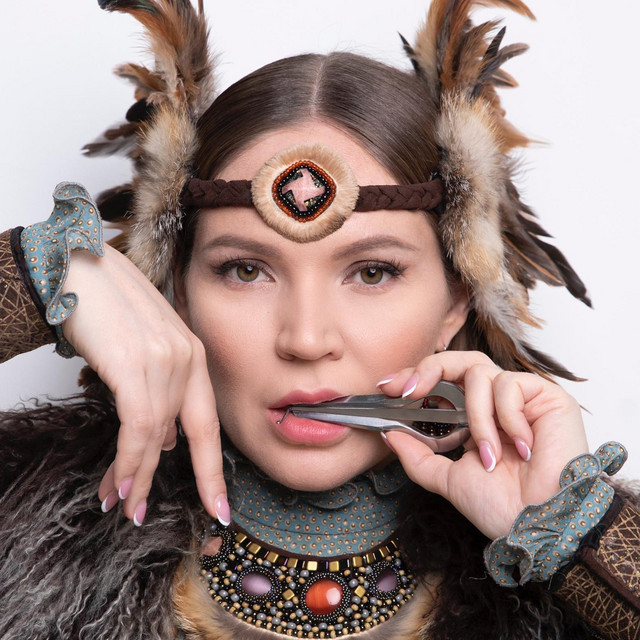
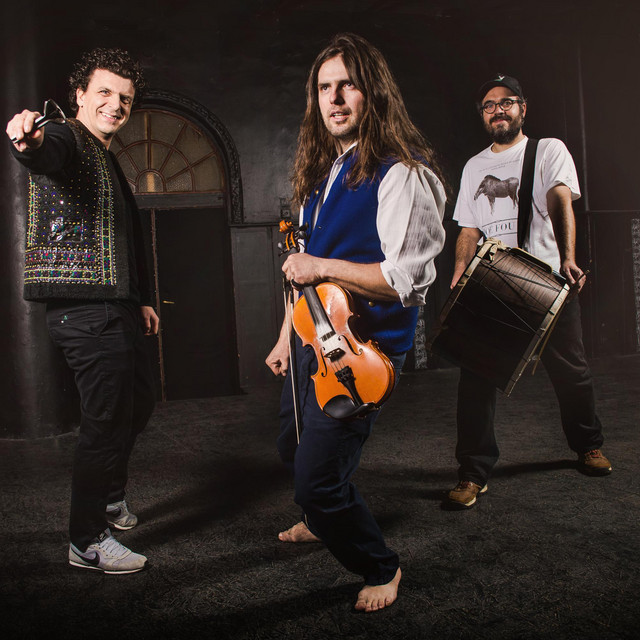
The jaw harp, sometimes called the Jew’s harp or mouth harp, is a deceptively simple instrument that has traveled the world for millennia. A small lamellophone, it consists of a flexible metal reed mounted in a frame. When held in the teeth or lips and plucked with a finger, the reed vibrates, and the musician shapes the sound with the mouth, producing a bright, twanging timbre rich in overtones. The result can feel both intimate and expansive: a voice that can mimic bells, birds, drones, or a singing melody, depending on how the player shapes vowels, tongue position, and throat resonance.
Birth and history
The jaw harp is among the world’s oldest and most widespread instruments. Ethnographic and archaeological records show its presence across Eurasia for thousands of years, with countless regional varieties and singing traditions adapted to local tastes and technologies. Because the instrument is mechanically simple yet incredibly expressive, it has appeared in shepherd cults, folk ensembles, street performances, and ritual contexts alike. In recent decades, the term jaw harp has become a more widely accepted umbrella name, helping to move away from older labels that carry cultural baggage. Its long, porous history makes it a natural bridge between folk music, ethnographic field recordings, and contemporary experimental practice.
Playing technique and sound
What makes the jaw harp so compelling is how much lifelike character is produced from such a basic device. The reed’s vibration is inherently self-contained, but the mouth acts as a resonator. By changing the shape of the oral cavity, the player shifts resonant frequencies, creating a chorus of harmonics and occasional microtonal inflections. Altering breath, jaw tension, and tongue position can produce nasal, bell-like, or buzzy textures. The instrument shines as a lead voice in solo settings and as a compact rhythmic or harmonic layer in ensembles. It invites improvisation, field recordings, and even contemporary classical contexts where timbre and texture take center stage.
Geography and popularity
The jaw harp thrives in many regions and scenes. Siberian and Central Asian traditions—where local terminologies such as khomus are used—highlight its shamanic and ceremonial roots, while European folk scenes (from the Baltic to the Alpine regions) showcase a robust tradition of melodic use and clever ornamentation. In South Asia and parts of the Middle East and Africa, travelers and itinerant musicians have carried jaw harps into wedding music, street performance, and fusion projects. In the modern world, the instrument often appears in world-music ensembles, experimental groups, and contemporary indie folk, prized for its portability and its ability to add a piercing, intimate voice to any arrangement.
Ambassadors and practitioners
If you think of ambassadors for the jaw harp, you’re thinking of the communities that keep it alive and evolving: regional masters who pass down technique and repertoire, contemporary players who explore it in new tonal landscapes, and producers who document its sounds in field recordings and albums. You’ll find its most passionate advocates in traditional folk circles, shamanic and ritual music contexts, and cutting-edge sound art. Festivals, ethnomusicology programs, and street performances around the world continue to expand its reach, inviting a new generation to discover the jaw harp’s austere beauty and boundless expressive potential.
In short, the jaw harp is a small instrument with a vast footprint: ancient in origin, endlessly adaptable, and uniquely capable of turning the human voice into a bright, buzzing, living timbre. It remains a favorite for music enthusiasts who crave nuance, craft, and a direct link to global sonic heritage.
Birth and history
The jaw harp is among the world’s oldest and most widespread instruments. Ethnographic and archaeological records show its presence across Eurasia for thousands of years, with countless regional varieties and singing traditions adapted to local tastes and technologies. Because the instrument is mechanically simple yet incredibly expressive, it has appeared in shepherd cults, folk ensembles, street performances, and ritual contexts alike. In recent decades, the term jaw harp has become a more widely accepted umbrella name, helping to move away from older labels that carry cultural baggage. Its long, porous history makes it a natural bridge between folk music, ethnographic field recordings, and contemporary experimental practice.
Playing technique and sound
What makes the jaw harp so compelling is how much lifelike character is produced from such a basic device. The reed’s vibration is inherently self-contained, but the mouth acts as a resonator. By changing the shape of the oral cavity, the player shifts resonant frequencies, creating a chorus of harmonics and occasional microtonal inflections. Altering breath, jaw tension, and tongue position can produce nasal, bell-like, or buzzy textures. The instrument shines as a lead voice in solo settings and as a compact rhythmic or harmonic layer in ensembles. It invites improvisation, field recordings, and even contemporary classical contexts where timbre and texture take center stage.
Geography and popularity
The jaw harp thrives in many regions and scenes. Siberian and Central Asian traditions—where local terminologies such as khomus are used—highlight its shamanic and ceremonial roots, while European folk scenes (from the Baltic to the Alpine regions) showcase a robust tradition of melodic use and clever ornamentation. In South Asia and parts of the Middle East and Africa, travelers and itinerant musicians have carried jaw harps into wedding music, street performance, and fusion projects. In the modern world, the instrument often appears in world-music ensembles, experimental groups, and contemporary indie folk, prized for its portability and its ability to add a piercing, intimate voice to any arrangement.
Ambassadors and practitioners
If you think of ambassadors for the jaw harp, you’re thinking of the communities that keep it alive and evolving: regional masters who pass down technique and repertoire, contemporary players who explore it in new tonal landscapes, and producers who document its sounds in field recordings and albums. You’ll find its most passionate advocates in traditional folk circles, shamanic and ritual music contexts, and cutting-edge sound art. Festivals, ethnomusicology programs, and street performances around the world continue to expand its reach, inviting a new generation to discover the jaw harp’s austere beauty and boundless expressive potential.
In short, the jaw harp is a small instrument with a vast footprint: ancient in origin, endlessly adaptable, and uniquely capable of turning the human voice into a bright, buzzing, living timbre. It remains a favorite for music enthusiasts who crave nuance, craft, and a direct link to global sonic heritage.