Genre
ohio hip hop
Top Ohio hip hop Artists
Showing 25 of 68 artists














About Ohio hip hop
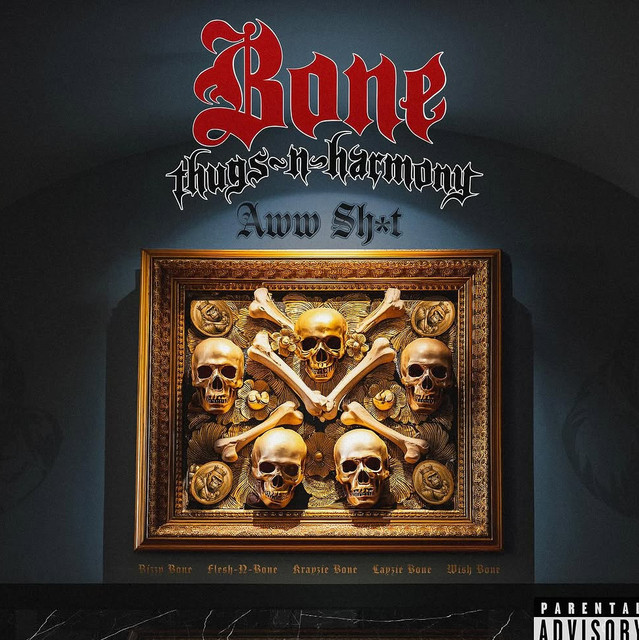
Ohio hip hop is a regional tapestry rather than a single clade, woven from the state’s three largest cities—Cleveland, Columbus, and Cincinnati—and the surrounding Midwest landscape. It emerged in the 1990s, with Cleveland’s Bone Thugs-n-Harmony at the forefront. The group fused rapid, melodic rapping with soulful harmonies, crafting a signature style that sounded like a speeded-up sermon and a streetwise lullaby at once. Their emergence on Ruthless Records produced a string of breakthrough releases—Creepin on ah Come Up (1994) and E. 1999 Eternal (1995)—that brought Ohio’s distinct flavor to the national stage. The era’s apex came with Tha Crossroads (1996), a Grammy-winning single that helped put Ohio on hip hop’s map and demonstrated the state’s ability to blend street grit with emotive melody.
From that early wave, Ohio’s scene diversified. The state became a cradle for both hardcore and more introspective, melodic forms. In the wake of Bone Thugs, Cleveland and its environs produced artists who pushed hip hop in new directions, including the rise of alt-leaning, emotionally open rap. Kid Cudi, a Cleveland native, became one of the most influential ambassadors of Ohio hip hop in the 2000s and beyond. His Man on the Moon albums fused hip hop with spacey, atmospheric production and confessional lyrics, helping normalize a more vulnerable, mood-driven approach within mainstream rap. Cudi’s international reach helped proverbially expand Ohio’s sound beyond the Midwest.
Another notable thread runs through the 2000s and 2010s with artists like Chip the Ripper (Chip Tha Ripper) from Cleveland, who helped popularize a more cloud-rap influenced, laid-back cadence that would feed into later sonic experimentation across the scene. Machine Gun Kelly, also from Cleveland, moved from rock-tinged tracks and rapid-fire verses to a broader pop-punk-rap crossovers in the 2010s, bringing Ohio’s voice to global streaming audiences and large festival stages. These artists—along with a broader roster in Columbus and Cincinnati—illustrate how Ohio hip hop has embraced both rugged street narratives and more melodic, experimental tendencies.
Sonic traits common to Ohio hip hop include a willingness to blend melodic hooks with rapid-fire flows, a strong use of soulful or atmospheric samples, and a flexibility toward trap, alternative, and emo-rap influences. The region’s producers and engineers have also helped craft a sound that can feel both intimate and expansive, balancing hard-edged street storytelling with introspective or anthemic moments.
In terms of reach, Ohio hip hop remains most firmly rooted in the United States, especially the Midwest, but it has enjoyed international attention thanks to its flagship acts. Bone Thugs-n-Harmony’s global influence persists among old-school fans, while Kid Cudi’s and MGK’s worldwide profiles have introduced many listeners to Ohio’s broader rap spectrum. Today, Ohio hip hop thrives in clubs, basements, and streaming playlists alike, continuing to evolve through collaborations that pair gritty regional experiences with global pop and electronic influences. It’s a genre marked by resilience, versatility, and a stubborn pride in a state that has repeatedly produced music that refuses to be neatly categorized.
From that early wave, Ohio’s scene diversified. The state became a cradle for both hardcore and more introspective, melodic forms. In the wake of Bone Thugs, Cleveland and its environs produced artists who pushed hip hop in new directions, including the rise of alt-leaning, emotionally open rap. Kid Cudi, a Cleveland native, became one of the most influential ambassadors of Ohio hip hop in the 2000s and beyond. His Man on the Moon albums fused hip hop with spacey, atmospheric production and confessional lyrics, helping normalize a more vulnerable, mood-driven approach within mainstream rap. Cudi’s international reach helped proverbially expand Ohio’s sound beyond the Midwest.
Another notable thread runs through the 2000s and 2010s with artists like Chip the Ripper (Chip Tha Ripper) from Cleveland, who helped popularize a more cloud-rap influenced, laid-back cadence that would feed into later sonic experimentation across the scene. Machine Gun Kelly, also from Cleveland, moved from rock-tinged tracks and rapid-fire verses to a broader pop-punk-rap crossovers in the 2010s, bringing Ohio’s voice to global streaming audiences and large festival stages. These artists—along with a broader roster in Columbus and Cincinnati—illustrate how Ohio hip hop has embraced both rugged street narratives and more melodic, experimental tendencies.
Sonic traits common to Ohio hip hop include a willingness to blend melodic hooks with rapid-fire flows, a strong use of soulful or atmospheric samples, and a flexibility toward trap, alternative, and emo-rap influences. The region’s producers and engineers have also helped craft a sound that can feel both intimate and expansive, balancing hard-edged street storytelling with introspective or anthemic moments.
In terms of reach, Ohio hip hop remains most firmly rooted in the United States, especially the Midwest, but it has enjoyed international attention thanks to its flagship acts. Bone Thugs-n-Harmony’s global influence persists among old-school fans, while Kid Cudi’s and MGK’s worldwide profiles have introduced many listeners to Ohio’s broader rap spectrum. Today, Ohio hip hop thrives in clubs, basements, and streaming playlists alike, continuing to evolve through collaborations that pair gritty regional experiences with global pop and electronic influences. It’s a genre marked by resilience, versatility, and a stubborn pride in a state that has repeatedly produced music that refuses to be neatly categorized.