Genre
canadian soundtrack
Top Canadian soundtrack Artists
Showing 25 of 25 artists
















About Canadian soundtrack
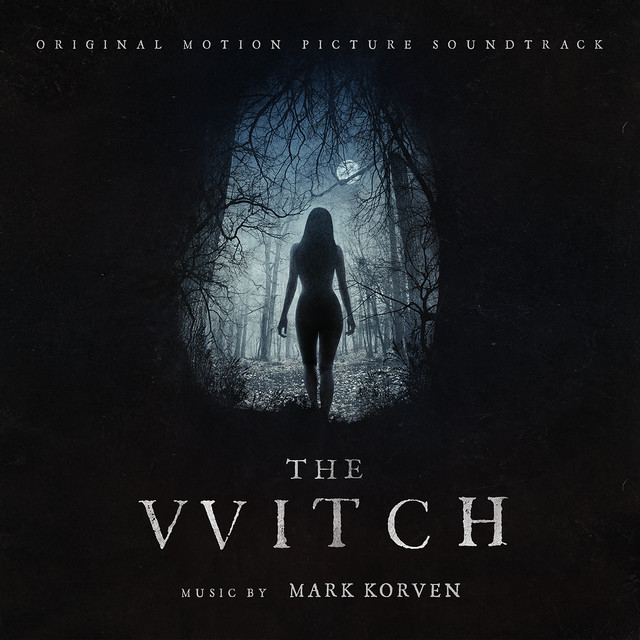
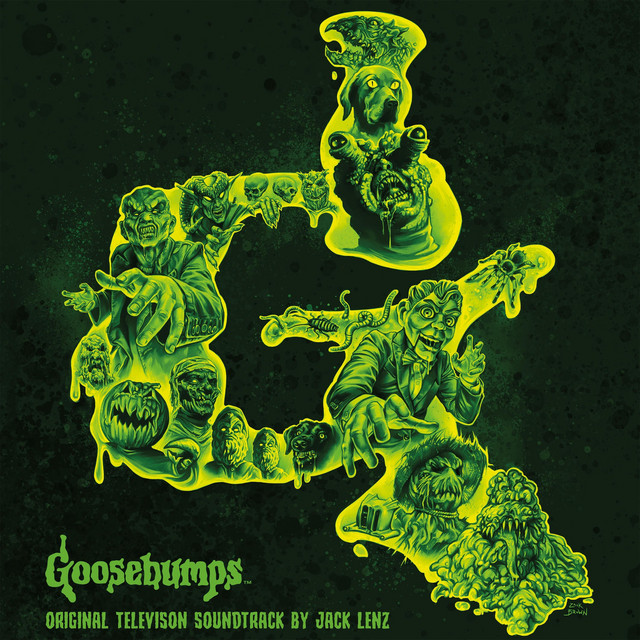
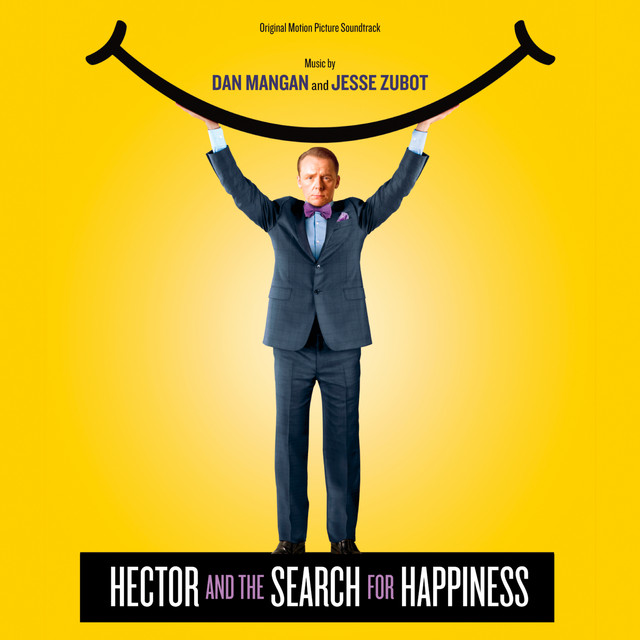
Canadian soundtrack is a term music enthusiasts often use to describe the distinctive body of screen music crafted by Canadian composers for film, television, and games. It isn’t a formal genre with a strict manifesto, but it denotes a coherent sonic sensibility that has emerged from Canada’s multicultural landscape and its world-spanning film industry. At its core, the Canadian soundtrack tends to blend orchestral grandeur with intimate textures, and it frequently embraces a willingness to fuse traditional symphonic writing with folk, world, and electronic colors.
The “birth” of this identity can be traced to the late 20th century, when Canadian composers began receiving global attention for high-profile scores. One clear inflection point was Howard Shore, a Montreal-born maestro whose career exploded onto the world stage with stark, cinematic orchestration. Shore’s work on projects like The Silence of the Lambs and the epic Lord of the Rings trilogy established a template for grand, character-driven scoring that many later Canadian composers would echo. Shore’s success helped put Canadian film music on the international map, proving that a Canadian voice could carry sweeping, internationally resonant scores.
Another central figure is Mychael Danna, a Winnipeg-born composer whose fusion of orchestral tone with global influences helped broaden what a Canadian soundtrack could sound like. Danna’s Life of Pi, with its blend of Western orchestration and Indian musical textures, is often cited as a landmark example of the genre’s cross-cultural potential. It demonstrated how Canadian sensibilities—craft, rigor, and openness to diversity—could translate into emotionally expansive scores that connect with audiences around the world. Danna has also contributed to other major projects, reinforcing the idea that Canadian composers can operate across pan-continental styles.
Jeff Danna, Mychael’s brother, has contributed to the ecosystem as well, further enriching the Canadian soundtrack’s range. Together, these artists model an ambassadorial role for a Canadian approach to scoring: the ability to anchor a film’s emotional core while wandering into varied sonic territories, whether rooted in classical symphony, folk motifs, or contemporary electronics.
In terms of sound, Canadian scores often emphasize melodic clarity, robust orchestration, and a cinematic scope that serves large, narrative-driven films, yet they remain capable of austere, intimate moments. The texture can swing from lush strings and choir to sparse piano, ambient ambience, and carefully integrated world-music influences. This versatility reflects Canada’s own cultural mosaic and its film industry’s exposure to both North American production ecosystems and international collaborations.
Where is this music most popular? It’s most pronounced in Canada and the United States, with strong followings in the United Kingdom and across Europe. Beyond these hubs, concert halls and streaming audiences around Asia, Oceania, and elsewhere increasingly seek out Canadian-sounding scores for their craftsmanship and emotional breadth. For enthusiasts, the Canadian soundtrack offers a bridge: it feels both familiar in its orchestral vocabulary and adventurous in its willingness to blend global textures.
If you’re exploring this realm, listen for the emotional architecture—the way themes carry characters through sweeping scenes, and how a Canadian composer can fuse epic scale with intimate nuance. The genre’s ambassadors—Shore, Danna, and their contemporaries—invite you to hear how a Canadian voice can shape the emotional language of cinema worldwide.
The “birth” of this identity can be traced to the late 20th century, when Canadian composers began receiving global attention for high-profile scores. One clear inflection point was Howard Shore, a Montreal-born maestro whose career exploded onto the world stage with stark, cinematic orchestration. Shore’s work on projects like The Silence of the Lambs and the epic Lord of the Rings trilogy established a template for grand, character-driven scoring that many later Canadian composers would echo. Shore’s success helped put Canadian film music on the international map, proving that a Canadian voice could carry sweeping, internationally resonant scores.
Another central figure is Mychael Danna, a Winnipeg-born composer whose fusion of orchestral tone with global influences helped broaden what a Canadian soundtrack could sound like. Danna’s Life of Pi, with its blend of Western orchestration and Indian musical textures, is often cited as a landmark example of the genre’s cross-cultural potential. It demonstrated how Canadian sensibilities—craft, rigor, and openness to diversity—could translate into emotionally expansive scores that connect with audiences around the world. Danna has also contributed to other major projects, reinforcing the idea that Canadian composers can operate across pan-continental styles.
Jeff Danna, Mychael’s brother, has contributed to the ecosystem as well, further enriching the Canadian soundtrack’s range. Together, these artists model an ambassadorial role for a Canadian approach to scoring: the ability to anchor a film’s emotional core while wandering into varied sonic territories, whether rooted in classical symphony, folk motifs, or contemporary electronics.
In terms of sound, Canadian scores often emphasize melodic clarity, robust orchestration, and a cinematic scope that serves large, narrative-driven films, yet they remain capable of austere, intimate moments. The texture can swing from lush strings and choir to sparse piano, ambient ambience, and carefully integrated world-music influences. This versatility reflects Canada’s own cultural mosaic and its film industry’s exposure to both North American production ecosystems and international collaborations.
Where is this music most popular? It’s most pronounced in Canada and the United States, with strong followings in the United Kingdom and across Europe. Beyond these hubs, concert halls and streaming audiences around Asia, Oceania, and elsewhere increasingly seek out Canadian-sounding scores for their craftsmanship and emotional breadth. For enthusiasts, the Canadian soundtrack offers a bridge: it feels both familiar in its orchestral vocabulary and adventurous in its willingness to blend global textures.
If you’re exploring this realm, listen for the emotional architecture—the way themes carry characters through sweeping scenes, and how a Canadian composer can fuse epic scale with intimate nuance. The genre’s ambassadors—Shore, Danna, and their contemporaries—invite you to hear how a Canadian voice can shape the emotional language of cinema worldwide.