Genre
oromo pop
Top Oromo pop Artists
Showing 25 of 37 artists



About Oromo pop
Oromo pop is a vibrant, contemporary music genre rooted in the Oromo people of Ethiopia and the wider Oromia region. It centers the Oromo language (Afaan Oromoo) and a sense of cultural identity, while drawing on a global palette of rhythms and production styles. Born from the late 1990s into the 2000s, the scene grew as urban Ethiopian musicians began to fuse traditional Oromo melodic sensibilities with modern pop, Afrobeat, hip-hop, and R&B. The rise of streaming, social media, and a dynamic Oromo diaspora accelerated its spread beyond the capital and major towns, turning Oromo pop into a pan-regional and international conversation.
Sonically, Oromo pop sits at the intersection of tradition and modernity. Songs often feature melodic vocal lines, call-and-response textures, and poetic Oromo storytelling, layered over contemporary grooves—pulsing drum patterns, polished synths, and danceable basslines. Traditional elements—such as modal scales, pentatonic melodies, and instrumental timbres that evoke the region's musical heritage—are blended with electric guitars, keyboards, programmed drums, and electronic production. The result is music that can feel intimate and earthy in one moment, then sleek and club-ready in the next. Lyrically, Oromo pop ranges from romantic ballads to social commentary, with many songs addressing identity, resilience, love, migration, and the political awakenings that have shaped the Oromo experience in the Horn of Africa and in the diaspora.
Historically, the genre has traveled through political and cultural currents. The Oromo language became a potent vehicle for expression during moments of cultural revival and political mobilization, allowing artists to speak to a large, diverse audience in their mother tongue. The 2010s saw a surge of releases that balanced catchy, radio-friendly hooks with messages of unity and pride. The late 2010s and early 2020s then saw an even broader international footprint as young musicians in Europe, North America, and the Middle East embraced Oromo pop, collaborating across borders and bringing new production techniques to the sound. The music often travels with a strong sense of community—the stories told in songs echo the experiences of students, expatriates, and workers who maintain ties to Oromia while building lives abroad.
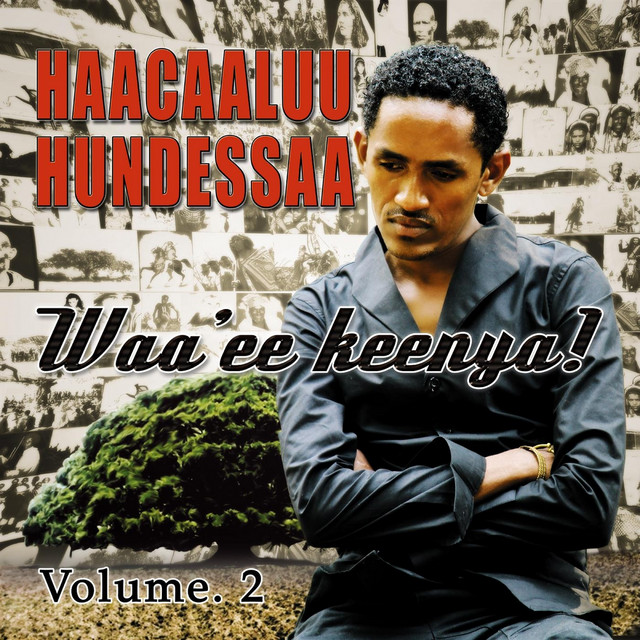
Ambassadors and key figures in Oromo pop include artists who popularized the language and sound across Ethiopia and in the Oromo diaspora. The most widely recognized ambassador is Hachalu Hundessa, whose repertoire and public persona brought Oromo-language pop to a national and international audience, transforming it into a symbol of cultural pride and social commentary. His work, before his untimely death in 2020, inspired a new generation to express personal and collective identity through pop music. Beyond him, a new wave of artists—many working in studios across Addis Ababa and in major European and North American cities—continues to push the genre forward, blending hip-hop, R&B, and EDM with Oromo lyrics and rhythms. These artists and collectives act as cultural ambassadors, spreading the sound to fans who crave fresh, identity-affirming music that still feels distinctly Oromo.
Oromo pop today is popular not only in Ethiopia but within the global Oromo community—especially in countries with sizeable Oromo diasporas, such as Sweden, the United States, Canada, and the United Kingdom—where concerts, festivals, and online releases keep the genre thriving. For music enthusiasts, Oromo pop offers a lens into contemporary Oromo life: a bridge between tradition and modernity, local pride and global reach, intimate vocals and club-ready energy.
Sonically, Oromo pop sits at the intersection of tradition and modernity. Songs often feature melodic vocal lines, call-and-response textures, and poetic Oromo storytelling, layered over contemporary grooves—pulsing drum patterns, polished synths, and danceable basslines. Traditional elements—such as modal scales, pentatonic melodies, and instrumental timbres that evoke the region's musical heritage—are blended with electric guitars, keyboards, programmed drums, and electronic production. The result is music that can feel intimate and earthy in one moment, then sleek and club-ready in the next. Lyrically, Oromo pop ranges from romantic ballads to social commentary, with many songs addressing identity, resilience, love, migration, and the political awakenings that have shaped the Oromo experience in the Horn of Africa and in the diaspora.
Historically, the genre has traveled through political and cultural currents. The Oromo language became a potent vehicle for expression during moments of cultural revival and political mobilization, allowing artists to speak to a large, diverse audience in their mother tongue. The 2010s saw a surge of releases that balanced catchy, radio-friendly hooks with messages of unity and pride. The late 2010s and early 2020s then saw an even broader international footprint as young musicians in Europe, North America, and the Middle East embraced Oromo pop, collaborating across borders and bringing new production techniques to the sound. The music often travels with a strong sense of community—the stories told in songs echo the experiences of students, expatriates, and workers who maintain ties to Oromia while building lives abroad.
Ambassadors and key figures in Oromo pop include artists who popularized the language and sound across Ethiopia and in the Oromo diaspora. The most widely recognized ambassador is Hachalu Hundessa, whose repertoire and public persona brought Oromo-language pop to a national and international audience, transforming it into a symbol of cultural pride and social commentary. His work, before his untimely death in 2020, inspired a new generation to express personal and collective identity through pop music. Beyond him, a new wave of artists—many working in studios across Addis Ababa and in major European and North American cities—continues to push the genre forward, blending hip-hop, R&B, and EDM with Oromo lyrics and rhythms. These artists and collectives act as cultural ambassadors, spreading the sound to fans who crave fresh, identity-affirming music that still feels distinctly Oromo.
Oromo pop today is popular not only in Ethiopia but within the global Oromo community—especially in countries with sizeable Oromo diasporas, such as Sweden, the United States, Canada, and the United Kingdom—where concerts, festivals, and online releases keep the genre thriving. For music enthusiasts, Oromo pop offers a lens into contemporary Oromo life: a bridge between tradition and modernity, local pride and global reach, intimate vocals and club-ready energy.