Genre
orquestas de galicia
Top Orquestas de galicia Artists
Showing 5 of 5 artists
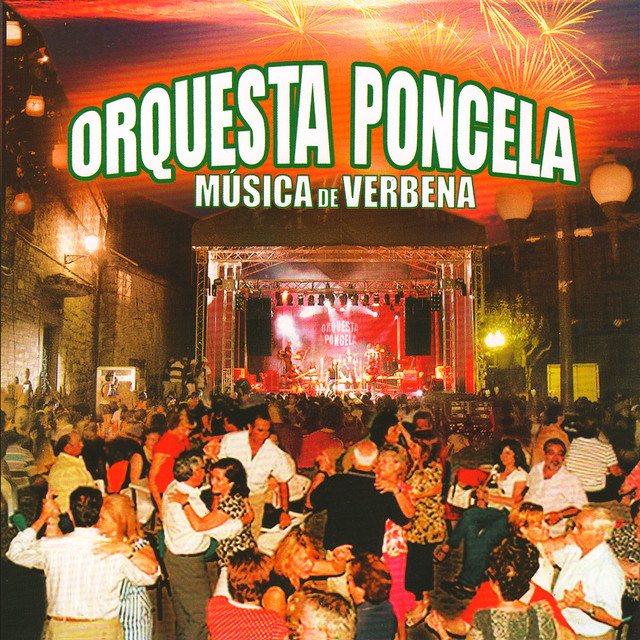
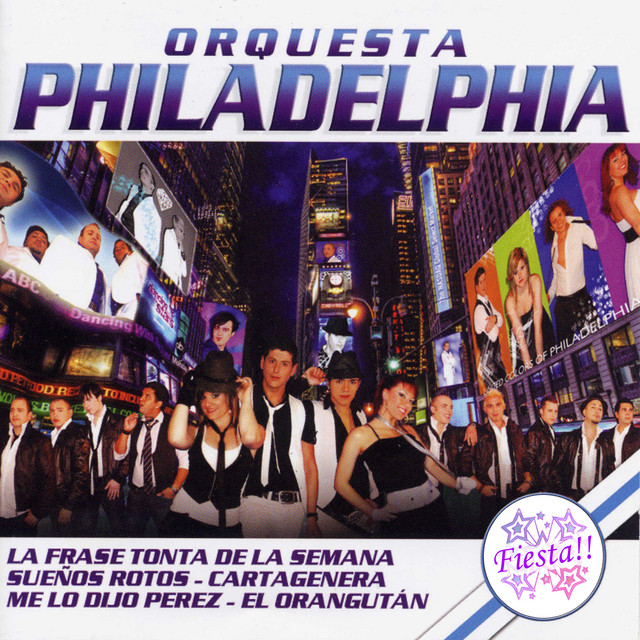
About Orquestas de galicia
Orquestas de Galicia are large, genre-defining dance orchestras rooted in the social life of Galicia, the autonomous region in the northwest of Spain. Born in the mid-20th century, they emerged to provide lively, live-music backdrops for parish dances, weddings, fiestas patronais, and night-time gatherings that knit communities together after years of hardship and reshaping social life. Over decades they have become one of the region’s most recognizable cultural signatures, a sound that blends ancestral Galician roots with the universal appeal of danceable popular music.
The birth of the genre coincided with a broader European tradition of baile orchestras—big ensembles designed to move crowds. In Galicia, the orchestras grew from local societies, clubs and municipal celebrations, especially in coastal and urban centers like A Coruña, Vigo, Ferrol, Lugo and Ourense. They capitalized on Galicia’s strong diaspora networks, traveling between towns for major festas and, in some periods, beyond Galicia to other parts of Spain and Portugal. The late Franco and post-Franco eras saw these groups consolidate a distinctive Galician dance music identity, one that could honor muñeiras and other folk forms while embracing global styles.
Musically, orquestas de Galicia are characterized by a brass-forward sound with a full rhythm section and multiple vocalists. A typical stage includes trumpet, trombone and saxophone lines, reinforced by keyboards, guitars, bass, and drums. Many ensembles feature two or three vocalists—one often serving as the lead—who can move from traditional Galician tunes to pop ballads, boleros, and contemporary dance hits. The instrumentation makes room for lively call-and-response moments, extended instrumental breaks, and crowd-pleasing finales that can transform a simple dance into a communal event.
Their repertoire is a telling map of Galicia’s cultural hybridity. Traditional Galician tunes—muñeiras and other regional dances—receive new life through arranged versions that fit a big-band sensibility. At the same time, orquestas de Galicia perform a broad range of styles: pasodobles, fox-trots, boleros, and Latin rhythms like salsa and merengue, as well as modern pop covers. It is common for programs to be tailored to the event, alternating between rustic, folkloric pieces and high-energy dance tracks designed to fill a floor and keep guests moving.
Geographically, these orchestras are most popular in Galicia and in Galicia’s neighboring regions, but their appeal travels with Galicia’s emigrant communities. In Argentina, Uruguay, and other Latin American countries with Galician connections, Galician fiestas often host orquestas with repertoires that resonate with diaspora audiences, strengthening cultural ties across oceans.
Ambassadors of the genre are the orchestras themselves and the singers who front them. Long-running ensembles become synonymous with Galician festive life, and charismatic cantantes—singers who command the dance floor and the mic—emerge as local celebrities. In recent times, the scene has absorbed contemporary production techniques and cross-genre collaborations while preserving the communal, celebratory spirit that defines Galicia’s baile culture.
For music enthusiasts, orquestas de Galicia offer a living, evolving tradition: a bridge between memory and the present, a sonic canvas where Galicia’s folk identity meets the universal language of dance.
The birth of the genre coincided with a broader European tradition of baile orchestras—big ensembles designed to move crowds. In Galicia, the orchestras grew from local societies, clubs and municipal celebrations, especially in coastal and urban centers like A Coruña, Vigo, Ferrol, Lugo and Ourense. They capitalized on Galicia’s strong diaspora networks, traveling between towns for major festas and, in some periods, beyond Galicia to other parts of Spain and Portugal. The late Franco and post-Franco eras saw these groups consolidate a distinctive Galician dance music identity, one that could honor muñeiras and other folk forms while embracing global styles.
Musically, orquestas de Galicia are characterized by a brass-forward sound with a full rhythm section and multiple vocalists. A typical stage includes trumpet, trombone and saxophone lines, reinforced by keyboards, guitars, bass, and drums. Many ensembles feature two or three vocalists—one often serving as the lead—who can move from traditional Galician tunes to pop ballads, boleros, and contemporary dance hits. The instrumentation makes room for lively call-and-response moments, extended instrumental breaks, and crowd-pleasing finales that can transform a simple dance into a communal event.
Their repertoire is a telling map of Galicia’s cultural hybridity. Traditional Galician tunes—muñeiras and other regional dances—receive new life through arranged versions that fit a big-band sensibility. At the same time, orquestas de Galicia perform a broad range of styles: pasodobles, fox-trots, boleros, and Latin rhythms like salsa and merengue, as well as modern pop covers. It is common for programs to be tailored to the event, alternating between rustic, folkloric pieces and high-energy dance tracks designed to fill a floor and keep guests moving.
Geographically, these orchestras are most popular in Galicia and in Galicia’s neighboring regions, but their appeal travels with Galicia’s emigrant communities. In Argentina, Uruguay, and other Latin American countries with Galician connections, Galician fiestas often host orquestas with repertoires that resonate with diaspora audiences, strengthening cultural ties across oceans.
Ambassadors of the genre are the orchestras themselves and the singers who front them. Long-running ensembles become synonymous with Galician festive life, and charismatic cantantes—singers who command the dance floor and the mic—emerge as local celebrities. In recent times, the scene has absorbed contemporary production techniques and cross-genre collaborations while preserving the communal, celebratory spirit that defines Galicia’s baile culture.
For music enthusiasts, orquestas de Galicia offer a living, evolving tradition: a bridge between memory and the present, a sonic canvas where Galicia’s folk identity meets the universal language of dance.