Genre
outsider
Top Outsider Artists
Showing 25 of 58 artists















About Outsider
Outsider, as a music term, is less a fixed sound than a posture: a label critics apply to music made from outside the mainstream, often by self-taught or self-released artists who operate on the margins of the industry. It foregrounds authenticity over polish, raw emotion over commercial aims, and a willingness to follow idiosyncrasy wherever it leads. The result is a breed of songs and albums that feel “unplugged from the center” yet magnetic for listeners who crave invention and vulnerability.
Origins and birth of the concept
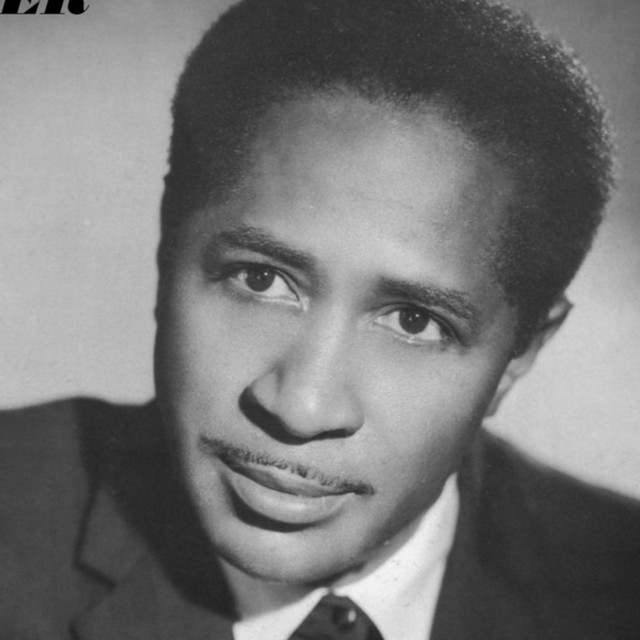
Outsider music crystallized in the professional imagination in the late 1960s and beyond, with genuine prototypes appearing in the home-recording, private-press world. The Shaggs’ Philosophy of the World (1969) is often cited as a canonical outsider work: earnest, offbeat, technically imperfect, and mesmerizing in its singular vision. Another landmark is Moondog (Louis Thomas Hardin), a blind, Kansas-born composer who created highly creative, unconventional music on the streets and in city studios long before it became a buzzword. In the critical sphere, the term was later popularized by writer and radio host Irwin Chusid, who, in his 2000 book Songs in the Key of Z: The Curious Universe of Outsider Music, defined the category as music made by self-taught or emotionally unorthodox creators who operate outside the commercial system. The label has endured because it captures a genuine impulse: making art with whatever means are available, often in private space or on limited cassette and vinyl runs.
Key artists and ambassadors
Outsider music has a rotating pantheon, anchored by a handful of enduring icons. The Shaggs remain a touchstone for naive but fearless composition. Daniel Johnston, the Texas singer-songwriter who released raw, intimate records in the 1980s and 1990s, became a touchpoint for countless bedroom artists who value honesty over technique. Jandek, an enigmatic figure who has released decades of opaque, improvisational albums from his own label, embodies the mystery and uncompromising independence at the genre’s core. R. Stevie Moore, often celebrated as the “godfather of home recording,” embodies prolific DIY ethos and eccentric phrasing. Wesley Willis brought theatricality and a stark, comic matter-of-factness to his Chicago scene, turning public spaces into stages for his distinctive truth-telling. Moondog’s later influence is also felt in the way outsiders insist on a personal sonic language that resists categorization.
What the sound tends to feel like
Outsider music covers a wide sonic spectrum, but certain threads recur: deliberately imperfect production, off-key melodies, unconventional song structures, and lyrics that reveal intimate visions rather than polished narratives. The appeal lies in immediacy and personality—the sense that the artist is speaking directly from a private universe, not performing to win fans or radio play. For enthusiasts, the genre opens doors to lo-fi, DIY, and avant-garde approaches that blur the line between art and life.
Global reach and appeal
The US remains the core ground where outsider luminaries first flourished, but the idea resonates across Europe and beyond. The UK, Nordic countries, and continental Europe have cultivated niche communities and reissue interest, while Japan and Latin America host vibrant pockets of listeners who connect through contemporary DIY labels, cassettes, and online platforms. In today’s streaming-and-digital age, outsider music has become a global curiosity—an invitation to hear how artists navigate the margins with singular courage.
In short, outsider is less a style than a stance: a brave, unvarnished willingness to make music exactly as one sees it, free of expectation and apology.
Origins and birth of the concept
Outsider music crystallized in the professional imagination in the late 1960s and beyond, with genuine prototypes appearing in the home-recording, private-press world. The Shaggs’ Philosophy of the World (1969) is often cited as a canonical outsider work: earnest, offbeat, technically imperfect, and mesmerizing in its singular vision. Another landmark is Moondog (Louis Thomas Hardin), a blind, Kansas-born composer who created highly creative, unconventional music on the streets and in city studios long before it became a buzzword. In the critical sphere, the term was later popularized by writer and radio host Irwin Chusid, who, in his 2000 book Songs in the Key of Z: The Curious Universe of Outsider Music, defined the category as music made by self-taught or emotionally unorthodox creators who operate outside the commercial system. The label has endured because it captures a genuine impulse: making art with whatever means are available, often in private space or on limited cassette and vinyl runs.
Key artists and ambassadors
Outsider music has a rotating pantheon, anchored by a handful of enduring icons. The Shaggs remain a touchstone for naive but fearless composition. Daniel Johnston, the Texas singer-songwriter who released raw, intimate records in the 1980s and 1990s, became a touchpoint for countless bedroom artists who value honesty over technique. Jandek, an enigmatic figure who has released decades of opaque, improvisational albums from his own label, embodies the mystery and uncompromising independence at the genre’s core. R. Stevie Moore, often celebrated as the “godfather of home recording,” embodies prolific DIY ethos and eccentric phrasing. Wesley Willis brought theatricality and a stark, comic matter-of-factness to his Chicago scene, turning public spaces into stages for his distinctive truth-telling. Moondog’s later influence is also felt in the way outsiders insist on a personal sonic language that resists categorization.
What the sound tends to feel like
Outsider music covers a wide sonic spectrum, but certain threads recur: deliberately imperfect production, off-key melodies, unconventional song structures, and lyrics that reveal intimate visions rather than polished narratives. The appeal lies in immediacy and personality—the sense that the artist is speaking directly from a private universe, not performing to win fans or radio play. For enthusiasts, the genre opens doors to lo-fi, DIY, and avant-garde approaches that blur the line between art and life.
Global reach and appeal
The US remains the core ground where outsider luminaries first flourished, but the idea resonates across Europe and beyond. The UK, Nordic countries, and continental Europe have cultivated niche communities and reissue interest, while Japan and Latin America host vibrant pockets of listeners who connect through contemporary DIY labels, cassettes, and online platforms. In today’s streaming-and-digital age, outsider music has become a global curiosity—an invitation to hear how artists navigate the margins with singular courage.
In short, outsider is less a style than a stance: a brave, unvarnished willingness to make music exactly as one sees it, free of expectation and apology.