Genre
pacific islands gospel
Top Pacific islands gospel Artists
Showing 19 of 19 artists
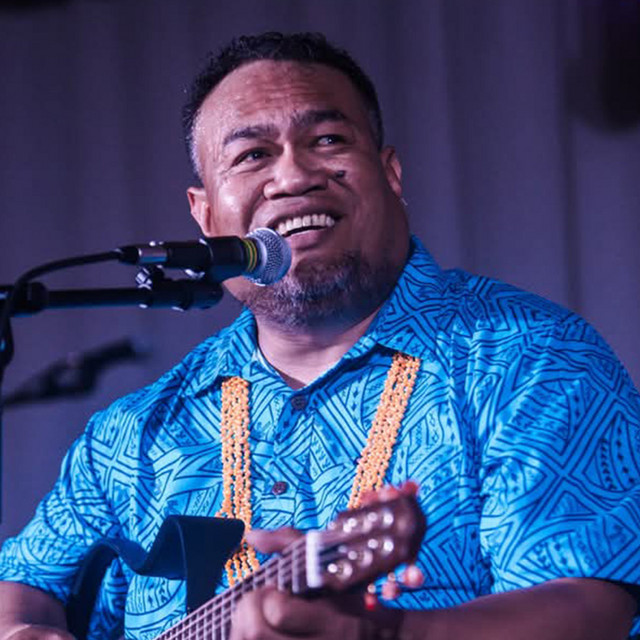

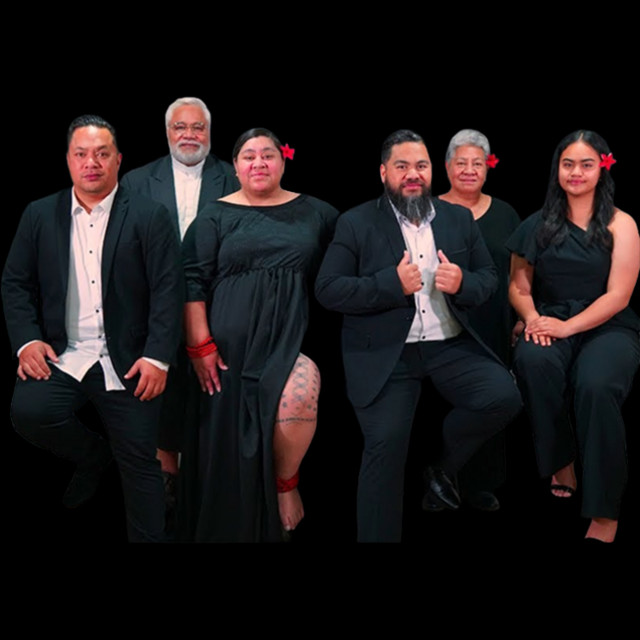



About Pacific islands gospel
Pacific Islands gospel is a dynamic family of worship music that blends the heart of Christian gospel with the musical languages and rhythms of Polynesian, Melanesian, and Micronesian traditions. It isn’t a single fixed sound but a spectrum of styles that arose where faith communities and island identities intersect, from church pews in Samoa and Tonga to homes and festivals across Hawai‘i, Aotearoa New Zealand, Fiji, and the Pacific diaspora around the world.
The genre’s birth sits in the broader history of Christian missions in the Pacific during the 19th and early 20th centuries. Missionaries introduced Western hymnody and gospel forms, but local musicians quickly made the music their own—translating hymns into Samoan, Tongan, Fijian, Māori and Pacific pidgins, and infusing them with island vocal traditions. By mid- to late-20th century, vibrant church choirs, revival meetings, and school and community performances had begun to define a distinctly Pacific Islands gospel sound. In the decades that followed, diasporic communities in New Zealand, Australia, Hawai‘i, and North America further shaped the genre through collaboration, studio recording, and cross-genre experimentation.
Stylistically, Pacific Islands gospel favors strong, resonant vocal harmonies, call-and-response patterns, and a communal ethos that makes worship feel like a shared celebration. Instrumentation ranges from piano, acoustic guitar, and ukulele to traditional percussion and drum kits, often layered with palm-speed rhythms and percussive claps and stomps. The music can be buoyant and danceable, with island grooves driving the tempo, or deeply devotional, with intimate ballads and testimonies. Languages are typically mixed—Samoan, Tongan, Fijian, Māori, Hawaiian and English—reflecting the region’s multilingual communities and the diasporas that keep the tradition alive far from its places of origin. The spirituality is unabashedly hopeful, frequently centered on praise, salvation, resilience, and community healing.
Culturally, Pacific Islands gospel functions as a vessel for language preservation, intergenerational transmission of faith, and the renegotiation of island identity in a modern world. It provides a sonic space where elders, church leaders, and youth can meet—often in large choirs and smaller praise bands—creating music that feels both rooted and contemporary. The gospel scene has also become a bridge across the Pacific, with collaborations that blend reggae, R&B, and even hip-hop textures with island cadences, expanding the reach of the music beyond traditional church contexts into festivals, radio, and streaming playlists.
In terms of ambassadors and key figures, the scene is deeply community-driven. Ambassadors are often church choirs, worship leaders, and regional recording artists who tour churches, schools, and cultural events, as well as diaspora musicians who anchor Pacific Islands gospel in Auckland, Sydney, Honolulu, and beyond. While there isn’t one canonical set of stars, the genre is sustained by passionate pastors, choir directors, and soloists who release albums, organize gospel revivals, and mentor younger singers.
For enthusiasts, exploring Pacific Islands gospel means listening for the warm, communal energy, the multilingual storytelling, and the way faith, language, and island rhythms come together to create a sound that feels both ancient and freshly contemporary.
The genre’s birth sits in the broader history of Christian missions in the Pacific during the 19th and early 20th centuries. Missionaries introduced Western hymnody and gospel forms, but local musicians quickly made the music their own—translating hymns into Samoan, Tongan, Fijian, Māori and Pacific pidgins, and infusing them with island vocal traditions. By mid- to late-20th century, vibrant church choirs, revival meetings, and school and community performances had begun to define a distinctly Pacific Islands gospel sound. In the decades that followed, diasporic communities in New Zealand, Australia, Hawai‘i, and North America further shaped the genre through collaboration, studio recording, and cross-genre experimentation.
Stylistically, Pacific Islands gospel favors strong, resonant vocal harmonies, call-and-response patterns, and a communal ethos that makes worship feel like a shared celebration. Instrumentation ranges from piano, acoustic guitar, and ukulele to traditional percussion and drum kits, often layered with palm-speed rhythms and percussive claps and stomps. The music can be buoyant and danceable, with island grooves driving the tempo, or deeply devotional, with intimate ballads and testimonies. Languages are typically mixed—Samoan, Tongan, Fijian, Māori, Hawaiian and English—reflecting the region’s multilingual communities and the diasporas that keep the tradition alive far from its places of origin. The spirituality is unabashedly hopeful, frequently centered on praise, salvation, resilience, and community healing.
Culturally, Pacific Islands gospel functions as a vessel for language preservation, intergenerational transmission of faith, and the renegotiation of island identity in a modern world. It provides a sonic space where elders, church leaders, and youth can meet—often in large choirs and smaller praise bands—creating music that feels both rooted and contemporary. The gospel scene has also become a bridge across the Pacific, with collaborations that blend reggae, R&B, and even hip-hop textures with island cadences, expanding the reach of the music beyond traditional church contexts into festivals, radio, and streaming playlists.
In terms of ambassadors and key figures, the scene is deeply community-driven. Ambassadors are often church choirs, worship leaders, and regional recording artists who tour churches, schools, and cultural events, as well as diaspora musicians who anchor Pacific Islands gospel in Auckland, Sydney, Honolulu, and beyond. While there isn’t one canonical set of stars, the genre is sustained by passionate pastors, choir directors, and soloists who release albums, organize gospel revivals, and mentor younger singers.
For enthusiasts, exploring Pacific Islands gospel means listening for the warm, communal energy, the multilingual storytelling, and the way faith, language, and island rhythms come together to create a sound that feels both ancient and freshly contemporary.