Genre
pacific islands pop
Top Pacific islands pop Artists
Showing 25 of 31 artists
















About Pacific islands pop
Pacific Islands pop is a broad, sun-drenched umbrella for the pop music that comes out of the Pacific Island world—from Hawaii and Tahiti to Samoa, Fiji, Tonga, and Māori- and Pacific-descended artists across New Zealand and Australia. It isn’t a single rigid sound, but a living cross-pollination: glossy, hook-laden pop rhythms fused with traditional percussion, chant-like melodies, and island hospitality in the production. The result is music that feels both recognizably modern and deeply rooted in place and identity.
The lineage of Pacific Islands pop runs through early hapa-haole songs in Hawaii, where traditional melodies met American swing and crooning in the 20th century. Those cross-cultural experiments laid the groundwork for a pop-inclined Pacific sound that would evolve as the islands’ diasporas spread. By the late 20th century, Hawaiian pop had softened into mainstream-friendly tunes, while in the Pacific diaspora—especially in New Zealand and Australia—artists began stitching Western pop, R&B, reggae, and hip‑hop to their own languages and stories. The result was a fresh, multi-voice pop vocabulary that could travel far beyond its geographic origins.
In recent decades, the scene has blossomed into a recognizable current within world pop. It thrives on bilingual lyrics—English threaded with Samoan, Tahitian, Maori, Tongan, or Fijian phrases—allowing artists to speak to both local audiences and global listeners. The sound palette favors bright, danceable beats, lean production, lush vocal harmonies, and occasional island instrumentation (slack-key guitar licks, ukulele, percussion). Yet it can also dive into slower, R&B-tinged ballads or upbeat hip‑hop tracks, proving the versatility of Pacific storytelling when filtered through pop aesthetics.
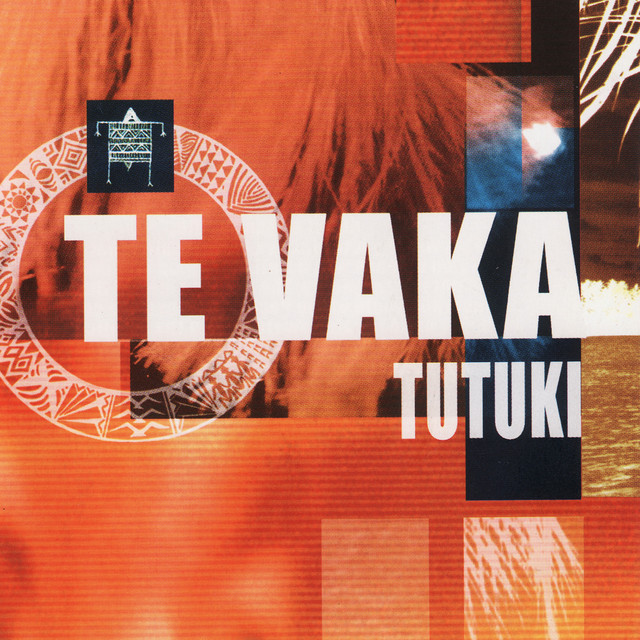
Key figures and ambassadors of the genre include Te Vaka, the New Zealand–based collective that brought Pacific musical storytelling to a worldwide audience with a handcrafted, drum-driven sound that honors Oceanic roots while appealing to global listeners. In Hawaii, Israel Kamakawiwo’ole (IZ) became a symbol of the era’s crossover appeal with his gentle, iconically intimate versions of pop and traditional tunes. Don Ho’s international stardom in the 1960s helped plant the idea that Pacific voices could anchor top‑tier pop. From the modern New Zealand scene, artists such as Aaradhna (a Samoan-Indian singer whose polished, soulful pop connects Pacific heritage with contemporary R&B) and O-Shen (a Samoan-born artist who blends hip-hop with Pacific sensibilities) stand out as contemporary ambassadors. In the hip-hop and urban lane, King Kapisi has helped push Pacific voices into a cosmopolitan, groove-forward space. Hawaiian beach-pop groups like Kolohe Kai have also contributed catchy, sunlit tracks that travel well online.
Pacific Islands pop is most popular where Pacific communities are strongest: Hawaii, New Zealand, and Australia; it resonates in Tahiti, Samoa, Fiji, Tonga, and other Pacific nations; and it finds receptive audiences in global destinations with large Pacific diasporas, including the United States mainland and parts of Europe. Its appeal rests on warmth, storytelling, and a willingness to blend languages and genres without losing the sense of place. For music enthusiasts, it’s a genre that invites celebration of language, community, and the endless horizons of pop’s possibilities.
The lineage of Pacific Islands pop runs through early hapa-haole songs in Hawaii, where traditional melodies met American swing and crooning in the 20th century. Those cross-cultural experiments laid the groundwork for a pop-inclined Pacific sound that would evolve as the islands’ diasporas spread. By the late 20th century, Hawaiian pop had softened into mainstream-friendly tunes, while in the Pacific diaspora—especially in New Zealand and Australia—artists began stitching Western pop, R&B, reggae, and hip‑hop to their own languages and stories. The result was a fresh, multi-voice pop vocabulary that could travel far beyond its geographic origins.
In recent decades, the scene has blossomed into a recognizable current within world pop. It thrives on bilingual lyrics—English threaded with Samoan, Tahitian, Maori, Tongan, or Fijian phrases—allowing artists to speak to both local audiences and global listeners. The sound palette favors bright, danceable beats, lean production, lush vocal harmonies, and occasional island instrumentation (slack-key guitar licks, ukulele, percussion). Yet it can also dive into slower, R&B-tinged ballads or upbeat hip‑hop tracks, proving the versatility of Pacific storytelling when filtered through pop aesthetics.
Key figures and ambassadors of the genre include Te Vaka, the New Zealand–based collective that brought Pacific musical storytelling to a worldwide audience with a handcrafted, drum-driven sound that honors Oceanic roots while appealing to global listeners. In Hawaii, Israel Kamakawiwo’ole (IZ) became a symbol of the era’s crossover appeal with his gentle, iconically intimate versions of pop and traditional tunes. Don Ho’s international stardom in the 1960s helped plant the idea that Pacific voices could anchor top‑tier pop. From the modern New Zealand scene, artists such as Aaradhna (a Samoan-Indian singer whose polished, soulful pop connects Pacific heritage with contemporary R&B) and O-Shen (a Samoan-born artist who blends hip-hop with Pacific sensibilities) stand out as contemporary ambassadors. In the hip-hop and urban lane, King Kapisi has helped push Pacific voices into a cosmopolitan, groove-forward space. Hawaiian beach-pop groups like Kolohe Kai have also contributed catchy, sunlit tracks that travel well online.
Pacific Islands pop is most popular where Pacific communities are strongest: Hawaii, New Zealand, and Australia; it resonates in Tahiti, Samoa, Fiji, Tonga, and other Pacific nations; and it finds receptive audiences in global destinations with large Pacific diasporas, including the United States mainland and parts of Europe. Its appeal rests on warmth, storytelling, and a willingness to blend languages and genres without losing the sense of place. For music enthusiasts, it’s a genre that invites celebration of language, community, and the endless horizons of pop’s possibilities.