Genre
pahadi pop
Top Pahadi pop Artists
Showing 25 of 31 artists











About Pahadi pop
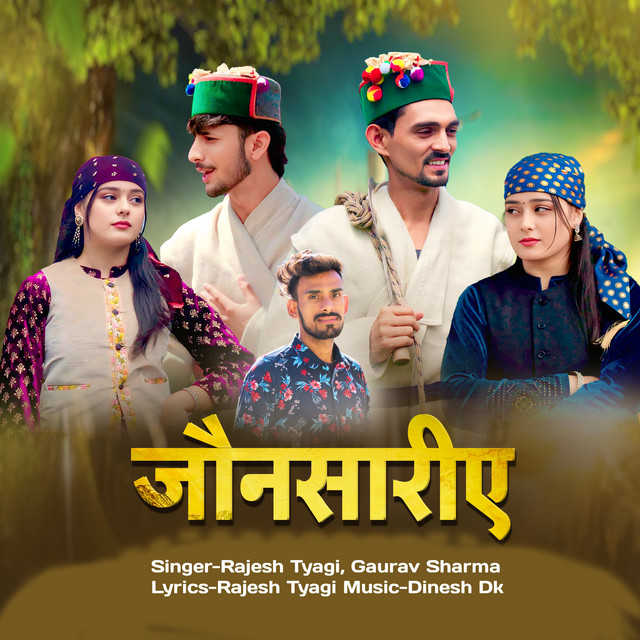
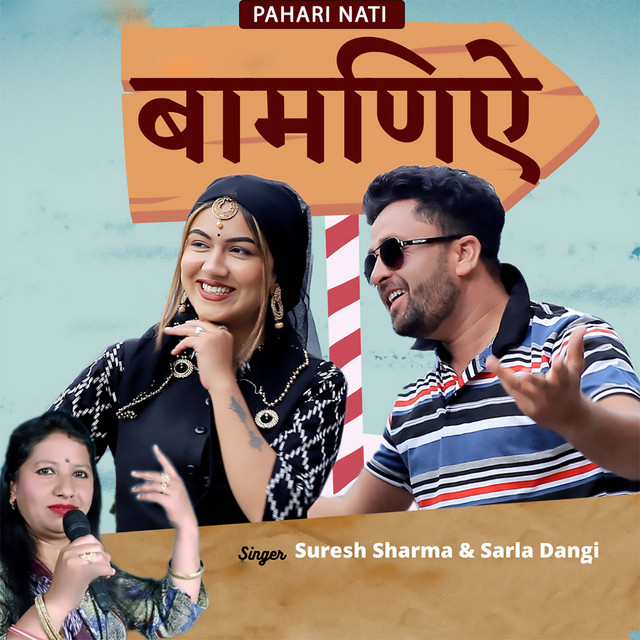
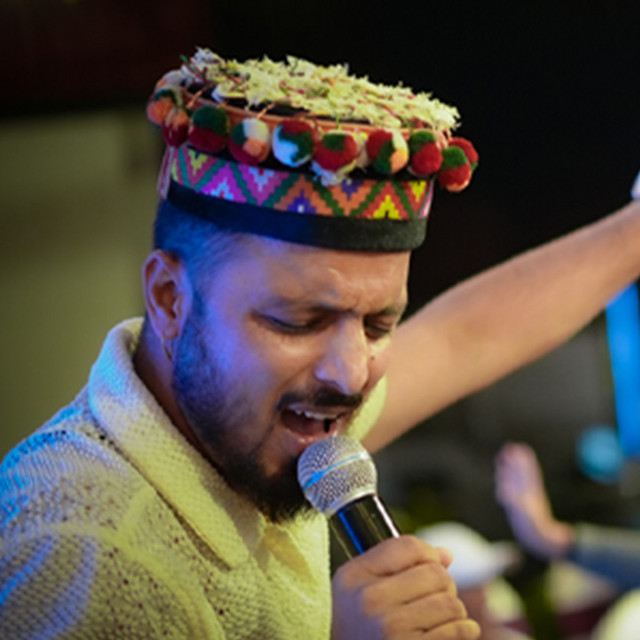
Pahadi pop, sometimes called Pahari pop or Himachali pop, is a contemporary music genre born from the crossroads of the Indian Himalayan belt and the global pop ecosystem. It blends the melodic speech of traditional pahari folk—from Kumaoni, Garhwali, and Himachali roots—with the punchy, polished forms of modern pop, electronic production, and occasional hip‑hop sensibilities. The result is a sound that feels both familiar to regional ears and fresh to a wider audience, capable of carrying intimate storytelling at club tempos and festival volumes alike.
Origins and evolution
The genre crystallized in the late 2000s and early 2010s as regional artists in Uttarakhand, Himachal Pradesh, and neighboring Nepal began releasing studio versions of traditional melodies, then layering guitar riffs, synth pads, and electronic drums over them. The internet and mobile video platforms accelerated a shift from purely live, village performances to recorded tracks that could travel far beyond the mountains. This democratization allowed musicians to experiment: keeping the cadence and ornamentation of pahari singing while adopting contemporary arrangements, hooks, and chorus-driven structures that suit streaming and radio play. Over the years, pahari pop has grown from a regional curiosity into a recognizable subgenre within the broader Indian indie and pop scenes.
Sound, languages, and instrumentation
Pahadi pop often centers around clear, singable melodies, a characteristic of pahari folk vocal style, but it frames them in familiar pop forms: verses built to a dynamic pre-chorus, a catchy chorus, and drop-ready beats. Instrumentation ranges from acoustic guitar, mandolin and harmonium to electric guitar, bass, synths, and electronic percussion. You’ll commonly hear rhythmic patterns in 4/4 at 100–120 BPM, with basslines and percussion that invite dancing while still preserving a storytelling tempo in the verses. Lyrically, the songs touch on mountains and seasons, nostalgia, love, diaspora experiences, and everyday life in hill towns, often switching between Hindi and regional languages like Garhwali, Kumaoni, or Himachali dialects for authentic texture.
Where it thrives and who listens
The core audience sits in northern India’s hill states and among the Nepalese communities, but the music travels through streaming platforms to urban centers across India and to the Indian diaspora in the United Kingdom, United States, Canada, and the Gulf regions. Pahadi pop serves as a cultural bridge—an accessible entry point for listeners curious about hillside life and a platform for regional languages to reach wider audiences. It also feeds into the fusion scene, collaborating with indie rock, Bollywood, and electronic producers, which broadens its appeal while preserving its regional soul.
Ambassadors and key figures
Today’s pahadi pop ambassadors are a new generation of multilingual artists who perform in multiple languages, push bilingual lyrics, and tour regional hubs as well as metropolitan stages. They are the faces of a vanguard that keeps the tradition alive while continually updating it with contemporary production, cross-genre collaborations, and social media storytelling. The scene is very much grassroots and evolving; new acts emerge regularly from Dehradun, Shimla, Nainital, Pokhara, Kathmandu, and beyond, each bringing a distinct regional flavor while contributing to a shared Himalayan pop identity.
In sum, pahadi pop is a living, evolving expression of the mountains—rooted in local tradition, buoyed by global pop languages, and sustained by the next generation of regional artists who turn hill tales into universal tunes.
Origins and evolution
The genre crystallized in the late 2000s and early 2010s as regional artists in Uttarakhand, Himachal Pradesh, and neighboring Nepal began releasing studio versions of traditional melodies, then layering guitar riffs, synth pads, and electronic drums over them. The internet and mobile video platforms accelerated a shift from purely live, village performances to recorded tracks that could travel far beyond the mountains. This democratization allowed musicians to experiment: keeping the cadence and ornamentation of pahari singing while adopting contemporary arrangements, hooks, and chorus-driven structures that suit streaming and radio play. Over the years, pahari pop has grown from a regional curiosity into a recognizable subgenre within the broader Indian indie and pop scenes.
Sound, languages, and instrumentation
Pahadi pop often centers around clear, singable melodies, a characteristic of pahari folk vocal style, but it frames them in familiar pop forms: verses built to a dynamic pre-chorus, a catchy chorus, and drop-ready beats. Instrumentation ranges from acoustic guitar, mandolin and harmonium to electric guitar, bass, synths, and electronic percussion. You’ll commonly hear rhythmic patterns in 4/4 at 100–120 BPM, with basslines and percussion that invite dancing while still preserving a storytelling tempo in the verses. Lyrically, the songs touch on mountains and seasons, nostalgia, love, diaspora experiences, and everyday life in hill towns, often switching between Hindi and regional languages like Garhwali, Kumaoni, or Himachali dialects for authentic texture.
Where it thrives and who listens
The core audience sits in northern India’s hill states and among the Nepalese communities, but the music travels through streaming platforms to urban centers across India and to the Indian diaspora in the United Kingdom, United States, Canada, and the Gulf regions. Pahadi pop serves as a cultural bridge—an accessible entry point for listeners curious about hillside life and a platform for regional languages to reach wider audiences. It also feeds into the fusion scene, collaborating with indie rock, Bollywood, and electronic producers, which broadens its appeal while preserving its regional soul.
Ambassadors and key figures
Today’s pahadi pop ambassadors are a new generation of multilingual artists who perform in multiple languages, push bilingual lyrics, and tour regional hubs as well as metropolitan stages. They are the faces of a vanguard that keeps the tradition alive while continually updating it with contemporary production, cross-genre collaborations, and social media storytelling. The scene is very much grassroots and evolving; new acts emerge regularly from Dehradun, Shimla, Nainital, Pokhara, Kathmandu, and beyond, each bringing a distinct regional flavor while contributing to a shared Himalayan pop identity.
In sum, pahadi pop is a living, evolving expression of the mountains—rooted in local tradition, buoyed by global pop languages, and sustained by the next generation of regional artists who turn hill tales into universal tunes.