Genre
panpipe
Top Panpipe Artists
Showing 25 of 30 artists













About Panpipe
Panpipe music is a dedicated lineage within world and folk traditions that centers the panpipes (pan flute) as its defining sound. It is not a single, isolated style but a family of practices that share a characteristic bright, breath-driven timbre and a natural affinity for melodic folk storytelling. Its roots reach back to pre-Columbian Andean civilizations, where two- and multi-row zampoñas (or siku) were crafted from locally grown reeds and bamboos. In those highland communities, panpipes were not only instruments but carriers of ritual, agricultural calendars, and communal memory. Over centuries the panpipe’s design and playing styles diversified, with the Andean zampoña becoming the most internationally visible form in the panpipe family.
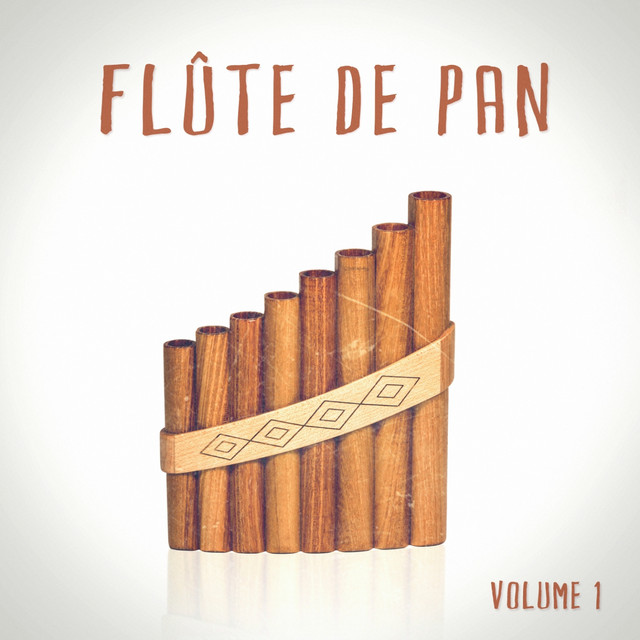
In the Andes, panpipe music typically features sets of tubes bound together, often in two staggered rows, with each tube sized to produce a specific pitch. Players must coordinate breath, embouchure, and, in ensembles, timing to achieve synchronous, polyphonic melodies. The diatonic character of many traditional zampoñas gives Andean panpipe music its instantly recognizable folk flavor—airy, piercing, and capable of singing across valleys and plains. Beyond the Andes, the panpipe as an instrument traveled the world, becoming a touchstone of “panpipe music” as a genre of its own within world music and new-age circles. The instrument’s timbre has proven especially adaptable to both intimate solo performances and lush, multi-instrument arrangements.
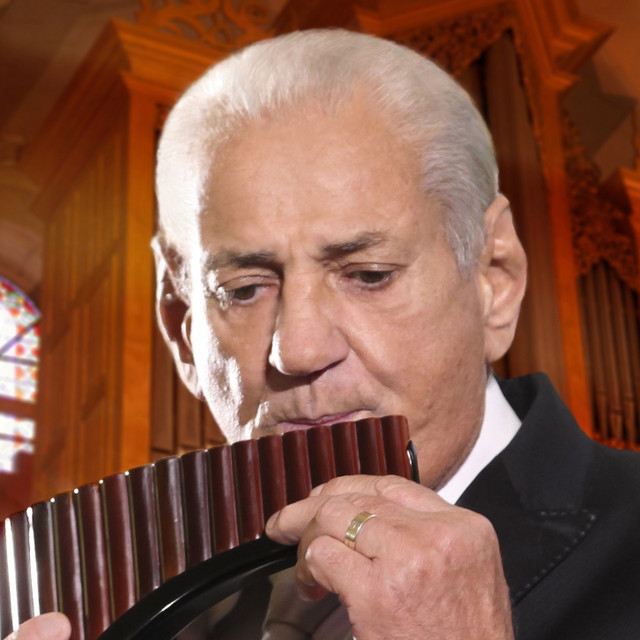
Key ambassadors and popularizers have helped define panpipe music for modern listeners. Gheorghe Zamfir, the Romanian panflute virtuoso, is arguably the most famous global ambassador. His recordings and performances in the 1960s–1980s brought the instrument into European concert halls and international television, tying the panpipe to a wide spectrum of classical, pop, and cinematic music. In the Andean belt, groups such as Los Kjarkas (Bolivia) and Inti-Illimani (Chile) broadened the genre’s reach with contemporary arrangements that fused traditional motifs with modern folk rock and world-music sensibilities. These artists—plus countless regional ensembles across Peru, Bolivia, Ecuador, Colombia, and northern Chile—helped establish panpipe music as a living tradition rather than a museum piece.
Geographically, panpipe music enjoys strong, enduring popularity in the Andean countries—Peru, Bolivia, Ecuador, northern Chile, and parts of Colombia—where the instrument remains central to festive, ceremonial, and everyday musical life. In Europe and North America, the panpipe’s appeal grew within world music, film scores, and wellness-oriented new-age scenes, often as a symbol of ethereal, pastoral soundscapes. Its presence in contemporary soundtracks and ambient releases keeps the instrument accessible to new audiences without diluting its traditional roots.
For enthusiasts, panpipe music offers a vivid sonic gateway into Andean culture and beyond. It provides a window into how a single family of wind instruments can spawn regional variants, cross-cultural collaborations, and a timeless sense of communal listening. Whether heard in a hillside village, a concert hall, or a world-music festival stage, panpipe music remains a beacon of breath, melody, and the enduring power of sound to connect people across landscapes.
In the Andes, panpipe music typically features sets of tubes bound together, often in two staggered rows, with each tube sized to produce a specific pitch. Players must coordinate breath, embouchure, and, in ensembles, timing to achieve synchronous, polyphonic melodies. The diatonic character of many traditional zampoñas gives Andean panpipe music its instantly recognizable folk flavor—airy, piercing, and capable of singing across valleys and plains. Beyond the Andes, the panpipe as an instrument traveled the world, becoming a touchstone of “panpipe music” as a genre of its own within world music and new-age circles. The instrument’s timbre has proven especially adaptable to both intimate solo performances and lush, multi-instrument arrangements.
Key ambassadors and popularizers have helped define panpipe music for modern listeners. Gheorghe Zamfir, the Romanian panflute virtuoso, is arguably the most famous global ambassador. His recordings and performances in the 1960s–1980s brought the instrument into European concert halls and international television, tying the panpipe to a wide spectrum of classical, pop, and cinematic music. In the Andean belt, groups such as Los Kjarkas (Bolivia) and Inti-Illimani (Chile) broadened the genre’s reach with contemporary arrangements that fused traditional motifs with modern folk rock and world-music sensibilities. These artists—plus countless regional ensembles across Peru, Bolivia, Ecuador, Colombia, and northern Chile—helped establish panpipe music as a living tradition rather than a museum piece.
Geographically, panpipe music enjoys strong, enduring popularity in the Andean countries—Peru, Bolivia, Ecuador, northern Chile, and parts of Colombia—where the instrument remains central to festive, ceremonial, and everyday musical life. In Europe and North America, the panpipe’s appeal grew within world music, film scores, and wellness-oriented new-age scenes, often as a symbol of ethereal, pastoral soundscapes. Its presence in contemporary soundtracks and ambient releases keeps the instrument accessible to new audiences without diluting its traditional roots.
For enthusiasts, panpipe music offers a vivid sonic gateway into Andean culture and beyond. It provides a window into how a single family of wind instruments can spawn regional variants, cross-cultural collaborations, and a timeless sense of communal listening. Whether heard in a hillside village, a concert hall, or a world-music festival stage, panpipe music remains a beacon of breath, melody, and the enduring power of sound to connect people across landscapes.