Genre
pashto pop
Top Pashto pop Artists
Showing 25 of 55 artists













About Pashto pop
Pashto pop is the vibrant fusion of Pashto language melodies with the energy and aesthetics of contemporary pop music. It sits at the crossroads of tradition and modernity, drawing on a deep stock of folk modes, regional instruments, and storytelling, then reimagining them with electronic textures, punchy grooves, and polished studio production. The result is a sound that feels both intimate and global—rooted in the heartlands of the Pashtun belt yet accessible to listeners across borders and languages.
The genre grew out of Pashto folk music, which has long celebrated vocal ornamentation, call-and-response phrasing, and regional instruments like the rubab and the dutar. With the cassette culture of the late 20th century and the rise of satellite TV and later digital streaming, a younger generation of singers and bands began pairing these ancestral echoes with pop hooks, Western-influenced rhythms, and radio-friendly arrangements. By the 2000s and 2010s, Pashto pop had established a recognizable identity: melodic storytelling in Pashto, sometimes intimate and romantic, other times socially aware, delivered with contemporary production that invites both local and international audiences to listen.
In practice, Pashto pop often features a blend of traditional pentatonic scales and a modern drum kit, bright guitar motifs, and a production sheen that favors clear vocal lines. It can be tender and nocturnal on a ballad, or buoyant and anthemic on an upbeat track meant for radio and stage. The genre thrives on crossovers—collaborations with Urdu and Punjabi pop artists, or English-language influences—helping Pashto pop reach listeners beyond Pashtun-speaking communities while preserving its linguistic identity. The music frequently speaks to urban youth, diaspora experiences, love and longing, and questions of belonging in a world where borders feel porous and audiences increasingly expect genre-fluidity.
Key artists and ambassadors have helped bring Pashto pop from regional radio to global playlists. Notable names include:
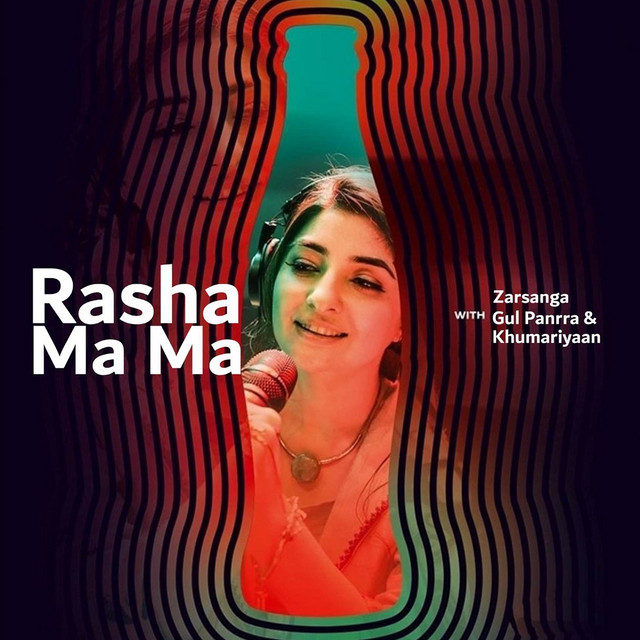
- Gul Panra, a leading voice from Peshawar who has popularized modern Pashto songs and helped bring the sound to wider audiences through high-profile collaborations.
- Rahim Shah, one of Pashto pop’s early mainstream voices, who bridged folk-inflected Pashto singing with contemporary pop sensibilities.
- Zeb Bangash (and the duo Zeb & Haniya) who have explored Pashto-inflected material alongside projects in Urdu and international folk-singer spaces, expanding the emotional and sonic range of the genre.
- Khumariyaan, a guitar-driven Pashto band from Peshawar that blends rock-inflected grooves with traditional melodies, and has toured internationally, showcasing a robust live-facing strand of Pashto pop.
Pashto pop is particularly popular in Pakistan’s Khyber Pakhtunkhwa and Balochistan, in Afghanistan, and among Pashto-speaking communities across the Gulf and in the West. Its audience includes the urban middle class, students, and the diaspora seeking music in their mother tongue that also speaks the language of modern pop. With streaming platforms lowering barriers to global discovery, new voices—from established folk-influenced veterans to vibrant, young producers—are continuing to push the genre’s boundaries, ensuring that Pashto pop remains a living, evolving chapter in South Asia’s rich musical tapestry.
The genre grew out of Pashto folk music, which has long celebrated vocal ornamentation, call-and-response phrasing, and regional instruments like the rubab and the dutar. With the cassette culture of the late 20th century and the rise of satellite TV and later digital streaming, a younger generation of singers and bands began pairing these ancestral echoes with pop hooks, Western-influenced rhythms, and radio-friendly arrangements. By the 2000s and 2010s, Pashto pop had established a recognizable identity: melodic storytelling in Pashto, sometimes intimate and romantic, other times socially aware, delivered with contemporary production that invites both local and international audiences to listen.
In practice, Pashto pop often features a blend of traditional pentatonic scales and a modern drum kit, bright guitar motifs, and a production sheen that favors clear vocal lines. It can be tender and nocturnal on a ballad, or buoyant and anthemic on an upbeat track meant for radio and stage. The genre thrives on crossovers—collaborations with Urdu and Punjabi pop artists, or English-language influences—helping Pashto pop reach listeners beyond Pashtun-speaking communities while preserving its linguistic identity. The music frequently speaks to urban youth, diaspora experiences, love and longing, and questions of belonging in a world where borders feel porous and audiences increasingly expect genre-fluidity.
Key artists and ambassadors have helped bring Pashto pop from regional radio to global playlists. Notable names include:
- Gul Panra, a leading voice from Peshawar who has popularized modern Pashto songs and helped bring the sound to wider audiences through high-profile collaborations.
- Rahim Shah, one of Pashto pop’s early mainstream voices, who bridged folk-inflected Pashto singing with contemporary pop sensibilities.
- Zeb Bangash (and the duo Zeb & Haniya) who have explored Pashto-inflected material alongside projects in Urdu and international folk-singer spaces, expanding the emotional and sonic range of the genre.
- Khumariyaan, a guitar-driven Pashto band from Peshawar that blends rock-inflected grooves with traditional melodies, and has toured internationally, showcasing a robust live-facing strand of Pashto pop.
Pashto pop is particularly popular in Pakistan’s Khyber Pakhtunkhwa and Balochistan, in Afghanistan, and among Pashto-speaking communities across the Gulf and in the West. Its audience includes the urban middle class, students, and the diaspora seeking music in their mother tongue that also speaks the language of modern pop. With streaming platforms lowering barriers to global discovery, new voices—from established folk-influenced veterans to vibrant, young producers—are continuing to push the genre’s boundaries, ensuring that Pashto pop remains a living, evolving chapter in South Asia’s rich musical tapestry.