Genre
persian melodic rap
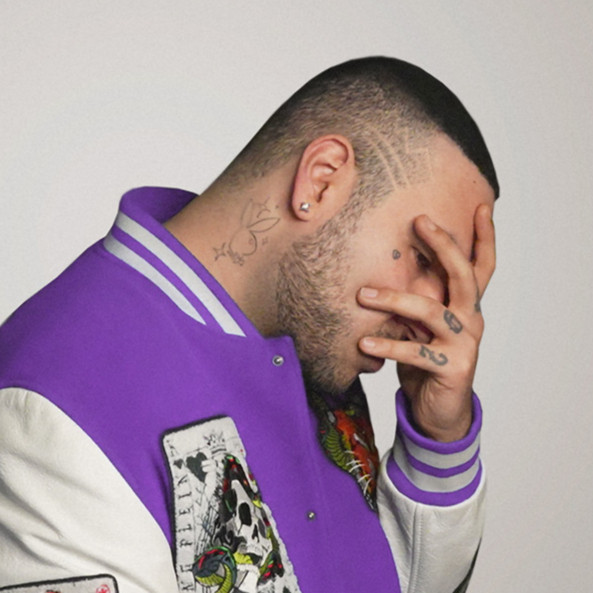
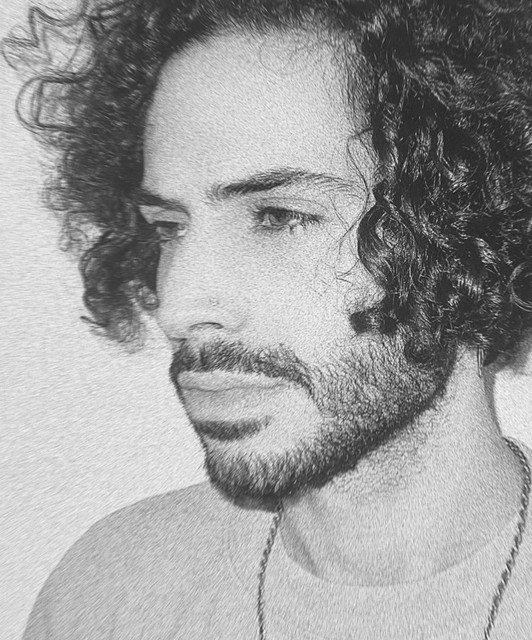
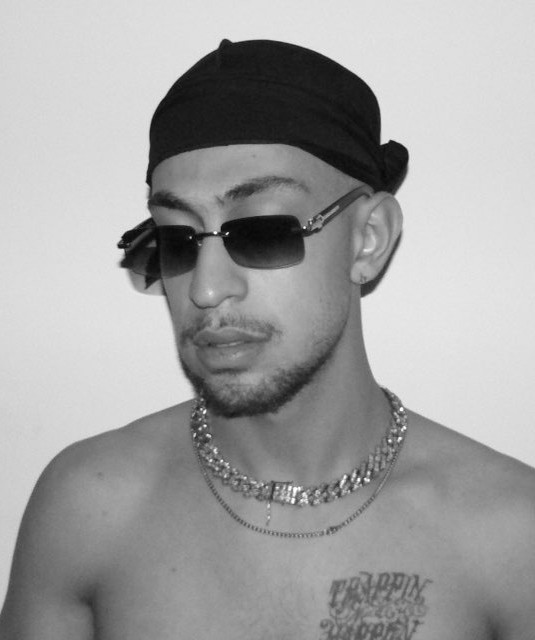
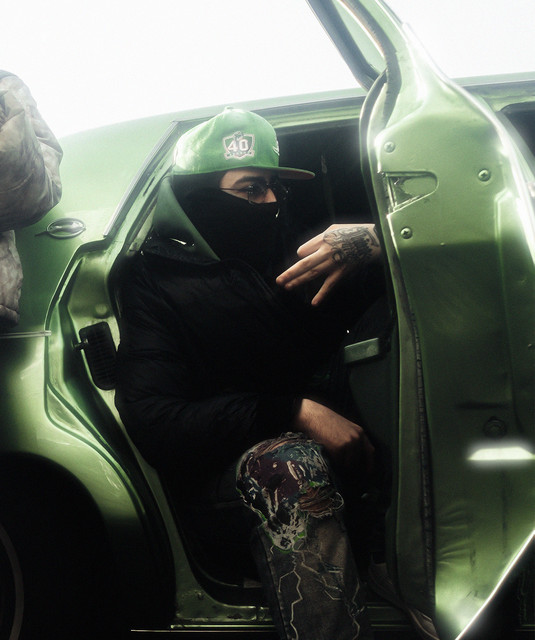
Top Persian melodic rap Artists
Showing 19 of 19 artists






About Persian melodic rap
Persian melodic rap is a branch of hip hop that fuses the cadence and grit of rap with adaptable, often sung, melodic phrases in Persian (Farsi). It emphasizes atmosphere and mood as much as rhyme schemes, weaving sentimental hooks, airy cadences, and sometimes traditional-sounding instrumental textures into contemporary trap and R&B-influenced beats. The result is music that can feel introspective and cinematic, buoyed by lyrical storytelling that reconciles urban experience with poems and proverbs drawn from Persia’s long literary tradition.
Origins and evolution
The scene began taking shape in Iran during the early to mid-2000s, in a context where censorship pushed artists to innovate within limited channels. Its true birth is often dated to the rise of Persian-language rappers who experimented with singing-like cadences and melodic refrains, expanding the expressive toolkit of Iranian hip hop. Hichkas, widely regarded as the father of Persian rap, helped establish a vocal identity and a platform for a new generation by mixing social commentary with street-level storytelling. Over the following decade, the form matured as producers and vocalists blended Western hip hop influences with Iranian musical sensibilities, creating a sound that could ride both hard-hitting bass and more delicate, melodic lines.
Key artists and ambassadors
- Hichkas: A foundational voice whose early work proved that Persian-language rap could carry complex emotion and social critique without sacrificing musicality.
- Sohrab MJ: A newer wave figure who has helped popularize melodic approaches within Persian rap, blending sung phrasing with rapped verses and a cinematic sense of arrangement.
- Pishro: A prolific figure in the Iranian rap scene who has contributed to bridging underground and more mainstream audiences, often incorporating melodic hooks into hard-hitting verses.
Other artists across Iran and in the diaspora continue to push the sound forward, experimenting with vocal textures, vocal layering, and cross-cultural collaborations. The result is a genre that remains deeply rooted in Persian poetic tradition while embracing the sonic possibilities of contemporary global hip hop.
Musical characteristics
- Vocals: A shift toward melody, with choruses or bridge sections that feel almost sung, layered over rhymed verses.
- Production: Beats that blend trap rhythms, smoother R&B grooves, and touches of traditional Persian sonorities—such as modal melodies or instrumental colors—creating a hybrid mood.
- Lyrics: Personal reflection, diasporic identity, love, urban life, and social commentary. Poetic phrasing and imagery—common in Persian literature—often surface in the writing, giving the genre a lyrical depth that resonates with poetry enthusiasts as well as hip hop fans.
Geography and audience
Persian melodic rap has its strongest nodes in Iran and among Persian-speaking communities in the Iranian diaspora, including the United States, Canada, the United Kingdom, and parts of Scandinavia and the Gulf. Online platforms, streaming services, and social media have helped these artists reach a global audience, while live scenes in major cities around the world host Iranian and Persian-speaking artists who perform both as a bridge to younger listeners and as a celebration of a shared cultural lexicon.
Why it matters to enthusiasts
For listeners who crave lyricism and mood in equal measure, Persian melodic rap offers a compelling synthesis: it preserves the rhythm and grit of hip hop while opening a doorway to the Persian sonic and poetic heritage. It’s a living genre—evolving with each new producer, crooner, and rapper who adds a personal melody to the city-beat narrative.
Origins and evolution
The scene began taking shape in Iran during the early to mid-2000s, in a context where censorship pushed artists to innovate within limited channels. Its true birth is often dated to the rise of Persian-language rappers who experimented with singing-like cadences and melodic refrains, expanding the expressive toolkit of Iranian hip hop. Hichkas, widely regarded as the father of Persian rap, helped establish a vocal identity and a platform for a new generation by mixing social commentary with street-level storytelling. Over the following decade, the form matured as producers and vocalists blended Western hip hop influences with Iranian musical sensibilities, creating a sound that could ride both hard-hitting bass and more delicate, melodic lines.
Key artists and ambassadors
- Hichkas: A foundational voice whose early work proved that Persian-language rap could carry complex emotion and social critique without sacrificing musicality.
- Sohrab MJ: A newer wave figure who has helped popularize melodic approaches within Persian rap, blending sung phrasing with rapped verses and a cinematic sense of arrangement.
- Pishro: A prolific figure in the Iranian rap scene who has contributed to bridging underground and more mainstream audiences, often incorporating melodic hooks into hard-hitting verses.
Other artists across Iran and in the diaspora continue to push the sound forward, experimenting with vocal textures, vocal layering, and cross-cultural collaborations. The result is a genre that remains deeply rooted in Persian poetic tradition while embracing the sonic possibilities of contemporary global hip hop.
Musical characteristics
- Vocals: A shift toward melody, with choruses or bridge sections that feel almost sung, layered over rhymed verses.
- Production: Beats that blend trap rhythms, smoother R&B grooves, and touches of traditional Persian sonorities—such as modal melodies or instrumental colors—creating a hybrid mood.
- Lyrics: Personal reflection, diasporic identity, love, urban life, and social commentary. Poetic phrasing and imagery—common in Persian literature—often surface in the writing, giving the genre a lyrical depth that resonates with poetry enthusiasts as well as hip hop fans.
Geography and audience
Persian melodic rap has its strongest nodes in Iran and among Persian-speaking communities in the Iranian diaspora, including the United States, Canada, the United Kingdom, and parts of Scandinavia and the Gulf. Online platforms, streaming services, and social media have helped these artists reach a global audience, while live scenes in major cities around the world host Iranian and Persian-speaking artists who perform both as a bridge to younger listeners and as a celebration of a shared cultural lexicon.
Why it matters to enthusiasts
For listeners who crave lyricism and mood in equal measure, Persian melodic rap offers a compelling synthesis: it preserves the rhythm and grit of hip hop while opening a doorway to the Persian sonic and poetic heritage. It’s a living genre—evolving with each new producer, crooner, and rapper who adds a personal melody to the city-beat narrative.