Genre
phleng phuea chiwit
Top Phleng phuea chiwit Artists
Showing 25 of 717 artists
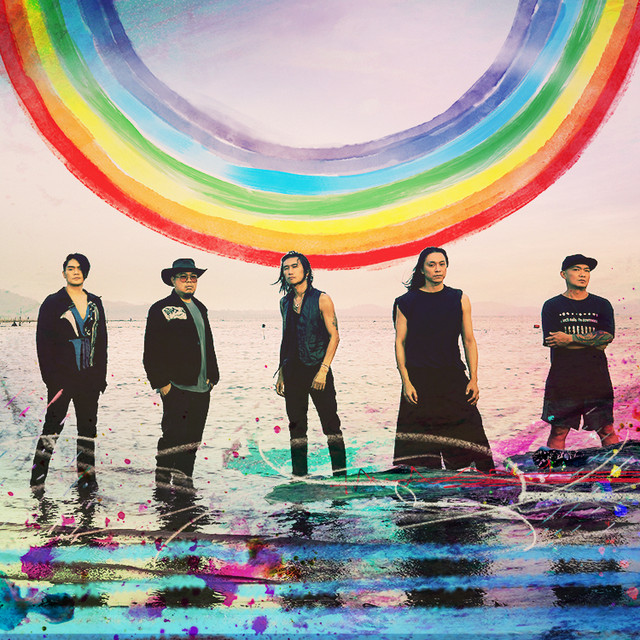
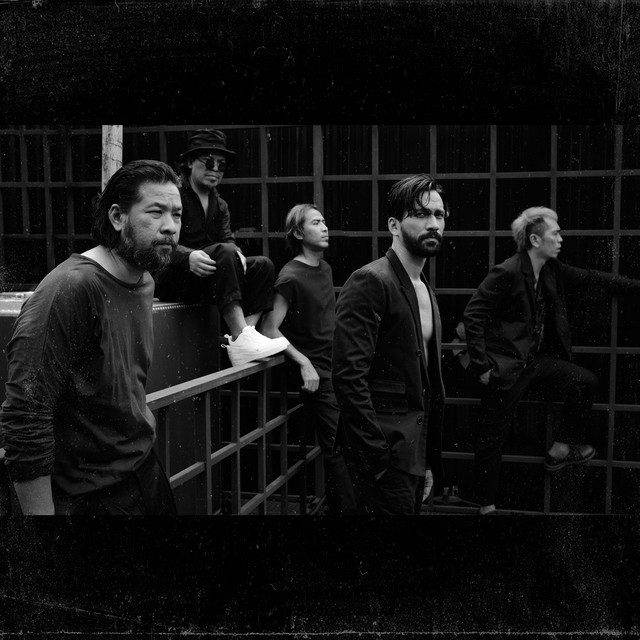
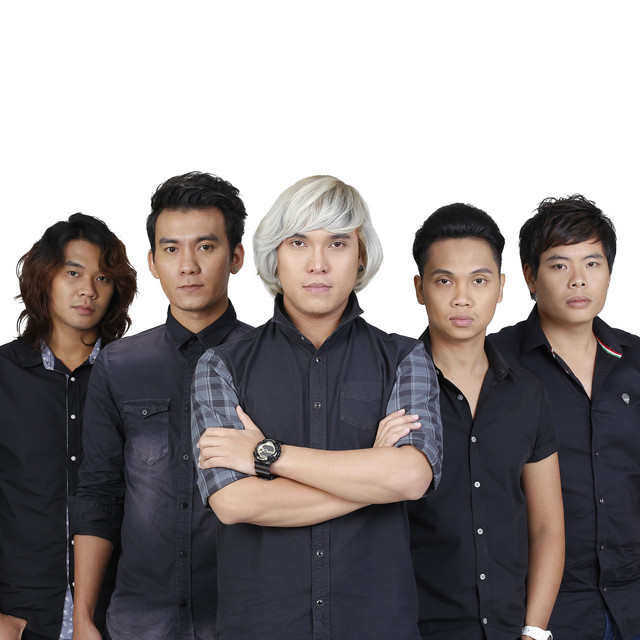
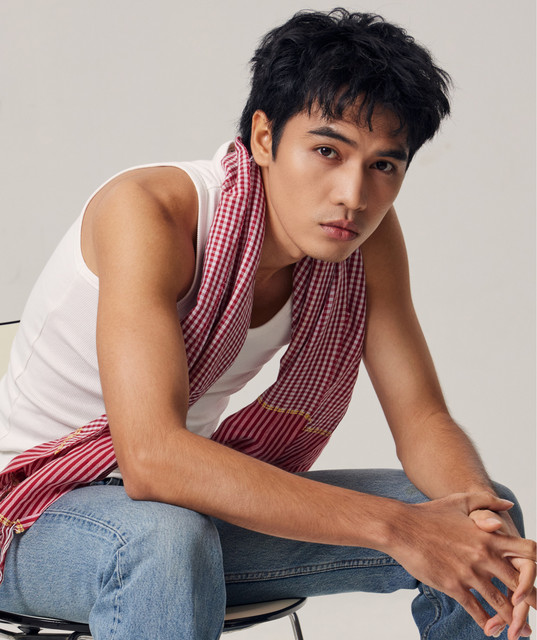
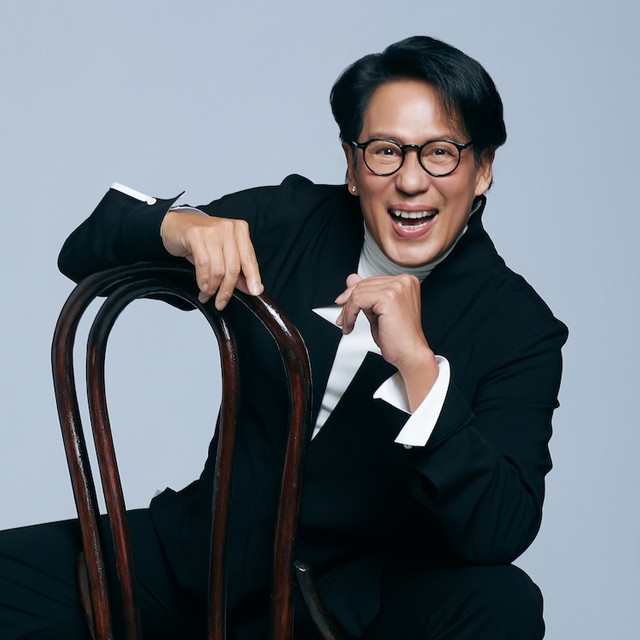
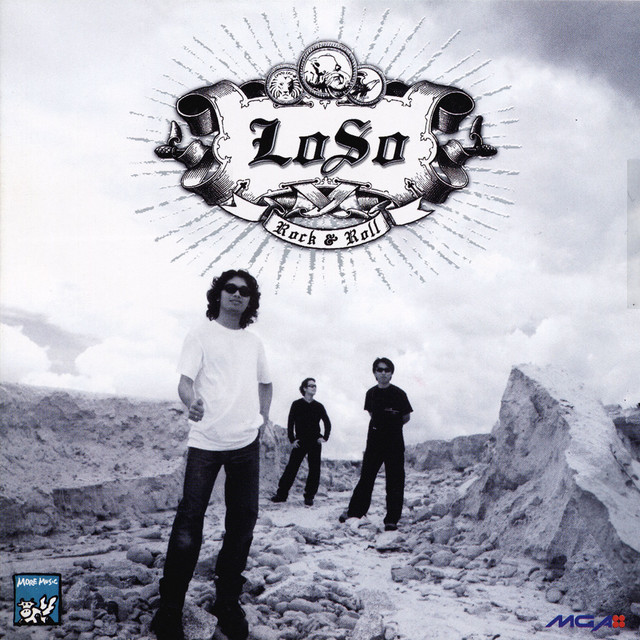

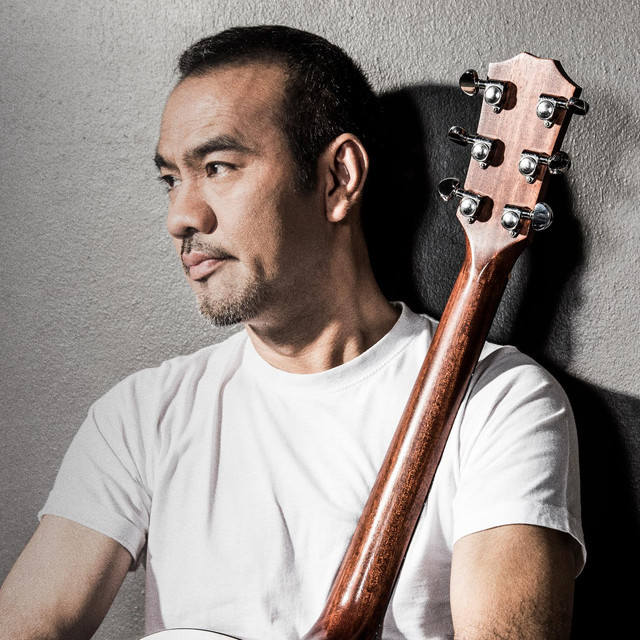
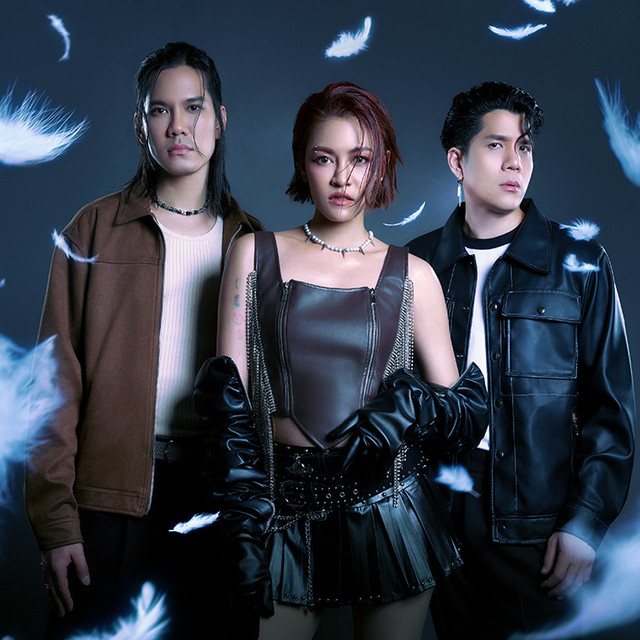
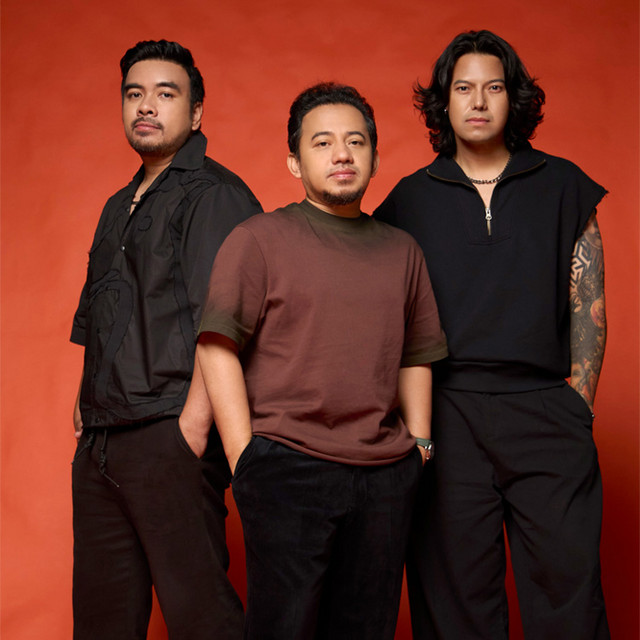
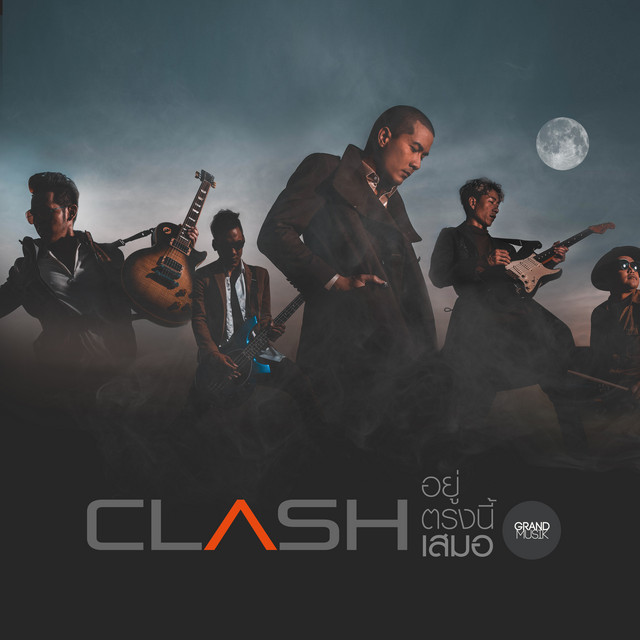
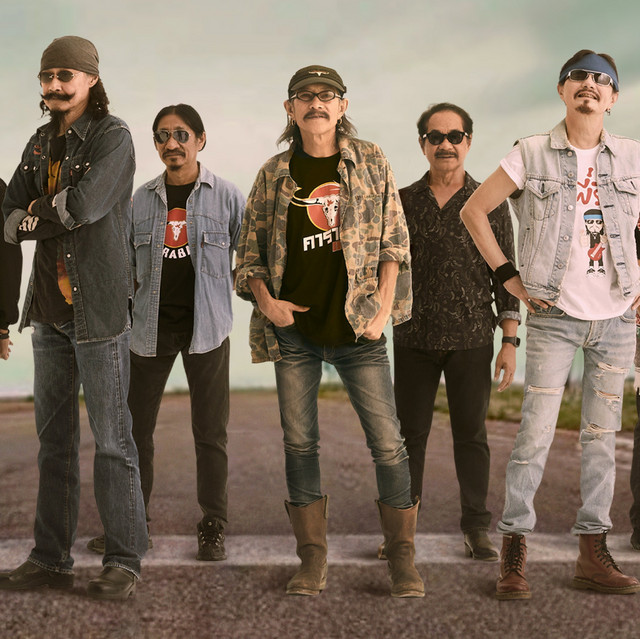


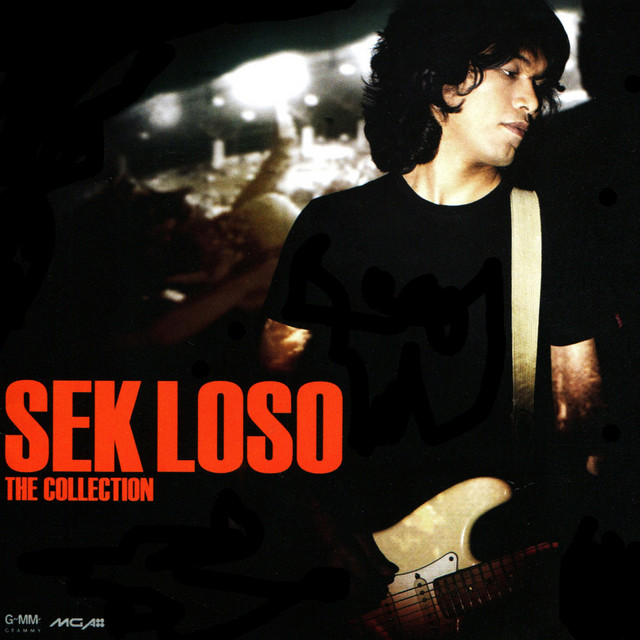
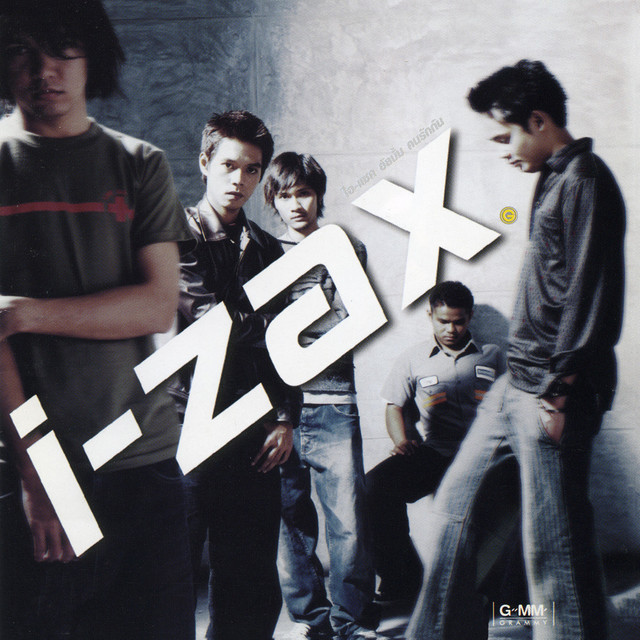
22

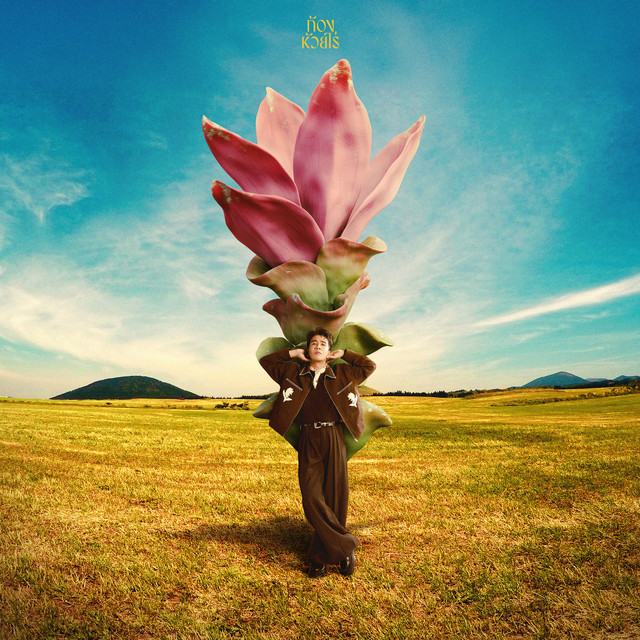
ดิด คิตตี้
136,049
721,372 listeners
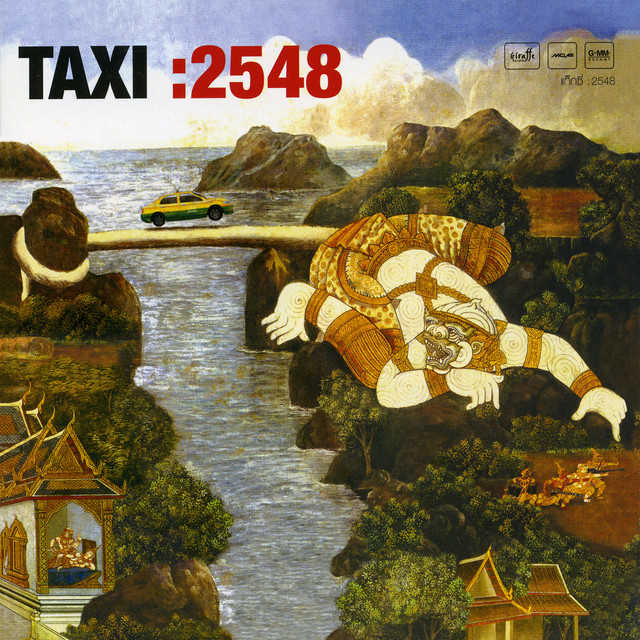
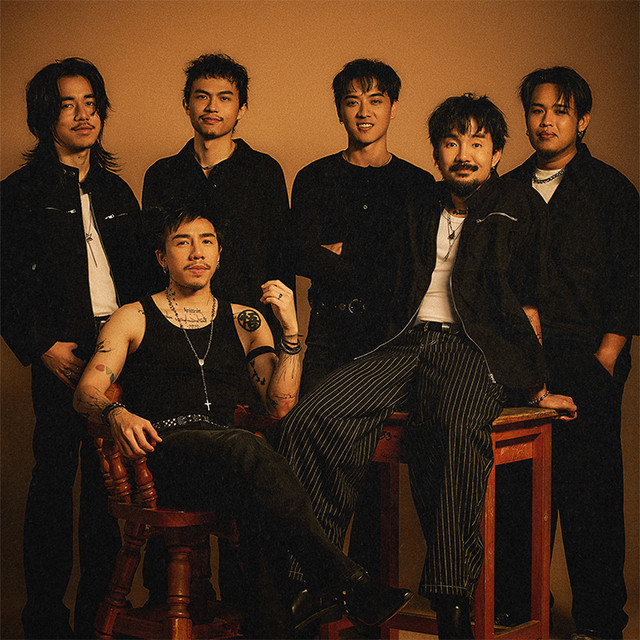
25

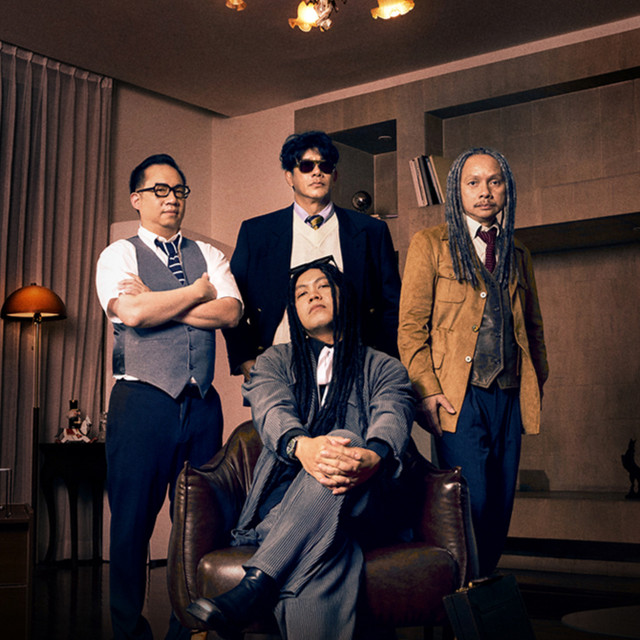
คณะขวัญใจ
676,434
669,843 listeners
About Phleng phuea chiwit
Phleng phuea chiwit, often translated as "songs for life," is a distinctly Thai genre that blends folk, rock, and traditional melodies with social commentary. Its name literally means songs for life, signaling a purpose beyond entertainment: a soundtrack for protest, solidarity, and the everyday struggles of ordinary people. The genre is deeply entwined with Thailand’s political and social history, and it has served as a voice for students, workers, peasants, and activists who demanded democratic rights, social justice, and a fairer society.
Origins and birth
Phleng phuea chiwit began taking shape in the late 1960s and early 1970s, a period of global upheaval and student movements. In Thailand, cafes, universities, and workers’ clubs became hubs where musicians wrote lyrics about dictatorship, censorship, economic inequality, and resistance to militarized rule. The music drew on Thailand’s folk traditions and local musical sensibilities, but it also absorbed Western folk-rock influences and the unvarnished storytelling approach of protest songs from around the world. The overarching ethos was clear: music could illuminate truth, mobilize minds, and foster a sense of communal resilience in the face of oppression.
Musical language and themes
Phleng phuea chiwit favors simple, direct melodies and accessible arrangements—often featuring acoustic guitars, harmonica, drums, and occasionally Thai folk instruments. The emphasis is on lyricism and narrative; songs tell the stories of workers, farmers, students, and marginalized communities, naming social inequities, political hypocrisy, and calls for reform. The genre thrives on sincerity and emotional immediacy rather than polished pop gloss, making its messages feel personal and urgent. While the content is often political, the musical texture remains rooted in Thai musical aesthetics, with lyrical wit, social critique, and a strong sense of place—rural scenes, city streets, and the rhythms of everyday life.
Ambassadors and key acts
Among the many artists who propelled phleng phuea chiwit into public consciousness, Carabao stands out as the genre’s best-known modern ambassador. Since the 1980s, Carabao’s fusion of rock energy with Thai lyricism and social critique helped the sound reach stadiums and international stages, turning countrywide awareness into a lasting cultural phenomenon. Their songs embody the for-life spirit: defiant, empathetic, and rooted in the lived experiences of ordinary Thais. While Carabao is the most recognizable face of the movement today, the genre’s earlier and parallel currents were driven by a generation of singer-songwriters and bands who performed in campus circuits, labor unions, and folk venues. These artists laid the groundwork for a distinctly Thai protest music tradition, though many of them operated beyond mainstream fame, influencing later waves and inspiring new generations of musicians who continued to write about life, dignity, and democracy.
Global footprint
Phleng phuea chiwit remains most popular in Thailand, where its messages resonate with cultural memory, labor history, and youth political culture. It also has niche followings among Thai expatriate communities and world-music enthusiasts abroad who seek music with explicit social purpose. Since the sound is sung in Thai and deeply embedded in Thai social realities, it travels most readily within Thai-speaking communities, with occasional crossover into regional Southeast Asian audiences and global protest-song curiosities.
If you’d like, I can add more precise artist names beyond Carabao, or tailor the piece to highlight different eras within the phleng phuea chiwit timeline.
Origins and birth
Phleng phuea chiwit began taking shape in the late 1960s and early 1970s, a period of global upheaval and student movements. In Thailand, cafes, universities, and workers’ clubs became hubs where musicians wrote lyrics about dictatorship, censorship, economic inequality, and resistance to militarized rule. The music drew on Thailand’s folk traditions and local musical sensibilities, but it also absorbed Western folk-rock influences and the unvarnished storytelling approach of protest songs from around the world. The overarching ethos was clear: music could illuminate truth, mobilize minds, and foster a sense of communal resilience in the face of oppression.
Musical language and themes
Phleng phuea chiwit favors simple, direct melodies and accessible arrangements—often featuring acoustic guitars, harmonica, drums, and occasionally Thai folk instruments. The emphasis is on lyricism and narrative; songs tell the stories of workers, farmers, students, and marginalized communities, naming social inequities, political hypocrisy, and calls for reform. The genre thrives on sincerity and emotional immediacy rather than polished pop gloss, making its messages feel personal and urgent. While the content is often political, the musical texture remains rooted in Thai musical aesthetics, with lyrical wit, social critique, and a strong sense of place—rural scenes, city streets, and the rhythms of everyday life.
Ambassadors and key acts
Among the many artists who propelled phleng phuea chiwit into public consciousness, Carabao stands out as the genre’s best-known modern ambassador. Since the 1980s, Carabao’s fusion of rock energy with Thai lyricism and social critique helped the sound reach stadiums and international stages, turning countrywide awareness into a lasting cultural phenomenon. Their songs embody the for-life spirit: defiant, empathetic, and rooted in the lived experiences of ordinary Thais. While Carabao is the most recognizable face of the movement today, the genre’s earlier and parallel currents were driven by a generation of singer-songwriters and bands who performed in campus circuits, labor unions, and folk venues. These artists laid the groundwork for a distinctly Thai protest music tradition, though many of them operated beyond mainstream fame, influencing later waves and inspiring new generations of musicians who continued to write about life, dignity, and democracy.
Global footprint
Phleng phuea chiwit remains most popular in Thailand, where its messages resonate with cultural memory, labor history, and youth political culture. It also has niche followings among Thai expatriate communities and world-music enthusiasts abroad who seek music with explicit social purpose. Since the sound is sung in Thai and deeply embedded in Thai social realities, it travels most readily within Thai-speaking communities, with occasional crossover into regional Southeast Asian audiences and global protest-song curiosities.
If you’d like, I can add more precise artist names beyond Carabao, or tailor the piece to highlight different eras within the phleng phuea chiwit timeline.