Genre
pinoy drill
Top Pinoy drill Artists
Showing 14 of 14 artists


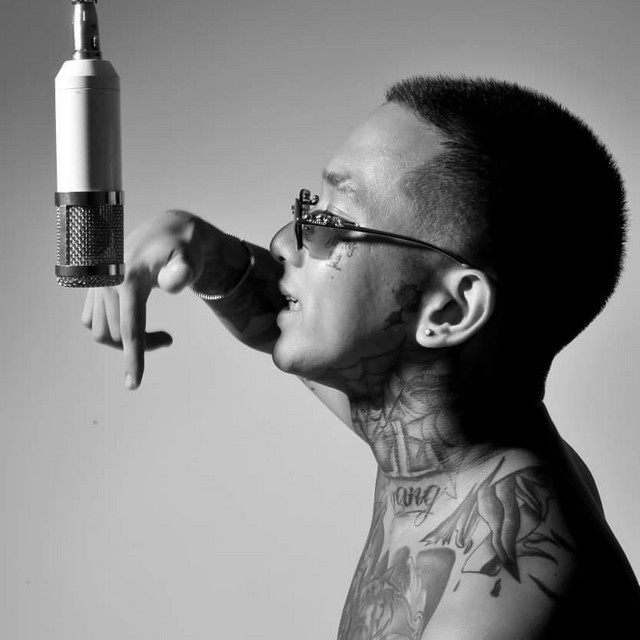


About Pinoy drill
Pinoy drill is the Philippine take on drill music, a hard-edged, street-centered sound that grew out of the wider drill family—originally born in Chicago in the early 2010s and then popularized through UK and global scenes. In the Philippines, the style began to take shape in the late 2010s as Filipino MCs and producers in Manila and across other cities started blending the template of Chicago drill with local languages, slang, and attitudes. The result was Pinoy drill: a lean, bass-forward, percussion-driven aesthetic that emphasizes cold, measured delivery, aggressive cadence, and a sense of cinematic menace.
Linguistically, Pinoy drill is often bilingual or code-switched, delivering bars in Tagalog (and sometimes Cebuano, Ilocano, or other Philippine languages) alongside English. This bilingual approach gives the genre a distinct texture: lines land with punchy syllables and cultural specificity—bar references to jeepneys, sari-sari stores, street corners, and barangay loyalties—while still feeling accessible to international listeners who are familiar with drill’s rhythmic skeleton. The production leans on 808-derived bass, tight kick drums, and crisp snares, with high-hat patterns that hinge on triplets and rapid micro-tills. Tempo sits in the drill zone, but producers often tailor it to a more conversational pace that suits Filipino flows, allowing a smoother, almost narrative delivery on occasion.
A Pinoy drill track typically channels tension and bravado, conjuring night-time urban landscapes and the streetwise mood of early Chicago and UK drill—but with Philippine-specific references and emphases. The sonic palette is intentionally spare: a few loops, an ominous minor-key melody, and a bass line that feels large enough to rattle car speakers in Metro Manila traffic. The visual language that accompanies songs—low light, streetwear, motorbikes or cars, and rooftop or alleyway shoots—helps fuse the sound with a recognizable Filipino street-culture vibe.
Geographically, the movement’s epicenters have been Metro Manila and nearby urban corridors, with bursts of energy in Cebu, Davao, and other regional hubs where independent artists and collectives push the scene forward through online platforms, local shows, and collaborative tracks. Globally, Pinoy drill has found an audience among the Philippine diaspora: listeners in the United States, Canada, the Middle East, and parts of Europe that seek music rooted in Filipino experiences while also engaging with the broader drill conversation.
Ambassadors and early voices include established names who bridged Filipino rap with the drill discipline, as well as a growing generation of up-and-coming MCs and producers who publish through YouTube channels and streaming services. Flow G, among others connected to large Philippine rap crews, is often cited as part of the bridge between mainstream Filipino rap and the drill-inflected sound. But the scene remains fluid, with new artists continually injecting fresh life and regional flavors into the Pinoy drill taxonomy.
In short, Pinoy drill is a living, evolving scene—local in its references, global in its ambitions, and unmistakably Filipino in mood and cadence. If you’d like, I can insert specific artist names and track references based on the latest releases.
Linguistically, Pinoy drill is often bilingual or code-switched, delivering bars in Tagalog (and sometimes Cebuano, Ilocano, or other Philippine languages) alongside English. This bilingual approach gives the genre a distinct texture: lines land with punchy syllables and cultural specificity—bar references to jeepneys, sari-sari stores, street corners, and barangay loyalties—while still feeling accessible to international listeners who are familiar with drill’s rhythmic skeleton. The production leans on 808-derived bass, tight kick drums, and crisp snares, with high-hat patterns that hinge on triplets and rapid micro-tills. Tempo sits in the drill zone, but producers often tailor it to a more conversational pace that suits Filipino flows, allowing a smoother, almost narrative delivery on occasion.
A Pinoy drill track typically channels tension and bravado, conjuring night-time urban landscapes and the streetwise mood of early Chicago and UK drill—but with Philippine-specific references and emphases. The sonic palette is intentionally spare: a few loops, an ominous minor-key melody, and a bass line that feels large enough to rattle car speakers in Metro Manila traffic. The visual language that accompanies songs—low light, streetwear, motorbikes or cars, and rooftop or alleyway shoots—helps fuse the sound with a recognizable Filipino street-culture vibe.
Geographically, the movement’s epicenters have been Metro Manila and nearby urban corridors, with bursts of energy in Cebu, Davao, and other regional hubs where independent artists and collectives push the scene forward through online platforms, local shows, and collaborative tracks. Globally, Pinoy drill has found an audience among the Philippine diaspora: listeners in the United States, Canada, the Middle East, and parts of Europe that seek music rooted in Filipino experiences while also engaging with the broader drill conversation.
Ambassadors and early voices include established names who bridged Filipino rap with the drill discipline, as well as a growing generation of up-and-coming MCs and producers who publish through YouTube channels and streaming services. Flow G, among others connected to large Philippine rap crews, is often cited as part of the bridge between mainstream Filipino rap and the drill-inflected sound. But the scene remains fluid, with new artists continually injecting fresh life and regional flavors into the Pinoy drill taxonomy.
In short, Pinoy drill is a living, evolving scene—local in its references, global in its ambitions, and unmistakably Filipino in mood and cadence. If you’d like, I can insert specific artist names and track references based on the latest releases.