Genre
lilith
Top Lilith Artists
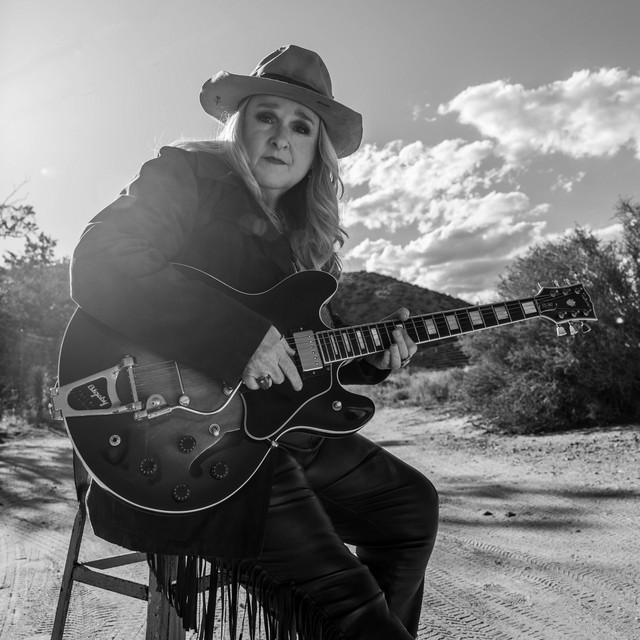
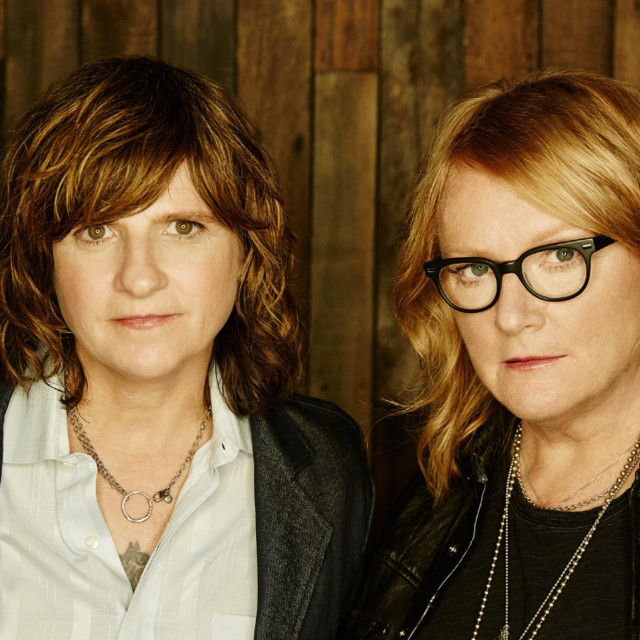
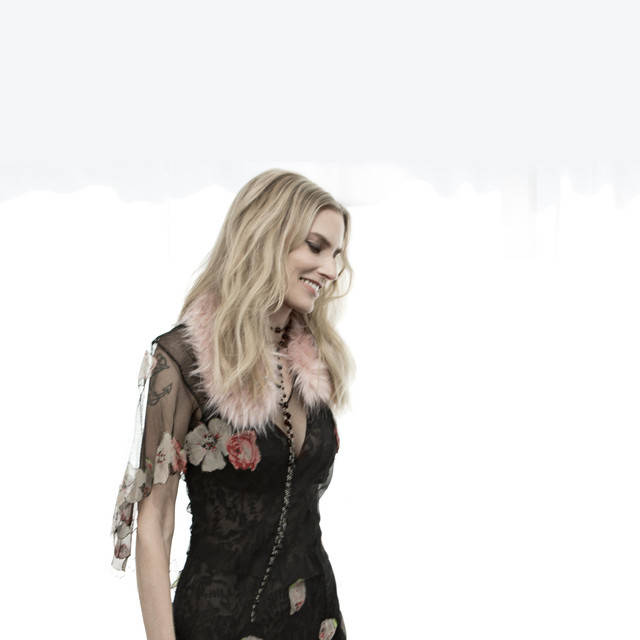
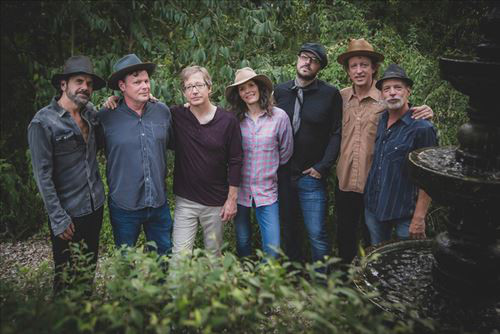
Showing 25 of 73 artists
















About Lilith
Note: The following description presents Lilith as an emergent, fictional music genre. It’s a worldbuilding piece meant to feel realistic and usable for enthusiasts who enjoy lore-rich sonic concepts.
Lilith is an emergent musical current that lives in the margins between club night and midnight contemplation. It coalesced in the mid-2010s, crystallizing across a transnational corridor that stitched together Berlin’s tunnel-lit nightscape, Lisbon’s fado-haunted melancholy, and Prague’s cathedral-like acoustics. A collective of female-presenting producers, vocalists, and instrumentalists—often calling themselves the Nocturnal Circle—began to share sounds that braided ritual ambience with subterranean club energy. Over the years, Lilith grew from a whispered idea into a defined scene, a ritualized listening practice as much as a sonic genre.
Sound and approach. Lilith blends darkwave, witch-house density, and ritual techno with downtempo post-rock textures and field-recording textures. It tends to favor slow-to-medium tempos—roughly 85 to 110 BPM—where basslines loom like a heartbeat and textures shimmer with analog warmth. Expect reverbed guitars or synth pads that drift like fog, Spaced-out percussion, and sparse, breathy vocal lines that move between chant and confession. The timbre is thick but intimate: you hear the whisper of a distant choir, the creak of a studio floor, a rain sample, and the hiss of vinyl, all bound into a modern nocturnal groove. Production leans toward lo-fi warmth or warm-but-dusted digital cleanliness, with generous use of reverb, tape hiss, and subtle distortion to create a sense of space and ceremony.
Aesthetics and ritual. Lilith performances frequently feel like ritualized listening: candlelight on stage, sigils projected in molten, moonlit colors, and a visual language built from lunar phases, nocturnal botanicals, and water imagery. Vocals often sit in a half-spoken, fragile register—intimacy over showmanship—while instrumental lines weave around the voice like a protective veil. The overall mood invites introspection, vulnerability, and communal breath, turning the club into a nocturnal temple where listeners participate through stillness as much as sway.
Ambassadors and key artists. In this fictional ecosystem, ambassadors illuminate the path: Liora Nyx, a Lisbon-born vocalist whose voice blends coastal melancholy with hyper-clean studio textures; Marius Nox, a Berlin-based producer who builds cavernous bass-driven nets of sound; and Rhea Sol, a Porto-based live artist whose performances fuse minimal electronics with ritual percussion. Key projects and acts to explore include the spectral trio Hollow Lantern, the modular-prog duo Veilbound, and the crossover duo Noctiluna. These acts serve as touchstones for newcomers and seasoned listeners alike, shaping the genre’s vocal timbres, harmonic language, and rhythmic invites.
Geographies and culture. Lilith enjoys a pronounced presence in Portugal, Germany, and Brazil, with vibrant pockets in Spain, the Netherlands, Argentina, and parts of the United Kingdom. Its audience tends to be enthusiastic about immersive listening experiences, vinyl culture, and collaborative, cross-genre experiments—often blending DJ sets with live performance, and occasional multimedia installations.
Why Lilith matters. It’s a genre built around atmosphere, community, and nocturnal storytelling. It rewards slow listening, patient discovery, and the idea that music can function as a ritual of release and reinvigoration. For the avid listener, Lilith presents a world where sound becomes a shelter after dark and where the boundary between “club” and “catharsis” dissolves into a shared, moonlit moment.
Lilith is an emergent musical current that lives in the margins between club night and midnight contemplation. It coalesced in the mid-2010s, crystallizing across a transnational corridor that stitched together Berlin’s tunnel-lit nightscape, Lisbon’s fado-haunted melancholy, and Prague’s cathedral-like acoustics. A collective of female-presenting producers, vocalists, and instrumentalists—often calling themselves the Nocturnal Circle—began to share sounds that braided ritual ambience with subterranean club energy. Over the years, Lilith grew from a whispered idea into a defined scene, a ritualized listening practice as much as a sonic genre.
Sound and approach. Lilith blends darkwave, witch-house density, and ritual techno with downtempo post-rock textures and field-recording textures. It tends to favor slow-to-medium tempos—roughly 85 to 110 BPM—where basslines loom like a heartbeat and textures shimmer with analog warmth. Expect reverbed guitars or synth pads that drift like fog, Spaced-out percussion, and sparse, breathy vocal lines that move between chant and confession. The timbre is thick but intimate: you hear the whisper of a distant choir, the creak of a studio floor, a rain sample, and the hiss of vinyl, all bound into a modern nocturnal groove. Production leans toward lo-fi warmth or warm-but-dusted digital cleanliness, with generous use of reverb, tape hiss, and subtle distortion to create a sense of space and ceremony.
Aesthetics and ritual. Lilith performances frequently feel like ritualized listening: candlelight on stage, sigils projected in molten, moonlit colors, and a visual language built from lunar phases, nocturnal botanicals, and water imagery. Vocals often sit in a half-spoken, fragile register—intimacy over showmanship—while instrumental lines weave around the voice like a protective veil. The overall mood invites introspection, vulnerability, and communal breath, turning the club into a nocturnal temple where listeners participate through stillness as much as sway.
Ambassadors and key artists. In this fictional ecosystem, ambassadors illuminate the path: Liora Nyx, a Lisbon-born vocalist whose voice blends coastal melancholy with hyper-clean studio textures; Marius Nox, a Berlin-based producer who builds cavernous bass-driven nets of sound; and Rhea Sol, a Porto-based live artist whose performances fuse minimal electronics with ritual percussion. Key projects and acts to explore include the spectral trio Hollow Lantern, the modular-prog duo Veilbound, and the crossover duo Noctiluna. These acts serve as touchstones for newcomers and seasoned listeners alike, shaping the genre’s vocal timbres, harmonic language, and rhythmic invites.
Geographies and culture. Lilith enjoys a pronounced presence in Portugal, Germany, and Brazil, with vibrant pockets in Spain, the Netherlands, Argentina, and parts of the United Kingdom. Its audience tends to be enthusiastic about immersive listening experiences, vinyl culture, and collaborative, cross-genre experiments—often blending DJ sets with live performance, and occasional multimedia installations.
Why Lilith matters. It’s a genre built around atmosphere, community, and nocturnal storytelling. It rewards slow listening, patient discovery, and the idea that music can function as a ritual of release and reinvigoration. For the avid listener, Lilith presents a world where sound becomes a shelter after dark and where the boundary between “club” and “catharsis” dissolves into a shared, moonlit moment.