Genre
pipa
Top Pipa Artists
Showing 17 of 17 artists
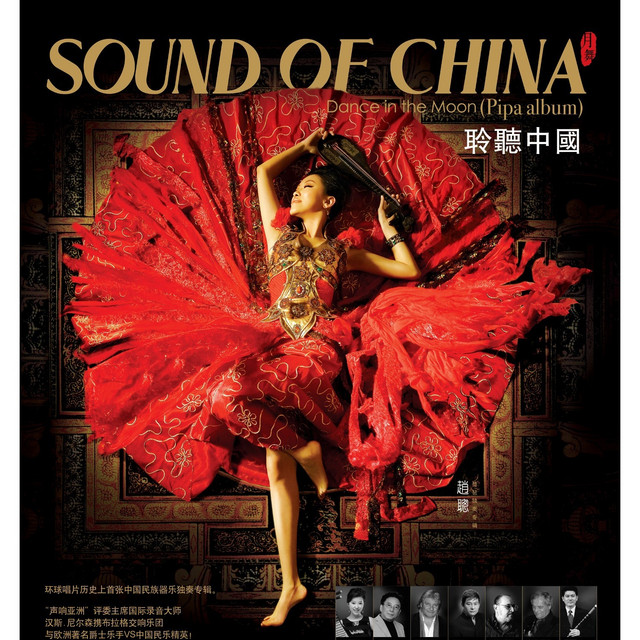
2

王暁東(中国琵琶)
217
644 listeners


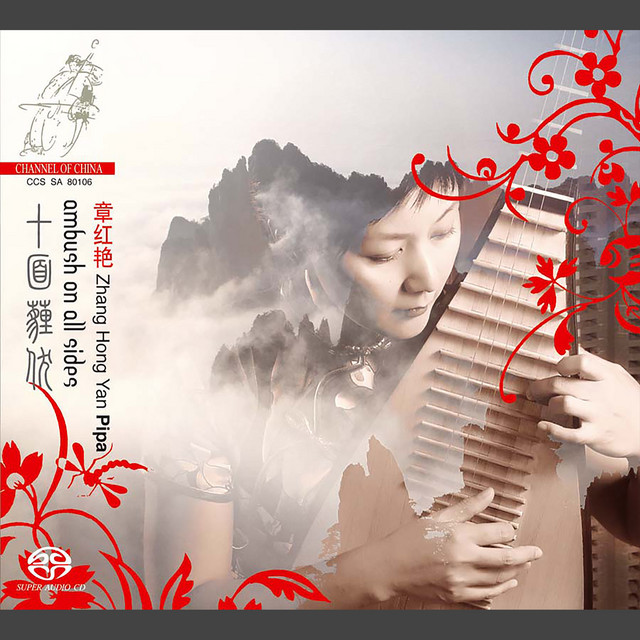

7
蘭維薇
8
2 listeners

12
吴赣伯
45
- listeners
14
顾思曼
65
- listeners
15
付丹
36
- listeners
16
劉石
-
- listeners
About Pipa
The pipa is one of China’s most expressive plucked instruments, with a pear-shaped wooden body and a long fretted neck. Its bright, incisive timbre can cut through a concert hall or melt into a hushed, intimate texture in a solo recital. The instrument is held almost upright on the performer’s lap, and it is plucked with right-hand fingertips and nails, sometimes with a small plectrum. The left hand presses frets to produce slides, tremolos, and glissandi, allowing a single phrase to shimmer from crystalline treble to velvety bass.
History threads through its strings. The pipa’s ancestors arrived in China along the Silk Road, probably from Central Asia, and by the Han dynasty (2nd century BCE to 2nd century CE) there were clear references to plucked lutes in Chinese texts. In the Tang dynasty (618–907 CE) the pipa became a staple of court music and urban entertainment, its technique deepened, and a rich solo repertoire began to emerge. Through later dynasties it absorbed regional flavors—north and south, courtly precision and folk spontaneity—before re-emerging in modern concert life as a flexible vehicle for tradition and innovation. In the 20th and 21st centuries the pipa traveled far beyond China’s borders, finding a home in world-music contexts, film scores, and contemporary classical ensembles.
Today, four strings carry the melodic line, supported by the instrument’s resonant body. Advanced players exploit rapid tremolo, glissando sweeps, harmonics, and left-hand flexing to craft bright, shimmering cascades or singing, almost vocal melodic lines. Pipa technique has blossomed to embrace experimental timbres in cross-cultural collaborations, while preserving traditional repertoire drawn from folk tunes, regional operas, and classic programmatic pieces.
Ambassadors: Among the most influential modern interpreters is Wu Man, who has helped bring the pipa to international concert halls and to audiences around the world through collaborations with Yo-Yo Ma’s Silk Road Ensemble and numerous orchestral and chamber projects. Another widely recognized virtuoso is Liu Fang, a global ambassador whose performances span Asia, Europe, and North America, blending traditional solo pieces with contemporary commissions. Together with composers who write specifically for the pipa—such as Tan Dun and Chen Yi—the instrument has found fresh voice in film music, contemporary art music, and cross-genre collaborations.
Geography: In China, Taiwan, Hong Kong, Singapore, and Malaysia the pipa remains deeply embedded in classical and folk repertoires. In recent decades it has also become beloved in Western concert halls and universities, across the United States, Europe, Australia, and beyond, thanks to cross-cultural ensembles, collaborations, and dedicated festivals and residencies. The instrument’s evocative sound—bright as a Chinese lantern and capable of meditative quiet or tremendous energy—continues to attract listeners who love nuanced timbre, expressive microtones, and historical resonance.
For enthusiasts, the pipa offers a gateway to centuries of Chinese aesthetic ideals—lyrical refinement, martial vigor, and poetic storytelling—captured in plucked string, percussive attack, and the virtuosic, ever-evolving language of its players. Its lineage is ancient, its present is global, and its future remains richly improvisatory and profoundly musical.
History threads through its strings. The pipa’s ancestors arrived in China along the Silk Road, probably from Central Asia, and by the Han dynasty (2nd century BCE to 2nd century CE) there were clear references to plucked lutes in Chinese texts. In the Tang dynasty (618–907 CE) the pipa became a staple of court music and urban entertainment, its technique deepened, and a rich solo repertoire began to emerge. Through later dynasties it absorbed regional flavors—north and south, courtly precision and folk spontaneity—before re-emerging in modern concert life as a flexible vehicle for tradition and innovation. In the 20th and 21st centuries the pipa traveled far beyond China’s borders, finding a home in world-music contexts, film scores, and contemporary classical ensembles.
Today, four strings carry the melodic line, supported by the instrument’s resonant body. Advanced players exploit rapid tremolo, glissando sweeps, harmonics, and left-hand flexing to craft bright, shimmering cascades or singing, almost vocal melodic lines. Pipa technique has blossomed to embrace experimental timbres in cross-cultural collaborations, while preserving traditional repertoire drawn from folk tunes, regional operas, and classic programmatic pieces.
Ambassadors: Among the most influential modern interpreters is Wu Man, who has helped bring the pipa to international concert halls and to audiences around the world through collaborations with Yo-Yo Ma’s Silk Road Ensemble and numerous orchestral and chamber projects. Another widely recognized virtuoso is Liu Fang, a global ambassador whose performances span Asia, Europe, and North America, blending traditional solo pieces with contemporary commissions. Together with composers who write specifically for the pipa—such as Tan Dun and Chen Yi—the instrument has found fresh voice in film music, contemporary art music, and cross-genre collaborations.
Geography: In China, Taiwan, Hong Kong, Singapore, and Malaysia the pipa remains deeply embedded in classical and folk repertoires. In recent decades it has also become beloved in Western concert halls and universities, across the United States, Europe, Australia, and beyond, thanks to cross-cultural ensembles, collaborations, and dedicated festivals and residencies. The instrument’s evocative sound—bright as a Chinese lantern and capable of meditative quiet or tremendous energy—continues to attract listeners who love nuanced timbre, expressive microtones, and historical resonance.
For enthusiasts, the pipa offers a gateway to centuries of Chinese aesthetic ideals—lyrical refinement, martial vigor, and poetic storytelling—captured in plucked string, percussive attack, and the virtuosic, ever-evolving language of its players. Its lineage is ancient, its present is global, and its future remains richly improvisatory and profoundly musical.