Genre
baroque pop
Top Baroque pop Artists
Showing 25 of 776 artists



About Baroque pop
Baroque pop is a glamorous fusion of pop songcraft with the ornate textures and clockwork precision of Baroque-era classical music. It grew out of the mid-to-late 1960s mood in which popular song, studio technique, and orchestral color collided to create music that felt cinematic, almost cathedral-like, yet still incredibly melodic and accessible. The hallmark is a lush, intricate arrangement: strings that weave through a chorus, harpsichord or piano peppering the harmony, woodwinds or brass lending warmth, and vocal lines that float in counterpoint or tight, almost chamber-choir harmonies. It is as much about mood and texture as about hook-laden hooks.
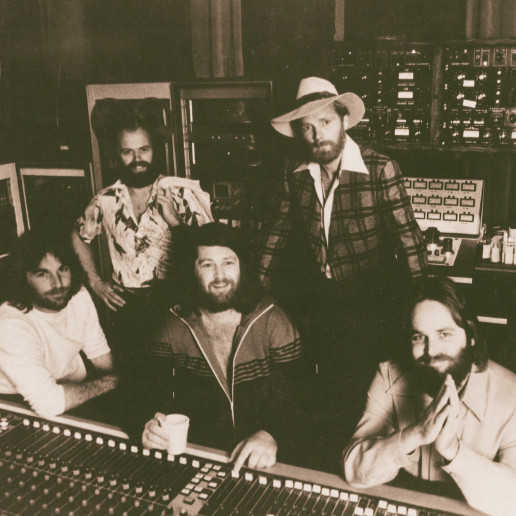
The birth of baroque pop is usually dated to the British-American fringe of the 1960s, when pop producers and arrangers began treating the studio as an orchestra pit. The Left Banke’s 1966 breakthrough Walk Away Renée is often cited as a proto-baroque pop touchstone, with its harpsichord lines, arcing strings, and barbed, romantic melodicism. The Beach Boys, led by Brian Wilson, pushed the form into a fuller, more democratic symphonic pop with Pet Sounds (1966), a record that redefined what a pop album could be in terms of arrangement, orchestration, and emotional reach. The Beatles, under George Martin, ramped the orchestral and arrangement game in the Pepper era, layering brass, strings, and intricate textures into songs that still feel irresistibly melodic. By the late 1960s, critics and listeners were coalescing around the term baroque pop, and labels formed around the idea of “orchestral pop” or “chamber pop” in dialogue with classical forms.
Key ambassadors of baroque pop include The Left Banke and The Zombies, whose early albums fused pop immediacy with string sections and operatic vocal nuance. The Beach Boys’ Pet Sounds is often cited as the blueprint for the genre’s emotional and technical ambitions; Scott Walker and, later, The Walker Brothers carried a darker, more theatrical torch into the late 60s. In the decades that followed, artists such as Belle and Sebastian, The Divine Comedy, and Sufjan Stevens helped sustain the lineage, while Joanna Newsom’s harp-and-voice mosaics and The Decemberists’ narrative, instrument-rich songs extended the spectrum well into the 21st century. These acts, among others, solidified baroque pop’s identity as a bridge between pop immediacy and classical grandiosity.
Geographically, baroque pop found its strongest roots in the United Kingdom and the United States, where studio culture and orchestral sensibilities could flourish side by side with rock and pop. It subsequently gained listeners in continental Europe, Canada, Australia, and beyond, especially among listeners who relish meticulous arrangements, cinematic textures, and songs that reward repeated listening. In contemporary discourse, baroque pop often overlaps with chamber pop and art pop, reinforcing the idea that clever arrangement can elevate a simple tune into something richly expressive.
For the curious listener, dive into the lush textures rather than just the name. Listen to Walk Away Renée for its archetype, Pet Sounds for its symphonic reach, Odessey and Oracle for its mystical color, and then contrast with Sufjan Stevens’ Illinois or Joanna Newsom’s Ys to hear how the language evolved while maintaining its baroque core. The genre invites you to hear music as a carefully crafted miniature drama—with strings, harpsichord, and ebbing harmonies guiding the emotional arc.
The birth of baroque pop is usually dated to the British-American fringe of the 1960s, when pop producers and arrangers began treating the studio as an orchestra pit. The Left Banke’s 1966 breakthrough Walk Away Renée is often cited as a proto-baroque pop touchstone, with its harpsichord lines, arcing strings, and barbed, romantic melodicism. The Beach Boys, led by Brian Wilson, pushed the form into a fuller, more democratic symphonic pop with Pet Sounds (1966), a record that redefined what a pop album could be in terms of arrangement, orchestration, and emotional reach. The Beatles, under George Martin, ramped the orchestral and arrangement game in the Pepper era, layering brass, strings, and intricate textures into songs that still feel irresistibly melodic. By the late 1960s, critics and listeners were coalescing around the term baroque pop, and labels formed around the idea of “orchestral pop” or “chamber pop” in dialogue with classical forms.
Key ambassadors of baroque pop include The Left Banke and The Zombies, whose early albums fused pop immediacy with string sections and operatic vocal nuance. The Beach Boys’ Pet Sounds is often cited as the blueprint for the genre’s emotional and technical ambitions; Scott Walker and, later, The Walker Brothers carried a darker, more theatrical torch into the late 60s. In the decades that followed, artists such as Belle and Sebastian, The Divine Comedy, and Sufjan Stevens helped sustain the lineage, while Joanna Newsom’s harp-and-voice mosaics and The Decemberists’ narrative, instrument-rich songs extended the spectrum well into the 21st century. These acts, among others, solidified baroque pop’s identity as a bridge between pop immediacy and classical grandiosity.
Geographically, baroque pop found its strongest roots in the United Kingdom and the United States, where studio culture and orchestral sensibilities could flourish side by side with rock and pop. It subsequently gained listeners in continental Europe, Canada, Australia, and beyond, especially among listeners who relish meticulous arrangements, cinematic textures, and songs that reward repeated listening. In contemporary discourse, baroque pop often overlaps with chamber pop and art pop, reinforcing the idea that clever arrangement can elevate a simple tune into something richly expressive.
For the curious listener, dive into the lush textures rather than just the name. Listen to Walk Away Renée for its archetype, Pet Sounds for its symphonic reach, Odessey and Oracle for its mystical color, and then contrast with Sufjan Stevens’ Illinois or Joanna Newsom’s Ys to hear how the language evolved while maintaining its baroque core. The genre invites you to hear music as a carefully crafted miniature drama—with strings, harpsichord, and ebbing harmonies guiding the emotional arc.