Genre
polish alternative rap
Top Polish alternative rap Artists
Showing 25 of 157 artists










About Polish alternative rap
Polish alternative rap is a distinct thread within the country’s hip-hop tapestry, defined by its willingness to push beyond the club-ready hooks of mainstream rap. Emerging from Poland’s vibrant underground in the late 2000s and solidifying through the 2010s, it blends dense lyricism with experimental production, drawing from jazz, electronic textures, indie rock, and ambient soundscapes. It’s less about party anthems and more about mood, narrative, and atmosphere: lyric-driven songs that invite close listening, introspection, and repeated revisits. The scene grew alongside independent labels, underground clubs, and the rise of streaming, which allowed more daring projects to find their audience without the need for conventional radio hits.
What sets Polish alternative rap apart is its sonic and thematic versatility. Beats often mingle smoky samples, dusty grooves, and sparse, effect-laden electronics, creating a window into urban life, social commentary, and personal memory. Lyrics frequently tackle identity, language, memory, and alienation, with storytellers weaving personal anecdotes into broader social observations. The genre is marked by a preference for subtler hooks and refrains, longer groove-driven tracks, and a tendency toward concept albums or cohesive, thematically linked bodies of work. This approach rewards attentive listening and rewards fans who return to a record to catch new details in the production and wordplay.
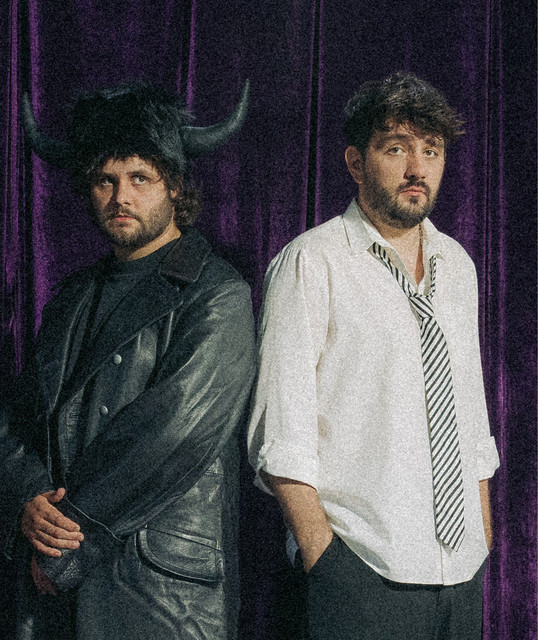
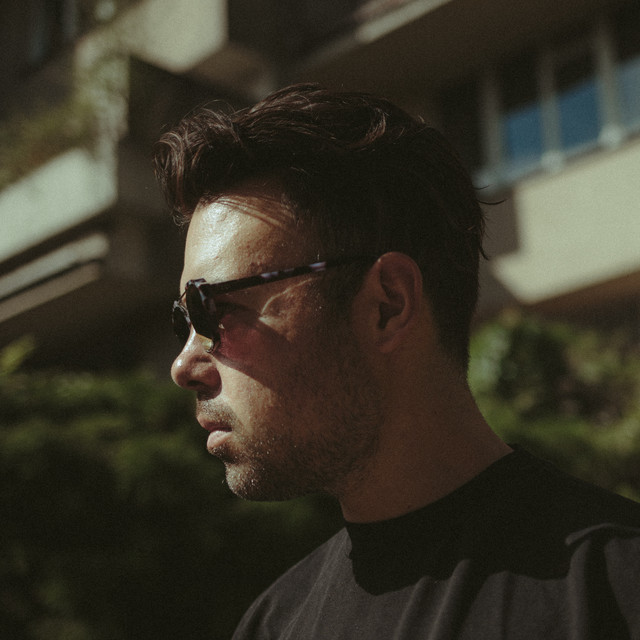
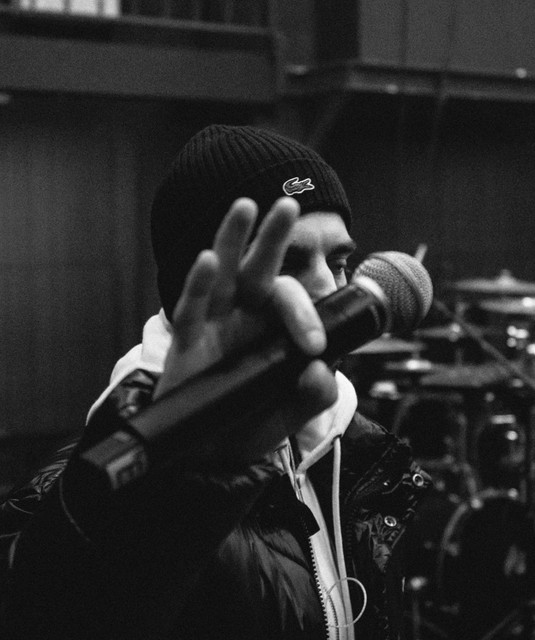
Among the genre’s most recognizable ambassadors are figures who bridged underground credibility with broader appeal. Taco Hemingway and Quebonafide have been especially influential in shaping the modern Polish alternative rap sound, bringing a literate, diary-like lyricism and cinematic production to large audiences. Veteran lyricists such as O.S.T.R. have long anchored the scene with technically precise rapping and jazz-inflected beats, providing a link between the earlier Polish boom-bap era and current experimental currents. Pro8l3m, a duo noted for their moody, otherworldly atmospheres and evasive storytelling, helped push the boundaries of what Polish rap could sound like. Other important voices—KęKę, Paluch, and others—also contributed to a spectrum within the umbrella of “alternative,” from introspective confessionals to socially aware storytelling, ensuring the scene remains diverse and dynamic.
Geographically, Polish alternative rap is most popular in Poland, where it resonates with a demographic hungry for depth, nuance, and a distinctly Polish sensibility. It also finds audiences in other countries with significant Polish-speaking communities, such as Germany and the United Kingdom, and among international listeners who stream Polish-language music on platforms that prioritize niche genres. The global listening public has grown through collaborations, remixes, and music videos that travel beyond borders, allowing non-Polish audiences to encounter a sound that is at once local and cosmopolitan.
For music enthusiasts, the genre offers a compelling counterpoint to polished mainstream rap: a space where language, texture, and mood take center stage and where artists continually experiment with form. Polish alternative rap invites listeners into intimate clubs, quiet rooms, and late-night soundscapes, rewarding patience and curiosity with a rich catalog of records that reward repeated, careful listening.
What sets Polish alternative rap apart is its sonic and thematic versatility. Beats often mingle smoky samples, dusty grooves, and sparse, effect-laden electronics, creating a window into urban life, social commentary, and personal memory. Lyrics frequently tackle identity, language, memory, and alienation, with storytellers weaving personal anecdotes into broader social observations. The genre is marked by a preference for subtler hooks and refrains, longer groove-driven tracks, and a tendency toward concept albums or cohesive, thematically linked bodies of work. This approach rewards attentive listening and rewards fans who return to a record to catch new details in the production and wordplay.
Among the genre’s most recognizable ambassadors are figures who bridged underground credibility with broader appeal. Taco Hemingway and Quebonafide have been especially influential in shaping the modern Polish alternative rap sound, bringing a literate, diary-like lyricism and cinematic production to large audiences. Veteran lyricists such as O.S.T.R. have long anchored the scene with technically precise rapping and jazz-inflected beats, providing a link between the earlier Polish boom-bap era and current experimental currents. Pro8l3m, a duo noted for their moody, otherworldly atmospheres and evasive storytelling, helped push the boundaries of what Polish rap could sound like. Other important voices—KęKę, Paluch, and others—also contributed to a spectrum within the umbrella of “alternative,” from introspective confessionals to socially aware storytelling, ensuring the scene remains diverse and dynamic.
Geographically, Polish alternative rap is most popular in Poland, where it resonates with a demographic hungry for depth, nuance, and a distinctly Polish sensibility. It also finds audiences in other countries with significant Polish-speaking communities, such as Germany and the United Kingdom, and among international listeners who stream Polish-language music on platforms that prioritize niche genres. The global listening public has grown through collaborations, remixes, and music videos that travel beyond borders, allowing non-Polish audiences to encounter a sound that is at once local and cosmopolitan.
For music enthusiasts, the genre offers a compelling counterpoint to polished mainstream rap: a space where language, texture, and mood take center stage and where artists continually experiment with form. Polish alternative rap invites listeners into intimate clubs, quiet rooms, and late-night soundscapes, rewarding patience and curiosity with a rich catalog of records that reward repeated, careful listening.