Genre
polish experimental electronic
Top Polish experimental electronic Artists
Showing 13 of 13 artists






About Polish experimental electronic
Polish experimental electronic is a distinct branch of the broader European avant‑garde, where the immediacy of live electronics meets patient sound design, field recordings, and sometimes elements of Polish folk or industrial textures. It is not a single sound, but a family of approaches that values risk, texture, and the unexpected. The result is music that rewards patient listening, inviting you to trace the microscopic shifts in timbre, space, and process.
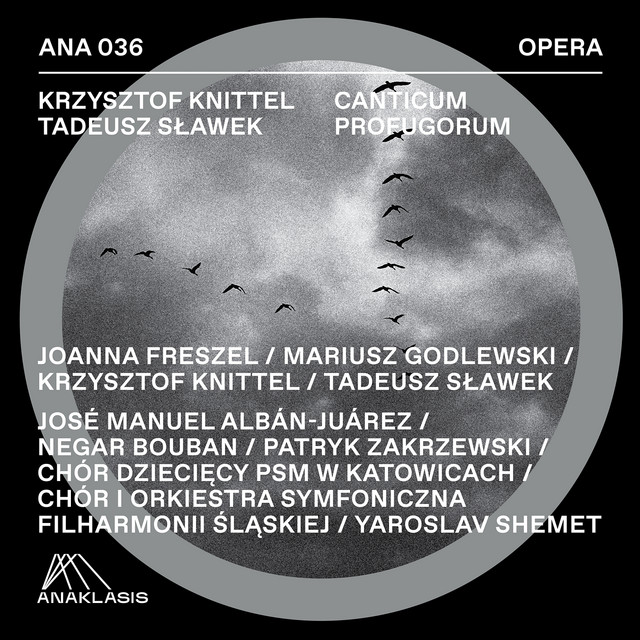
The genre’s roots are late 1960s and 1970s countercultural currents in Poland, when composers began to experiment with tape, oscillators, and live electronics within state‑supported avant‑garde programs. Pioneers like Krzysztof Knittel and Elżbieta Sikora helped lay the groundwork for a Polish tradition of electroacoustic and experimental composition, blending rigorous technique with an openness to chance and environment. This early generation set a template: music that looks inward at machines and memory, while still engaging with broader European currents in Musique Concrète and post‑industrial sound.
In contemporary practice, Polish experimental electronic thrives in a network of studios, festivals, and independent labels that prize curiosity and cross‑disciplinary collaboration. Modern ambassadors such as Michał Jacaszek—an artist renowned for combining electroacoustic textures with chamber instruments, piano preparations, and lush ambient cadences—have helped bring Polish experimentation to international audiences. His releases and live sets exemplify a trend in which precision electronic soundscapes meet intimate, almost tactile sonic worlds. Alongside him, a broader generation continues to push boundaries, often collaborating with filmmakers, visual artists, or contemporary dancers, and drawing on Poland’s rich acoustic heritage without letting it dictate form.
Poland remains the heart of this scene, but its influence radiates outward. European audiences in particular have embraced the genre, thanks in part to the country’s vibrant festival ecosystem. Unsound Kraków, founded in the early 2000s, has become a landmark event that situates Polish and global experimental music in dialogue, presenting artists who tilt toward danger, nuance, and rupture. Audioriver, held in Plock since the mid‑2000s, offers a similar platform for immersive, immersive‑length performances and club‑adjacent sound experiences. Beyond festivals, small labels and artist collectives across Warsaw, Kraków, Wrocław, and Łódź consistently release what feels like a stubbornly original Polish voice within the broader electronic continuum.
What makes the Polish version of experimental electronic distinctive is its willingness to interrogate the instrument as sometimes-animal, sometimes‑machine collaborator. Expect granular textures, drone‑based scaffolding, concrete sounds from urban and rural environments, and a preference for spacious, almost cinematic sound worlds. It rewards attentive listening: you follow the evolution of a sound through its digital or tape‑like artifacts, and you notice how the music breathes, mutates, and redefines its own boundaries.
If you’re a music enthusiast, Polish experimental electronic offers a generous archive of listening habits: from archival pioneers to contemporary practitioners who blend algorithmic processes with human touch, from intimate solo works to large‑scale collaborations. It’s a scene that invites you to listen closely, then listen again, finding new mood, texture, and meaning with every pass.
The genre’s roots are late 1960s and 1970s countercultural currents in Poland, when composers began to experiment with tape, oscillators, and live electronics within state‑supported avant‑garde programs. Pioneers like Krzysztof Knittel and Elżbieta Sikora helped lay the groundwork for a Polish tradition of electroacoustic and experimental composition, blending rigorous technique with an openness to chance and environment. This early generation set a template: music that looks inward at machines and memory, while still engaging with broader European currents in Musique Concrète and post‑industrial sound.
In contemporary practice, Polish experimental electronic thrives in a network of studios, festivals, and independent labels that prize curiosity and cross‑disciplinary collaboration. Modern ambassadors such as Michał Jacaszek—an artist renowned for combining electroacoustic textures with chamber instruments, piano preparations, and lush ambient cadences—have helped bring Polish experimentation to international audiences. His releases and live sets exemplify a trend in which precision electronic soundscapes meet intimate, almost tactile sonic worlds. Alongside him, a broader generation continues to push boundaries, often collaborating with filmmakers, visual artists, or contemporary dancers, and drawing on Poland’s rich acoustic heritage without letting it dictate form.
Poland remains the heart of this scene, but its influence radiates outward. European audiences in particular have embraced the genre, thanks in part to the country’s vibrant festival ecosystem. Unsound Kraków, founded in the early 2000s, has become a landmark event that situates Polish and global experimental music in dialogue, presenting artists who tilt toward danger, nuance, and rupture. Audioriver, held in Plock since the mid‑2000s, offers a similar platform for immersive, immersive‑length performances and club‑adjacent sound experiences. Beyond festivals, small labels and artist collectives across Warsaw, Kraków, Wrocław, and Łódź consistently release what feels like a stubbornly original Polish voice within the broader electronic continuum.
What makes the Polish version of experimental electronic distinctive is its willingness to interrogate the instrument as sometimes-animal, sometimes‑machine collaborator. Expect granular textures, drone‑based scaffolding, concrete sounds from urban and rural environments, and a preference for spacious, almost cinematic sound worlds. It rewards attentive listening: you follow the evolution of a sound through its digital or tape‑like artifacts, and you notice how the music breathes, mutates, and redefines its own boundaries.
If you’re a music enthusiast, Polish experimental electronic offers a generous archive of listening habits: from archival pioneers to contemporary practitioners who blend algorithmic processes with human touch, from intimate solo works to large‑scale collaborations. It’s a scene that invites you to listen closely, then listen again, finding new mood, texture, and meaning with every pass.