Genre
polish indie
Top Polish indie Artists
Showing 25 of 57 artists









About Polish indie
Polish indie is best understood as a living, evolving scene that grew out of Poland’s post-1989 search for global connection and artistic independence. It isn’t a rigid genre so much as a umbrella for bands and artists who fuse guitar-driven rock, melodic pop, folk textures, and electronic touches with a distinctly Polish sensibility. Born in the late 1990s and blossoming through the 2000s, it emerged alongside Poland’s wider cultural reawakening: a generation fed by new media, DIY ethics, and the opening of international markets, yet writing in Polish about local life, longing, and urban landscapes.
Historically, the Polish indie story has its archetypes. Myslovitz, formed in 1992, is often cited as a founding pillar of the scene: a band that balanced introspective lyrics with expansive, often atmospheric guitar work, helping to shape the Polish alternative sound that surrounding acts would echo. Another defining ambassador is Hey, the ultra-popular alt-rock quartet led by Katarzyna Nosowska. Since the mid-1990s they cultivated a wide audience with sharp melodies and fearless lyrical wit, proving that Polish indie could be both artistically serious and commercially compelling. These acts showed that Polish indie could stand alongside Western counterparts while staying unmistakably Polish in mood and language.
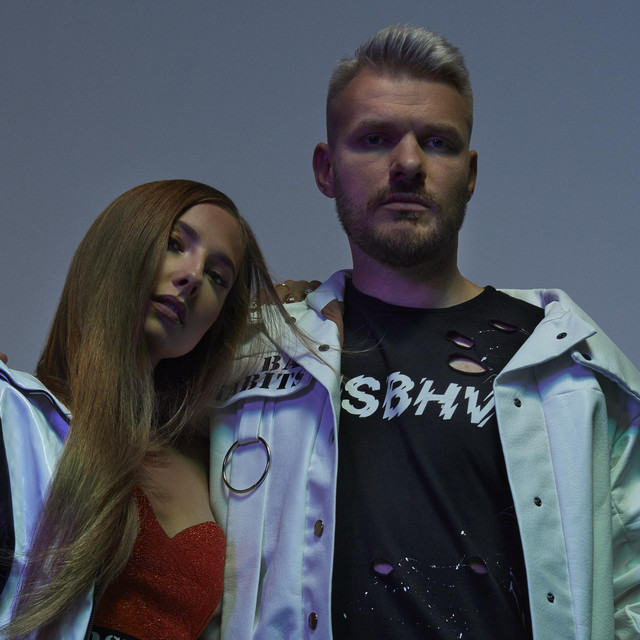
From the 2000s onward, the movement diversified. Lao Che helped push indie toward concept-driven and folk-inflected textures, while bands such as Muchy, and later groups like The Dumplings, Kortez, and Kwiat Jabłoni, broadened the palette to include delicate indie pop, intimate folk, and synth-driven sounds. The Dumplings—Justyna Święs and Kuba Karaś—brought a modern, radio-friendly sensibility to the scene, helping Polish indie reach younger audiences through catchy hooks and intimate storytelling. Kortez and Kwiat Jabłoni became emblematic of the current wave: artists who combine Polish lyricism with cinematic melodies, earning devoted followings across Poland and beyond.
Today, Polish indie thrives in clubs, basements, and festival stages. Off Festival Kraków—founded in 2006 and now a fixture of the European circuit—has been a crucial platform, pairing established Polish acts with adventurous international guests and helping breakout Polish talent cross borders. The ecosystem also thrives on vibrant indie labels, artist collectives, and a steady stream of homegrown videos and streaming playlists that reach Polish audiences abroad and in neighboring Central European markets.
In terms of sound, Polish indie is marked by melodic craftsmanship and a willingness to blend textures: jangly guitars and swooning choruses sit alongside intimate vocal storytelling, electronic atmospheres, and sometimes folk-inflected acoustic work. Lyrically, Polish language and sensibility anchor much of the scene, delivering a warmth and wryness that resonates with listeners who prize depth, nuance, and a sense of place.
Where is it most popular? Primarily in Poland, where it has a durable cultural footprint and a robust live scene. It also finds listeners in neighboring Central European countries and among the Polish diaspora in the UK, Ireland, and the United States. As streaming continues to redefine discovery, Polish indie keeps growing—absorbing global influences while staying true to its language and sense of home. For the avid listener, it’s a scene that rewards attentive listening, live energy, and a connection to a distinct, evolving Polish musical voice.
Historically, the Polish indie story has its archetypes. Myslovitz, formed in 1992, is often cited as a founding pillar of the scene: a band that balanced introspective lyrics with expansive, often atmospheric guitar work, helping to shape the Polish alternative sound that surrounding acts would echo. Another defining ambassador is Hey, the ultra-popular alt-rock quartet led by Katarzyna Nosowska. Since the mid-1990s they cultivated a wide audience with sharp melodies and fearless lyrical wit, proving that Polish indie could be both artistically serious and commercially compelling. These acts showed that Polish indie could stand alongside Western counterparts while staying unmistakably Polish in mood and language.
From the 2000s onward, the movement diversified. Lao Che helped push indie toward concept-driven and folk-inflected textures, while bands such as Muchy, and later groups like The Dumplings, Kortez, and Kwiat Jabłoni, broadened the palette to include delicate indie pop, intimate folk, and synth-driven sounds. The Dumplings—Justyna Święs and Kuba Karaś—brought a modern, radio-friendly sensibility to the scene, helping Polish indie reach younger audiences through catchy hooks and intimate storytelling. Kortez and Kwiat Jabłoni became emblematic of the current wave: artists who combine Polish lyricism with cinematic melodies, earning devoted followings across Poland and beyond.
Today, Polish indie thrives in clubs, basements, and festival stages. Off Festival Kraków—founded in 2006 and now a fixture of the European circuit—has been a crucial platform, pairing established Polish acts with adventurous international guests and helping breakout Polish talent cross borders. The ecosystem also thrives on vibrant indie labels, artist collectives, and a steady stream of homegrown videos and streaming playlists that reach Polish audiences abroad and in neighboring Central European markets.
In terms of sound, Polish indie is marked by melodic craftsmanship and a willingness to blend textures: jangly guitars and swooning choruses sit alongside intimate vocal storytelling, electronic atmospheres, and sometimes folk-inflected acoustic work. Lyrically, Polish language and sensibility anchor much of the scene, delivering a warmth and wryness that resonates with listeners who prize depth, nuance, and a sense of place.
Where is it most popular? Primarily in Poland, where it has a durable cultural footprint and a robust live scene. It also finds listeners in neighboring Central European countries and among the Polish diaspora in the UK, Ireland, and the United States. As streaming continues to redefine discovery, Polish indie keeps growing—absorbing global influences while staying true to its language and sense of home. For the avid listener, it’s a scene that rewards attentive listening, live energy, and a connection to a distinct, evolving Polish musical voice.