Genre
polish punk
Top Polish punk Artists
Showing 25 of 28 artists











About Polish punk
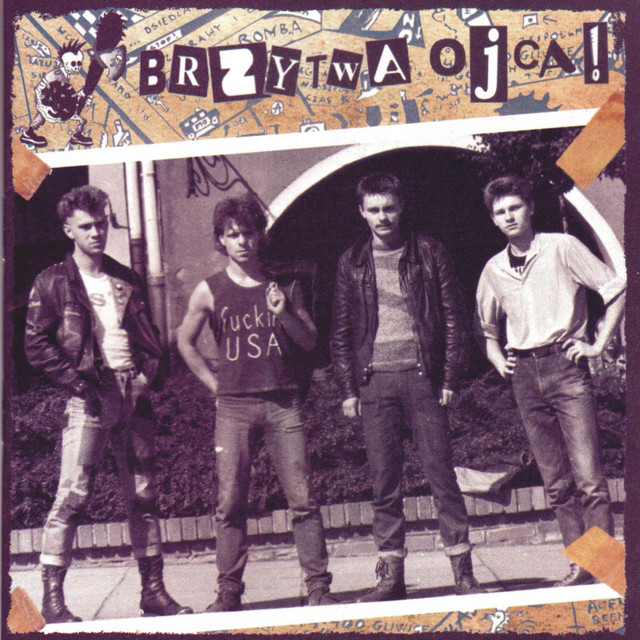
Polish punk is a fiercely energetic offspring of the global punk movement, born under one of Europe’s most restrictive political climates and blossoming into a stubborn, DIY-driven culture. Emerging in the late 1970s and early 1980s, it grew from basement shows, independent zines, and tape-trading networks that circumvented censorship. By the time the Solidarity movement shook Poland in the early 1980s, Polish punk had found a voice ready to express disillusion, protest, and resilience. Cities such as Poznań, Wrocław, Szczecin, Kraków, and Warsaw became hotbeds of intensity, while the annual Jarocin Festival offered a rare platform for underground acts to reach a larger audience and helped propel the scene beyond local circuits.
The sound of Polish punk is characteristically direct: brisk tempos, catchy yet abrasive riffs, shouted or snarling vocals, and lyrics that confront oppression, social inequality, and the absurdities of life under censorship. Early bands often fused punk with post-punk sensibilities, creating a sound that could be urgent and political one moment, dark and atmospheric the next. As the 1980s progressed, some outfits leaned into hardcore aggression, while others absorbed elements of new wave and ska, always with a distinctly Polish voice and sense of realism. The movement’s underground infrastructure—indie labels, self-produced records, and independent venues—became as important as the music itself, shaping a culture rooted in autonomy and collective action.
Key artists and ambassadors of Polish punk helped define its legacy and continued to influence generations of musicians. Among the most emblematic:
- Dezerter — perhaps the most enduring symbol of Polish punk, known for uncompromising lyrics and a stubborn independence that kept the band performing and releasing despite political hurdles.
- Brygada Kryzys — an early post-punk/experimental phase whose music bridged punk with more literate, avant-garde influences, playing a crucial transitional role in the scene.
- Siekiera — one of the earliest Polish bands to fuse punk energy with a more aggressive, raw edge, helping to broaden the scale and attitude of the movement.
- Kult — while often described as post-punk and alternative rock, Kult’s roots in the Polish underground and their continued popular appeal mark them as essential ambassadors who helped bring the spirit of punk into broader cultural consciousness.
- The Analogs — a later generation from Szczecin, their street-punk and hardcore-tinged sound carried the flame into the 1990s and beyond, influencing a new wave of DIY bands.
- Armia and other early figures — bands that pushed the boundaries of the sound, combining punk with metal, folk, or experimental approaches, reflecting the diversity within Polish punk.
Polish punk today remains deeply rooted in Poland but has resonances across Central and Eastern Europe and among Polish diasporas in Western Europe and North America. Its vitality endures in small clubs, basement shows, independent labels, and zine culture, where new bands continue to carry the legacy of uncompromising energy and social critique. The genre’s history—born from resistance, forged in communal spaces, and sustained by a stubborn ethos of self-reliance—continues to inspire enthusiasts who seek music with urgency, sincerity, and a sense that art can challenge the status quo.
The sound of Polish punk is characteristically direct: brisk tempos, catchy yet abrasive riffs, shouted or snarling vocals, and lyrics that confront oppression, social inequality, and the absurdities of life under censorship. Early bands often fused punk with post-punk sensibilities, creating a sound that could be urgent and political one moment, dark and atmospheric the next. As the 1980s progressed, some outfits leaned into hardcore aggression, while others absorbed elements of new wave and ska, always with a distinctly Polish voice and sense of realism. The movement’s underground infrastructure—indie labels, self-produced records, and independent venues—became as important as the music itself, shaping a culture rooted in autonomy and collective action.
Key artists and ambassadors of Polish punk helped define its legacy and continued to influence generations of musicians. Among the most emblematic:
- Dezerter — perhaps the most enduring symbol of Polish punk, known for uncompromising lyrics and a stubborn independence that kept the band performing and releasing despite political hurdles.
- Brygada Kryzys — an early post-punk/experimental phase whose music bridged punk with more literate, avant-garde influences, playing a crucial transitional role in the scene.
- Siekiera — one of the earliest Polish bands to fuse punk energy with a more aggressive, raw edge, helping to broaden the scale and attitude of the movement.
- Kult — while often described as post-punk and alternative rock, Kult’s roots in the Polish underground and their continued popular appeal mark them as essential ambassadors who helped bring the spirit of punk into broader cultural consciousness.
- The Analogs — a later generation from Szczecin, their street-punk and hardcore-tinged sound carried the flame into the 1990s and beyond, influencing a new wave of DIY bands.
- Armia and other early figures — bands that pushed the boundaries of the sound, combining punk with metal, folk, or experimental approaches, reflecting the diversity within Polish punk.
Polish punk today remains deeply rooted in Poland but has resonances across Central and Eastern Europe and among Polish diasporas in Western Europe and North America. Its vitality endures in small clubs, basement shows, independent labels, and zine culture, where new bands continue to carry the legacy of uncompromising energy and social critique. The genre’s history—born from resistance, forged in communal spaces, and sustained by a stubborn ethos of self-reliance—continues to inspire enthusiasts who seek music with urgency, sincerity, and a sense that art can challenge the status quo.