Genre
polka
Top Polka Artists
Showing 25 of 3,789 artists






About Polka
Polka is a buoyant, dance-driven branch of folk music that has grown into a worldwide rhythm cult for enthusiasts. Characterized by a brisk 2/4 pulse, its tempo typically sits in the lively range of roughly 120 to 160 BPM, inviting a quick, hopping step and a sense of communal celebration. The genre is built on a tight, economical melodic line and a driving, repetitive bass/ chord pattern—often described as a strong “oom-pah” foundation—yet it wears its own distinct, improvisatory spirit in the lead melodies and instrumental color.
The birth of polka is anchored in Central Europe, with Bohemia in the Czech lands most often cited as the cradle. The 1830s saw a confluence of rural dance tradition and urban street music, where peasants and young musicians fused folk steps with newly popular dance tunes. The exact origin of the term polka remains a matter of playful debate, but the music that bears the name crystallized there, quickly leaping across borders with the help of migration, printing presses, and brass-and-pressing wind bands. Within a few decades, polka had become a pan-European phenomenon, sprouting regional flavors—Czech, Polish, German, Austrian, and others—while preserving a shared, infectious energy.
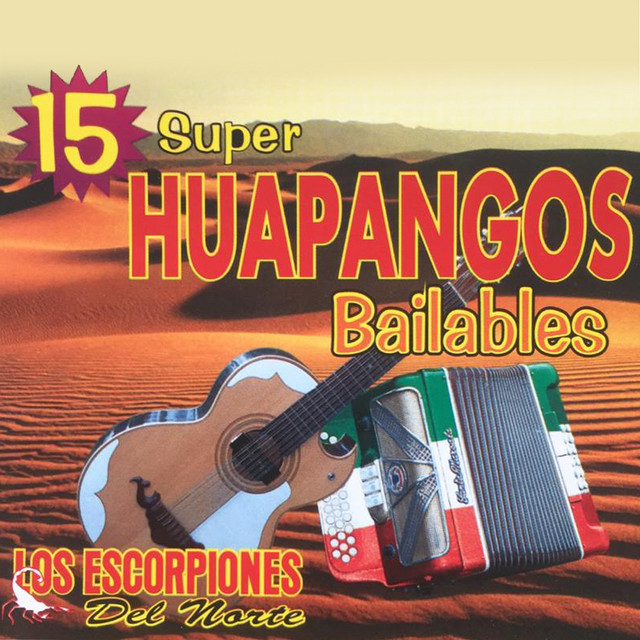
In performance, the accordion is the genre’s emblematic voice, often joined by fiddles, clarinets, trumpets, and a sturdy rhythm section that may include bass, tuba, or guitar. The soundscape can range from intimate, folk-club ensembles to full, sweepingly orchestral arrangements. The form prizes clarity and snap: short, memorable phrases that propel dancers forward, with ornamentation and solo bursts that showcase virtuosity without sacrificing a communal, danceable core.
Polka’s diffusion is a story of migration and cultural exchange. It moved along the Danube corridor, into German-speaking Alpine regions, into Polish and Czech diasporas, and westward into the United States and Canada, where it found a thriving home in immigrant communities. In the Midwest of the United States—places like Wisconsin, Illinois, and Ohio—polka became a cultural mainstay, carried by Czech and Polish Americans and reinforced by German-American bands. In Canada, the genre flourished within Polish and Czech communities, and notable artists helped tilt it toward national audiences. Today, polka persists in festivals, clubs, radio programs, and niche recordings across Europe, the Americas, and beyond.
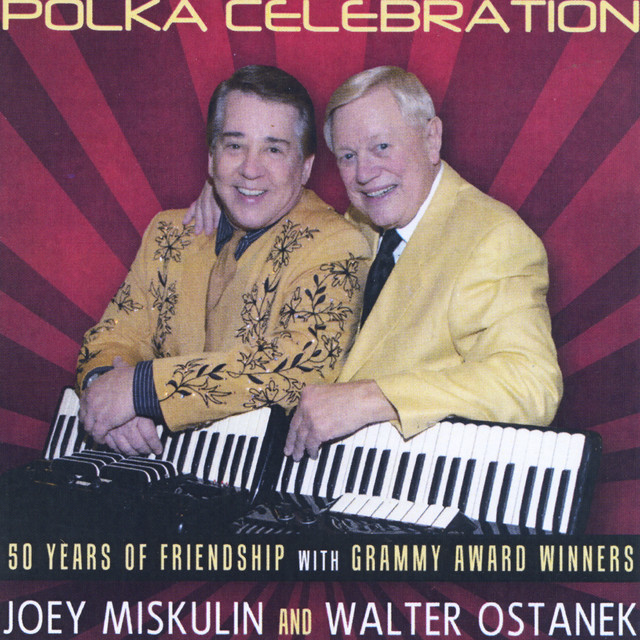
Among the genre’s most enduring ambassadors are several household names who helped polka transcend regional boundaries. Frankie Yankovic, known as “America’s Polka King,” brought a polished, radio-friendly polish to American audiences in the 20th century. Myron Floren, the accordion virtuoso on the Lawrence Welk television program, familiarized polka with a broad TV audience and helped situate it within popular American culture. In Canada, Walter Ostanek—often celebrated as the “Polka King of Canada”—carried the tradition with a steady, unmistakable brass-and-accordion sound across tours and records.
For enthusiasts, polka is not merely a dance music of past eras; it’s a living, adaptable language of rhythm and joy. Its historical roots, regional flavors, and continued vitality invite listeners to hear how a simple two-beat pulse can spark tradition, innovation, and communal celebration across generations and borders.
The birth of polka is anchored in Central Europe, with Bohemia in the Czech lands most often cited as the cradle. The 1830s saw a confluence of rural dance tradition and urban street music, where peasants and young musicians fused folk steps with newly popular dance tunes. The exact origin of the term polka remains a matter of playful debate, but the music that bears the name crystallized there, quickly leaping across borders with the help of migration, printing presses, and brass-and-pressing wind bands. Within a few decades, polka had become a pan-European phenomenon, sprouting regional flavors—Czech, Polish, German, Austrian, and others—while preserving a shared, infectious energy.
In performance, the accordion is the genre’s emblematic voice, often joined by fiddles, clarinets, trumpets, and a sturdy rhythm section that may include bass, tuba, or guitar. The soundscape can range from intimate, folk-club ensembles to full, sweepingly orchestral arrangements. The form prizes clarity and snap: short, memorable phrases that propel dancers forward, with ornamentation and solo bursts that showcase virtuosity without sacrificing a communal, danceable core.
Polka’s diffusion is a story of migration and cultural exchange. It moved along the Danube corridor, into German-speaking Alpine regions, into Polish and Czech diasporas, and westward into the United States and Canada, where it found a thriving home in immigrant communities. In the Midwest of the United States—places like Wisconsin, Illinois, and Ohio—polka became a cultural mainstay, carried by Czech and Polish Americans and reinforced by German-American bands. In Canada, the genre flourished within Polish and Czech communities, and notable artists helped tilt it toward national audiences. Today, polka persists in festivals, clubs, radio programs, and niche recordings across Europe, the Americas, and beyond.
Among the genre’s most enduring ambassadors are several household names who helped polka transcend regional boundaries. Frankie Yankovic, known as “America’s Polka King,” brought a polished, radio-friendly polish to American audiences in the 20th century. Myron Floren, the accordion virtuoso on the Lawrence Welk television program, familiarized polka with a broad TV audience and helped situate it within popular American culture. In Canada, Walter Ostanek—often celebrated as the “Polka King of Canada”—carried the tradition with a steady, unmistakable brass-and-accordion sound across tours and records.
For enthusiasts, polka is not merely a dance music of past eras; it’s a living, adaptable language of rhythm and joy. Its historical roots, regional flavors, and continued vitality invite listeners to hear how a simple two-beat pulse can spark tradition, innovation, and communal celebration across generations and borders.