Genre
pop cristiano
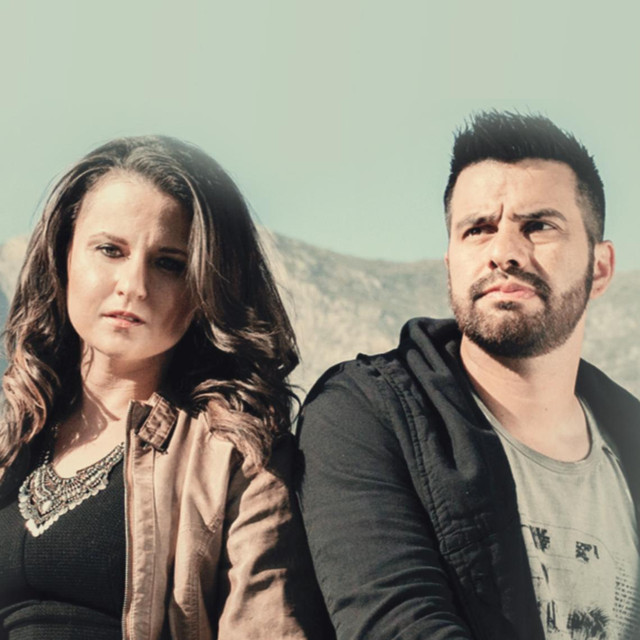
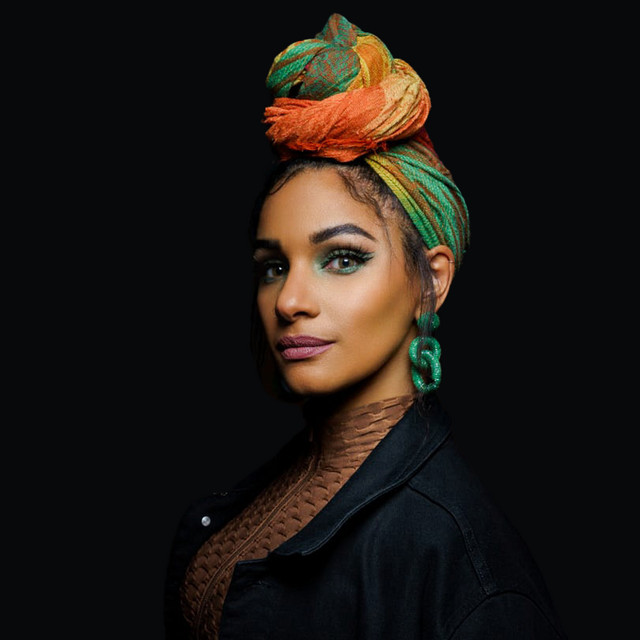
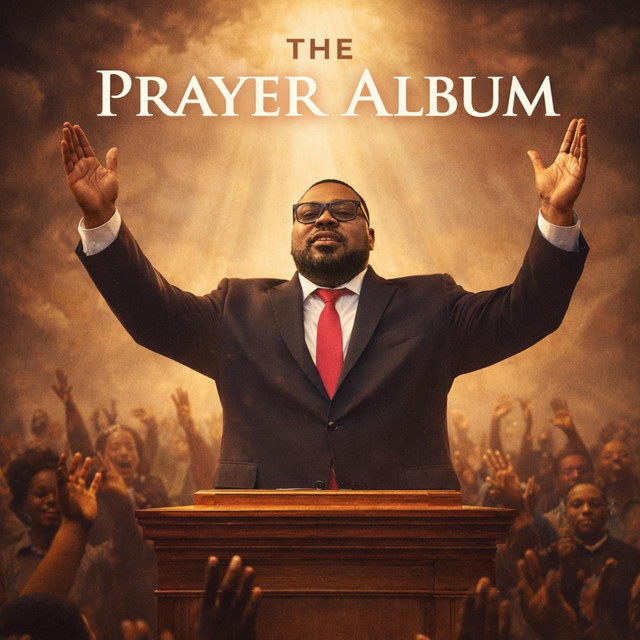
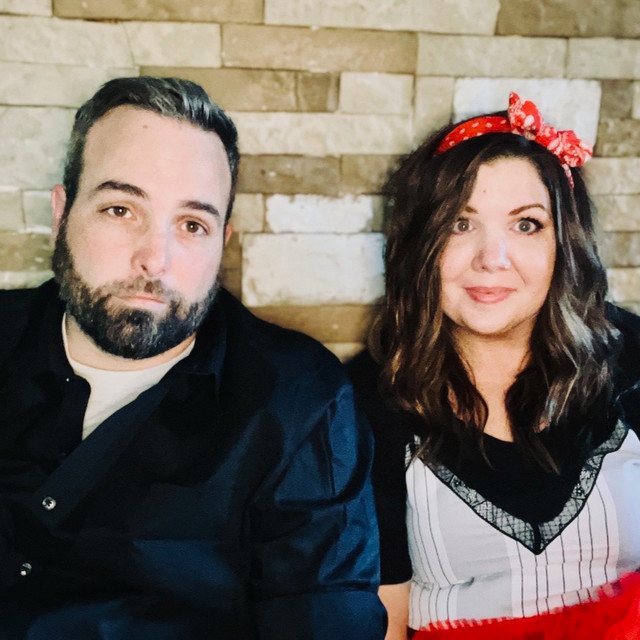
Top Pop cristiano Artists
Showing 25 of 70 artists












About Pop cristiano
Pop cristiano, or Christian pop, is a subgenre that sits at the intersection of faith-driven lyricism and radio-friendly contemporary pop production. It’s not just worship music dressed in catchy hooks; it’s a form that seeks to reach broad audiences with accessible melodies while carrying explicit messages of faith, hope, and personal testimony. The result is music that can function as a personal listening experience, a worship set, or a bridge to pop culture for listeners who crave spiritually oriented content.
Origins and birth
Pop cristiano grew out of the broader Contemporary Christian Music (CCM) movement that began to take shape in the late 1960s and 1970s in the United States, amid the Jesus Movement. Early CCM artists experimented with folk, rock, and pop structures, aiming for sounds that could compete on secular radio while delivering Christian messages. By the 1980s, the CCM industry standardized a more polished, radio-ready pop aesthetic. In many Portuguese- and Spanish-speaking markets, the genre adopted the label pop cristiano, becoming a distinct channel for worship, praise, and testimony that spoke the language and rhythms of local listeners.
Sound, form, and themes
Pop cristiano embraces the verse-chorus structure, memorable melodies, and glossy production typical of mainstream pop, but it centers lyrics about God, Jesus, prayer, and spiritual growth. Arrangements often blend electric guitars, synth textures, piano, and drum loops with contemporary influences such as R&B, electronic pop, or light rock. Thematically, you’ll find worship-oriented anthems, personal testimonies of transformation, social justice reflections, and prayers set to catchy refrains. In live settings, the genre thrives on energy, sing-along choruses, and moment of communal participation.
Global reach and popularity
The genre is particularly strong in the Americas and parts of Europe, with Brazil standing out as a major hub in the Portuguese-speaking world. In addition to Brazil, pop cristiano has substantial scenes in Portugal and Spain, and Spanish-speaking Latin American countries (Mexico, Colombia, Argentina, Chile, Peru) maintain vibrant CCM outputs in Spanish. African Lusophone markets such as Angola and Mozambique also contribute to the Portuguese-language branch of pop cristiano. Beyond language borders, the sound has influenced worship music ecosystems worldwide, especially through global acts whose worship anthems cross linguistic lines.
Key artists and ambassadors
- Pioneers and early influencers: Amy Grant, Michael W. Smith, and dc Talk helped define pop-friendly CCM sounds in the U.S. in the 1980s–1990s.
- Global worship and pop crossover: Hillsong United/Hillsong Worship (Australia) and Casting Crowns (USA) have become model “ambassadors” for how pop cristiano can function in large venues and streaming platforms.
- Contemporary crossover and vocal pop: Lauren Daigle, Chris Tomlin, and similar artists have broadened the genre’s reach with mainstream-friendly melodies that still carry explicit faith content.
- Portuguese-language scene: Diante do Trono (Brazil) is a landmark worship collective; artists like Aline Barros, Fernanda Brum, and Kleber Lucas have helped shape the Brazilian pop cristiano landscape with prolific releases and devotion-driven tours.
Listening suggestions
- Western pop cristiano: Lauren Daigle’s You Say; Hillsong United’s Oceans (Where Feet May Fail); Amy Grant’s Baby Baby.
- Brazilian/Portuguese-language: Diante do Trono’s Quero Te Encontrar; Aline Barros’s Tua Palavra; Fernanda Brum’s Cantarei.
In sum, pop cristiano combines contemporary pop sensibilities with accessible, faith-centered lyrics, making it a versatile genre for devoted listeners and curious newcomers alike. It continues to evolve as artists experiment with production trends while maintaining a clear sense of purpose and message.
Origins and birth
Pop cristiano grew out of the broader Contemporary Christian Music (CCM) movement that began to take shape in the late 1960s and 1970s in the United States, amid the Jesus Movement. Early CCM artists experimented with folk, rock, and pop structures, aiming for sounds that could compete on secular radio while delivering Christian messages. By the 1980s, the CCM industry standardized a more polished, radio-ready pop aesthetic. In many Portuguese- and Spanish-speaking markets, the genre adopted the label pop cristiano, becoming a distinct channel for worship, praise, and testimony that spoke the language and rhythms of local listeners.
Sound, form, and themes
Pop cristiano embraces the verse-chorus structure, memorable melodies, and glossy production typical of mainstream pop, but it centers lyrics about God, Jesus, prayer, and spiritual growth. Arrangements often blend electric guitars, synth textures, piano, and drum loops with contemporary influences such as R&B, electronic pop, or light rock. Thematically, you’ll find worship-oriented anthems, personal testimonies of transformation, social justice reflections, and prayers set to catchy refrains. In live settings, the genre thrives on energy, sing-along choruses, and moment of communal participation.
Global reach and popularity
The genre is particularly strong in the Americas and parts of Europe, with Brazil standing out as a major hub in the Portuguese-speaking world. In addition to Brazil, pop cristiano has substantial scenes in Portugal and Spain, and Spanish-speaking Latin American countries (Mexico, Colombia, Argentina, Chile, Peru) maintain vibrant CCM outputs in Spanish. African Lusophone markets such as Angola and Mozambique also contribute to the Portuguese-language branch of pop cristiano. Beyond language borders, the sound has influenced worship music ecosystems worldwide, especially through global acts whose worship anthems cross linguistic lines.
Key artists and ambassadors
- Pioneers and early influencers: Amy Grant, Michael W. Smith, and dc Talk helped define pop-friendly CCM sounds in the U.S. in the 1980s–1990s.
- Global worship and pop crossover: Hillsong United/Hillsong Worship (Australia) and Casting Crowns (USA) have become model “ambassadors” for how pop cristiano can function in large venues and streaming platforms.
- Contemporary crossover and vocal pop: Lauren Daigle, Chris Tomlin, and similar artists have broadened the genre’s reach with mainstream-friendly melodies that still carry explicit faith content.
- Portuguese-language scene: Diante do Trono (Brazil) is a landmark worship collective; artists like Aline Barros, Fernanda Brum, and Kleber Lucas have helped shape the Brazilian pop cristiano landscape with prolific releases and devotion-driven tours.
Listening suggestions
- Western pop cristiano: Lauren Daigle’s You Say; Hillsong United’s Oceans (Where Feet May Fail); Amy Grant’s Baby Baby.
- Brazilian/Portuguese-language: Diante do Trono’s Quero Te Encontrar; Aline Barros’s Tua Palavra; Fernanda Brum’s Cantarei.
In sum, pop cristiano combines contemporary pop sensibilities with accessible, faith-centered lyrics, making it a versatile genre for devoted listeners and curious newcomers alike. It continues to evolve as artists experiment with production trends while maintaining a clear sense of purpose and message.