Genre
pop r&b
Top Pop r&b Artists
Showing 25 of 398 artists












About Pop r&b
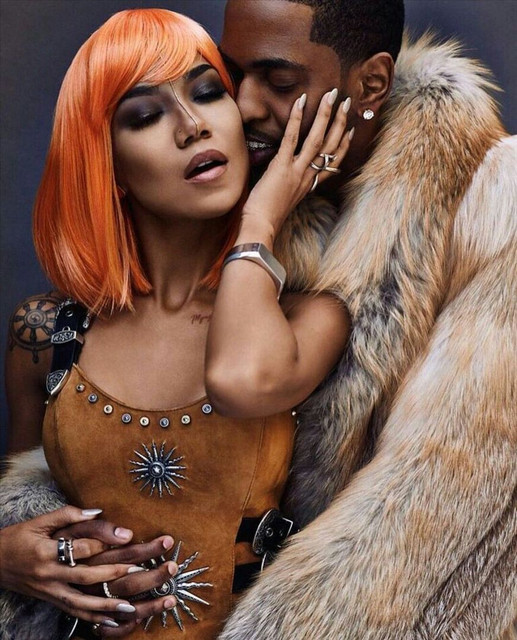
Pop R&B is a glossy, radio-friendly fusion that threads the sensual swing and vocal finesse of contemporary R&B with the sharpened hooks and broad appeal of pop. It’s not a single sound so much as a spectrum: music that moves with infectious grooves, lush melodic lines, polished production, and an emphasis on memorable choruses. The craft often blends soulful vocal timbres, R&B-inflected rhythms, and pop-song structures to reach both the club and the living room playlist. It’s a mainstay of mainstream charts while still carrying the emotional depth and vocal craft that fans associate with R&B.
The roots lie in the late 1980s and 1990s, when R&B began courting pop audiences more aggressively. Urban contemporary, neosoul, and the toothsome production of the era created a bridge between streetwise R&B and mass-market pop. By the turn of the century, artists like Alicia Keys, Usher, and Beyoncé were writing R&B with the clarity and catchiness of pop, while acts such as Madonna, Britney Spears, and Christina Aguilera incorporated more soulful textures into their mainstream hits. The result was a steady cross-pollination: slick, accessible productions that still treated vocal performance as a centerpiece. In the mid-2000s and beyond, this blend became a default mode for many major acts, with pop-friendly singles carrying the emotional weight of R&B.
In the 2000s and 2010s, the genre’s ambassadors became some of pop music’s most influential figures. Beyoncé’s solo work fused gospel-influenced vocal power with contemporary pop and hip-hop textures, delivering both critical acclaim and chart-topping hits. Rihanna built a global empire on a string of pop-R&B anthems that crossed genres and languages. Usher and Ne-Yo helped shape a smoother, more melodic strand of R&B that sounded at home on pop radio. Alicia Keys, with Songs in A Minor and later records, fused piano-driven soul with modern pop aesthetics. More recently, artists like Bruno Mars, Ariana Grande, and SZA have carried the banner, each bringing a distinct flavor of pop-R&B—groove-driven sophistication, lush vocal harmonies, and genre-spanning collaborations.
Geographically, pop R&B has been most prominent in the United States, where it often defines the mainstream landscape. It also finds strong audiences in the United Kingdom, Canada, and Australia, with substantial followings across much of Western Europe and parts of Asia. The genre’s international reach is driven by streaming, cross-cultural collaborations, and language-agnostic hooks that emphasize mood, groove, and vocal appeal. In many markets, it sits at the intersection of R&B’s intimate storytelling and pop’s universal accessibility, making it a versatile platform for artists who want both critical respect and mass appeal.
Key sonic characteristics today include smooth vocal delivery, mid-to-upbeat tempos, shimmering synths, clean 4/4 bass-driven grooves, and chorus-centric song structures. Production often blends R&B’s warmth—guitar or piano textures, subtle gospel influences—with pop’s bright, polished sheen and sometimes hip-hop rhythmic sensibilities. The result is music that can feel woozy and intimate or buoyant and anthemic, but almost always crafted for broad listenership. Pop R&B continues to evolve as artists experiment with new sounds while keeping the essential balance between soulful expression and pop accessibility.
The roots lie in the late 1980s and 1990s, when R&B began courting pop audiences more aggressively. Urban contemporary, neosoul, and the toothsome production of the era created a bridge between streetwise R&B and mass-market pop. By the turn of the century, artists like Alicia Keys, Usher, and Beyoncé were writing R&B with the clarity and catchiness of pop, while acts such as Madonna, Britney Spears, and Christina Aguilera incorporated more soulful textures into their mainstream hits. The result was a steady cross-pollination: slick, accessible productions that still treated vocal performance as a centerpiece. In the mid-2000s and beyond, this blend became a default mode for many major acts, with pop-friendly singles carrying the emotional weight of R&B.
In the 2000s and 2010s, the genre’s ambassadors became some of pop music’s most influential figures. Beyoncé’s solo work fused gospel-influenced vocal power with contemporary pop and hip-hop textures, delivering both critical acclaim and chart-topping hits. Rihanna built a global empire on a string of pop-R&B anthems that crossed genres and languages. Usher and Ne-Yo helped shape a smoother, more melodic strand of R&B that sounded at home on pop radio. Alicia Keys, with Songs in A Minor and later records, fused piano-driven soul with modern pop aesthetics. More recently, artists like Bruno Mars, Ariana Grande, and SZA have carried the banner, each bringing a distinct flavor of pop-R&B—groove-driven sophistication, lush vocal harmonies, and genre-spanning collaborations.
Geographically, pop R&B has been most prominent in the United States, where it often defines the mainstream landscape. It also finds strong audiences in the United Kingdom, Canada, and Australia, with substantial followings across much of Western Europe and parts of Asia. The genre’s international reach is driven by streaming, cross-cultural collaborations, and language-agnostic hooks that emphasize mood, groove, and vocal appeal. In many markets, it sits at the intersection of R&B’s intimate storytelling and pop’s universal accessibility, making it a versatile platform for artists who want both critical respect and mass appeal.
Key sonic characteristics today include smooth vocal delivery, mid-to-upbeat tempos, shimmering synths, clean 4/4 bass-driven grooves, and chorus-centric song structures. Production often blends R&B’s warmth—guitar or piano textures, subtle gospel influences—with pop’s bright, polished sheen and sometimes hip-hop rhythmic sensibilities. The result is music that can feel woozy and intimate or buoyant and anthemic, but almost always crafted for broad listenership. Pop R&B continues to evolve as artists experiment with new sounds while keeping the essential balance between soulful expression and pop accessibility.